
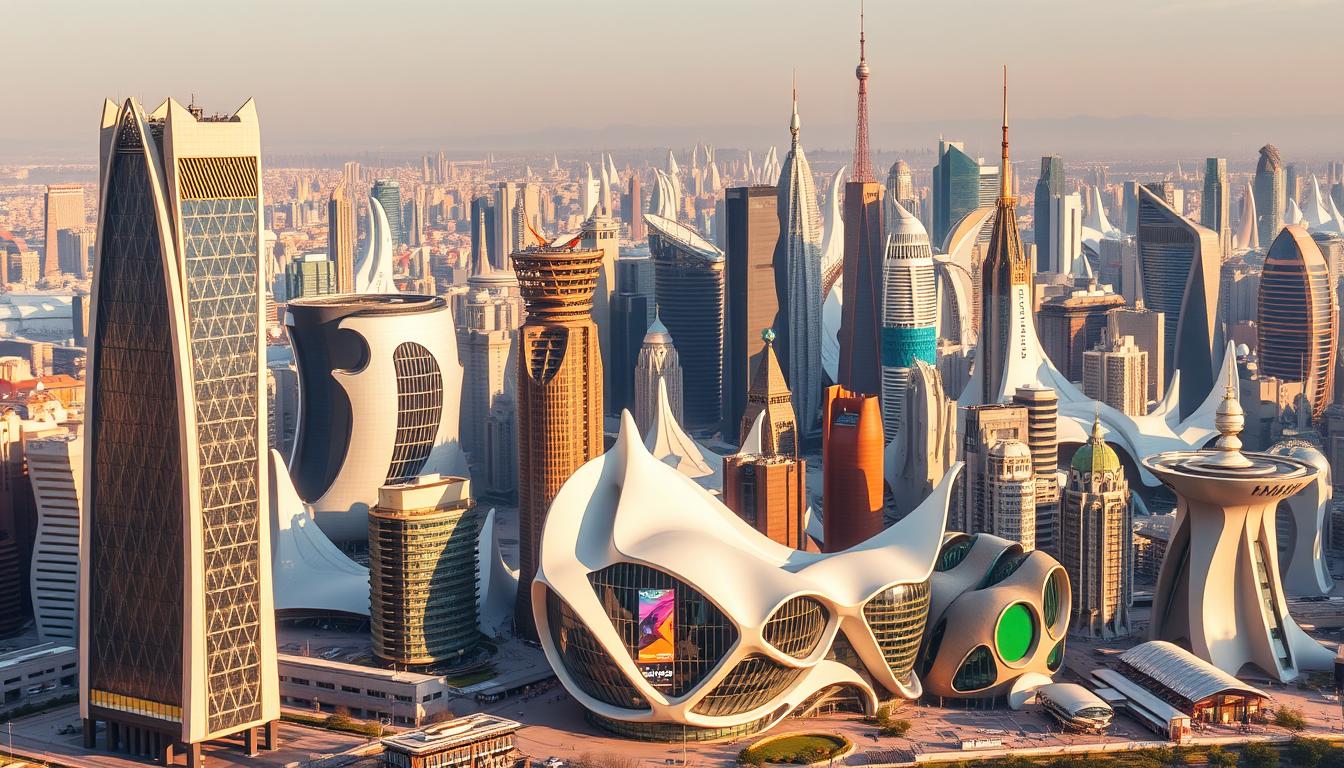
Buildings are more than just structures; they show a place’s culture and history. Unique building designs tell us about the people who built them and when. They reflect the era they were made in.
From ancient monuments to modern marvels, architecture helps us understand the world. The Guggenheim Museum in Bilbao, Spain, and the Lotus Temple in New Delhi, India, are iconic. They are symbols of their cities.
Looking at these unique structures deepens our appreciation for architecture. It also gives us a peek into local culture and history.
The Importance of Unique Architecture
Iconic buildings are landmarks that tell a city’s story. They are not just buildings; they are a city’s history and culture. Unique buildings define a place’s identity and character, important to both locals and tourists.
“Local landmarks are ‘silent witnesses to past eras, kingdoms, and tastes,'” a famous critic said. This shows why we must save iconic architecture for the future. These buildings are beautiful and hold deep historical and cultural value.
The impact of unique architecture on cities is huge. It makes cities more appealing to visitors and businesses. Iconic buildings also symbolize a city’s identity, building community pride.
“Architecture is the learned game, correct and magnificent, of forms assembled in the light.”
In summary, iconic architecture is key to a city’s identity and culture. As cities grow, we must cherish and protect these unique structures. They are valuable for their history, culture, and beauty.
Styles of Architecture Across the World
The world of architecture is filled with many styles, each with its own story. These styles have been shaped by culture, geography, and history.
Architecture has changed a lot over time. For example, Byzantine architecture is famous for the Hagia Sophia in Istanbul, Turkey. Built in the 6th century, it introduced new ideas like the pendentive and massive dome.
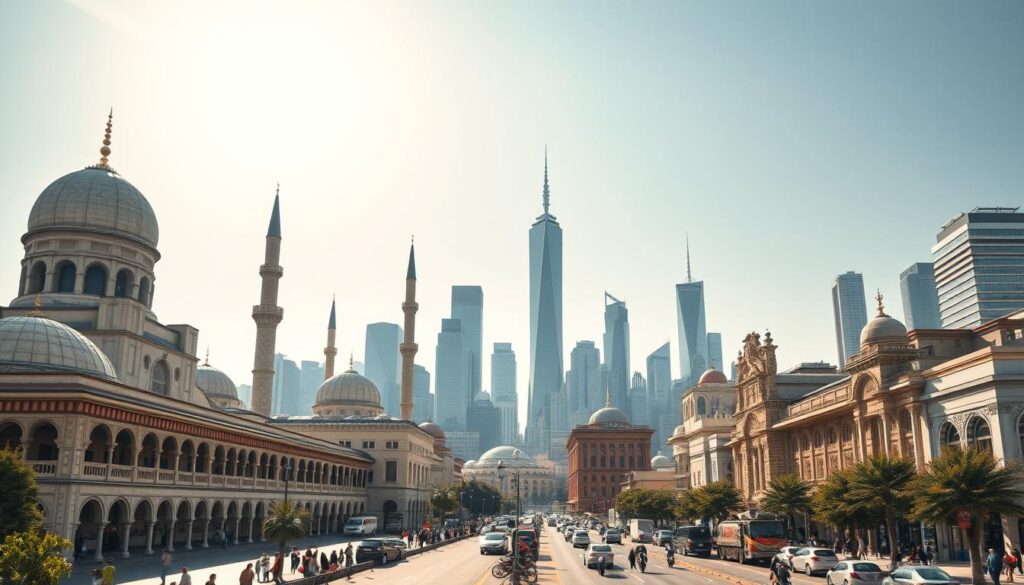
Architectural styles are closely tied to the culture and history of their time. The Taj Mahal is a great example. It shows the mix of Indian, Persian, and Islamic styles, reflecting the Mughal Empire’s diversity.
“Architecture is the learned game, correct and magnificent, of forms assembled in the light.” – Le Corbusier
Modern architecture has been shaped by new technologies and changing needs. The Guggenheim Museum in Bilbao, Spain, by Frank Gehry, is a modern masterpiece. Its unique design has made it a symbol of contemporary architecture.
Learning about architectural styles helps us appreciate these buildings more. It also gives us a glimpse into human history and culture.
Sustainable Architecture Practices
The threat of climate change is growing, making sustainable architecture more urgent than ever. Eco-friendly buildings play a key role in lowering our carbon footprint. They are essential in the fight against environmental challenges.
Eco-friendly buildings aim to lessen their environmental impact. They use materials and methods that cut down waste and save energy. The Pixel Building is a great example, being carbon-neutral and even producing its own energy.
Sustainable architecture practices help reduce a building’s environmental harm. Architects use green techniques to lower energy use and emissions. This makes buildings more eco-friendly than traditional ones.
Features of sustainable architecture include renewable energy and green roofs. These improve insulation and fight urban heat. Sustainable buildings also use recycled and local materials, reducing waste and resource use.
As cities grow, so does the need for green buildings. By using sustainable architecture practices, we can build a better future. We can create a more eco-friendly world for generations to come.
Iconic Buildings You Should Know
From ancient times to today, iconic buildings show our creativity and skill. These structures are not just part of a city’s view. They also draw in millions of people every year.
The Eiffel Tower, built for the 1889 World’s Fair in Paris, is famous worldwide. At first, many French artists and thinkers didn’t like it. Now, it’s seen as a symbol of French culture and engineering.
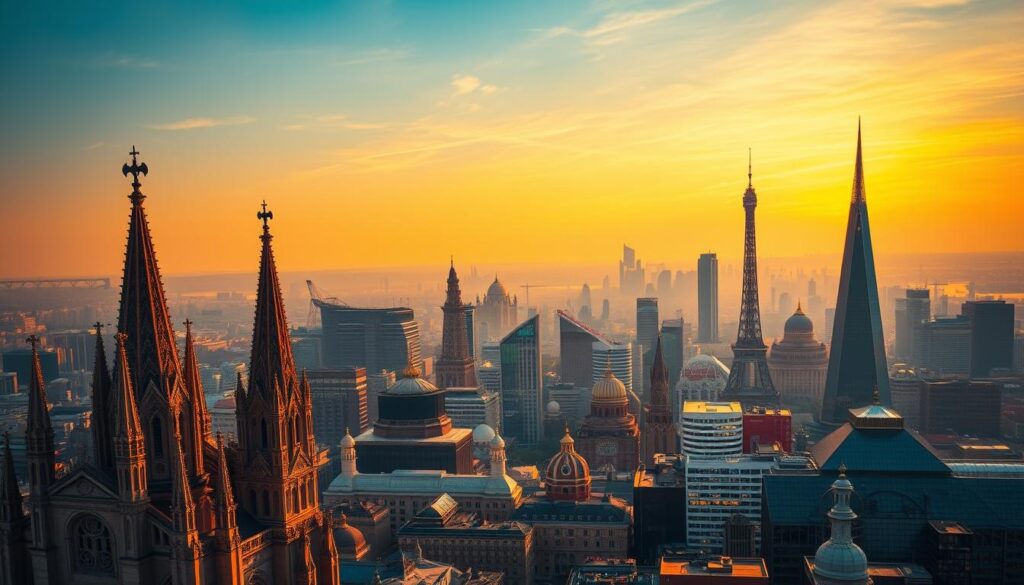
The Colosseum in Rome, Italy, is another landmark that has lasted for centuries. Emperor Vespasian started it in 72 AD. It could hold up to 50,000 people who watched gladiator fights, animal hunts, and executions.
Antoni Gaudí’s Sagrada Família in Barcelona, Spain, is a Gothic-Art Nouveau wonder. Even though it’s not finished, it’s a UNESCO World Heritage Site. It’s known for its detailed stone carvings, beautiful stained-glass windows, and tall spires.
These iconic buildings are more than just engineering feats. They are cultural symbols that share stories of their time. Seeing these places is like taking a trip through history, showing us the cultures and societies that created them.
In short, iconic buildings like the Eiffel Tower, the Colosseum, and the Sagrada Família are places everyone should see. They inspire awe and wonder in people everywhere.
Influential Architects in History
Throughout history, visionary architects have made a big impact. They created iconic structures that last for ages. These influential architects have shaped our built world and inspired others.
Frank Lloyd Wright is famous for his organic designs. His work, like the Guggenheim Museum in New York, shows his unique style.
Le Corbusier changed modern architecture with his focus on function and simplicity. His work in India, like Chandigarh, shows how he mixed modern ideas with local culture.
Oscar Niemeyer is known for his futuristic designs. The Cathedral of Brasília is a prime example of his work. It’s a symbol of modern Brazilian architecture.
These architects have greatly influenced architectural history. Their designs and ideas continue to inspire today. They show the power of architecture to change our world and culture.
Looking to the future, knowing about these architects helps us create new styles. Their work reminds us of architecture’s power to shape our environment and culture.
The Impact of Technology on Architecture
Technology has changed architecture, making it possible to build innovative and green buildings. Modern architecture has grown thanks to new tech, leading to buildings that are both useful and beautiful.
Technology has also changed how we design buildings to be sustainable. For example, the Pixel Building in Melbourne, Australia, uses new tech to be green. It shows how green technology and new materials help architects make buildings that are good for the planet.
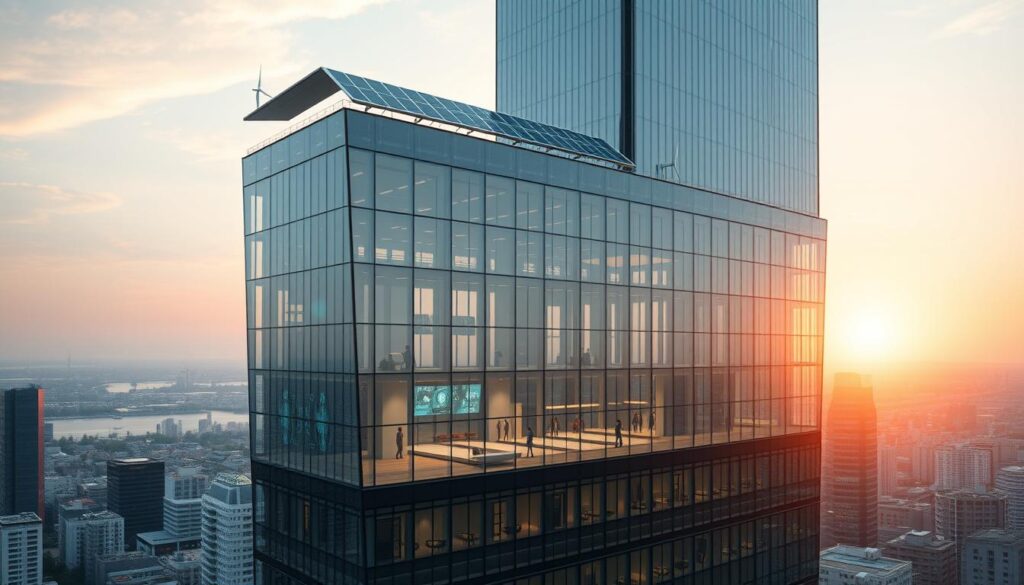
Technology has also made it easier to create complex and unique designs. With tools like CAD and BIM, architects can design and see buildings in detail. This has opened up new ways to design buildings that were once impossible.
Also, technology has made building faster and cheaper. Using prefabricated modules and 3D printing cuts down on waste and time. This is good for the environment and saves money for builders and clients.
In summary, technology has greatly changed architecture, allowing for sustainable, efficient, and unique buildings. As tech keeps getting better, we can expect even more amazing architectural designs in the future.
The Role of Architecture in Urban Planning
Architecture is key in shaping cities and making them better places to live. It brings new designs to urban planning, making cities more livable and green.
Designs that bring the outdoors into homes are becoming more popular. This trend makes buildings look better and improves health. Green spaces and sustainable building practices are at the heart of modern city design.
Architects, urban planners, and policymakers work together to build better cities. They design buildings, public areas, and infrastructure that serve a growing population. This teamwork makes cities functional, beautiful, and sustainable.
Keeping cities livable as they grow is a big challenge. Designing spaces for community, easy access to services, and green practices is essential. Smart city initiatives and innovative transportation systems show how architecture and planning can improve urban life.
As cities change, architecture’s role in planning will grow even more. Focusing on sustainable design and community needs helps create cities that are not just livable but also strong against future problems.
Exploring Avant-Garde Designs
The avant-garde movement in architecture is all about bold experimentation. It rejects traditional designs and aims to create something new. This movement is not just about making buildings look good. It’s about exploring the limits of what architecture can do.
Avant-garde designs use new materials and technologies. This leads to buildings that are not only beautiful but also green and useful. For example, the Kuggen building and the Museum Brandhorst show off colorful, unique designs. They have become famous landmarks in their cities.

Innovative architecture is key to the avant-garde movement. It involves trying out new shapes, materials, and tech. This way, buildings become not just homes but also pieces of art. It breaks old rules and opens up new ways to design buildings.
Avant-garde designs change how people see and interact with buildings. They make buildings stand out and spark thought. This way, avant-garde architecture can make buildings symbols of a city’s culture.
As architecture keeps changing, avant-garde designs will keep being important. They will keep inspiring architects and designers to dream big and explore new ideas in building design.
How Cultural Context Shapes Architecture
The cultural context is key in shaping architectural designs. It shows the local culture and traditions. Buildings reflect the society that built them, with elements important to local heritage.
Cultural heritage greatly influences architectural design. It affects the materials, style, and look of buildings. For example, buildings in areas with a rich history often show their history and cultural values.
Different cultures have unique architectural styles. Traditional Japanese architecture uses natural materials and is simple, showing a love for nature. Western styles are often more ornate, showing different cultural values.
The importance of understanding the cultural context is huge. It helps us appreciate architectural designs and preserve cultural heritage. By studying cultural contexts, architects can create buildings that are beautiful and culturally relevant.
In conclusion, the cultural context is vital in architectural design. It influences the look, materials, and style of buildings. Appreciating this context is important for architects and architecture lovers.
Architecture and its Economic Impact
The financial importance of architectural designs is huge. They help with economic growth and development. Buildings and structures do more than just stand there; they spark economic activity.
Architectural designs can really help local economies. They attract businesses, tourists, and talent. For example, famous buildings can become landmarks. They draw visitors and help local businesses grow.
Design trends in home designs also show the economic benefits of architecture. Sustainable and eco-friendly designs are good for the environment. They also make property values go up, helping the economy grow.
Architecture is key in urban planning, too. It shapes the economic landscape of cities. Well-designed public spaces can make neighborhoods better. They boost local economies and improve life for residents.
In short, architecture has a big impact on local economies. It helps with economic growth. As cities change, architecture’s role in boosting the economy will stay important.
The Relationship Between Architecture and Art
Buildings are more than just structures; they are canvases for artistic expression. This mix of architecture and art has led to some of the world’s most iconic buildings.
Art in architecture can take many forms, from small details to large installations. For example, the MUSAC in Spain and the Museum Brandhorst in Germany are known for their artistic designs. They show how architecture can challenge traditional art boundaries.
The bond between architecture and art goes beyond looks. It’s about creating an experience. Buildings with art can stir emotions and spark imagination, turning them into more than just places to be.
Louis Kahn once said,
“A great building must begin with the unmeasurable, must go through the measurable means when it is being designed, and in the end must be unmeasurable.”
This quote captures the essence of combining art and architecture to create something remarkable.
Artistic elements in architecture also show a building’s cultural and historical context. By using local art and materials, architects can make structures that are visually stunning and deeply connected to their surroundings. This approach emphasizes the role of contextualism in architecture, where the building tells a story of its environment.
In conclusion, the connection between architecture and art is rich and complex. Each field influences the other deeply. As we explore new possibilities in building design, the blend of architecture and art will continue to be key in creating inspiring spaces.
The Future of Building Designs
The world of architecture is always changing. New technology and different needs drive these changes. Looking ahead, we see a future where buildings are more sustainable, functional, and creative.
One big trend is adding natural elements to buildings. Think green roofs and living walls. These features make buildings look better and help the planet.
Technology like 3D printing and Building Information Modeling (BIM) is changing architecture. These tools help architects design complex buildings and test them in a virtual world. This leads to better, more efficient buildings.
In the future, we’ll see even more amazing and green buildings. Architects will use the latest tech to create stunning, eco-friendly structures. This will make our buildings not just beautiful but also good for the environment.