Traditional games have always been a big part of our culture. They bring happiness and fun to people of all ages. These games have been around for a long time, creating a sense of community and bringing back memories.
In small towns and big cities, traditional games are key in childhood development. They help kids stay active, make friends, and learn new things. These games are a big part of who we are, connecting us to our past.
Exploring traditional games lets us relive the joy of our childhood. It also shows us how important it is to keep our cultural heritage alive for the next generation.
The Importance of Traditional Games in Culture
In many cultures, traditional games are more than just fun. They help keep heritage alive and bring people together. These games have rules and allow for creativity and new ideas.
Traditional games show what a culture values and its history. They act as cultural artifacts, giving us a peek into the past. They tell us about our ancestors’ lives and traditions.
“Games are among the most important and most distinctive features of human societies, reflecting the cultural, social, and economic contexts in which they are played.”
These games unite people, encouraging social interaction and community feeling. Playing them helps individuals connect with their cultural roots. It also helps them understand their community’s traditions better.
Traditional games also help in preserving heritage. They pass down cultural values and customs to future generations. This keeps them alive and meaningful today.
By playing traditional games, communities can strengthen their cultural identity. This leads to a stronger sense of unity and social bonds among members.
In summary, traditional games are key to cultural heritage. They connect the past and present. They are important for preserving cultural identity and building community.
Types of Traditional Games
Traditional games vary across cultures, changing with the age and interests of players. They entertain and help with childhood development and social skills.
Games are divided by age and playtime. Kids play during the day, while others are for evenings or seasons. This makes each game special to its culture.
Games for Children and Adults
Children’s games help with physical and mental growth. Examples are tag, hide and seek, and folk dances. These are fun and teach important lessons.
Adult games focus on social skills, strategy, and sometimes physical challenges. Interestingly, boys and girls used to play different games. But now, many games are enjoyed by both, promoting equality.

Traditional games show human societies’ creativity and adaptability. They entertain and help preserve culture. Playing these games teaches teamwork, problem-solving, and communication.
In summary, types of traditional games give us a peek into different cultures. They are key in socializing and help people grow at all ages.
Popular Traditional Games Across the U.S.
The United States is filled with traditional games passed down through generations. These games entertain and show the country’s rich cultural heritage.
Games like hopscotch, tag, dodgeball, and hide and seek are loved by many. They bring kids together in backyards, parks, and schools. They help kids be active and social.
Each region has its own twist on these games. This shows how creative and adaptable people can be. For example, some places have special rules for tag that are different from others.
These games hold a deep cultural value. They connect families across generations and keep traditions alive.
They also help kids stay active and learn important social skills. Games like these teach teamwork, strategy, and how to compete fairly. They’re key to growing up well.
Even as the U.S. changes, its traditional games stay the same. They show the country’s diverse heritage and the joy of play.
Benefits of Playing Traditional Games
Playing traditional games has many benefits. They help with physical, cognitive, and social growth. These games are fun and also help us grow in many ways.

One big plus of traditional games is they get us moving. Many games need us to run, jump, or move a lot. This helps us stay healthy and fit.
Developing Social Skills
Traditional games also help us learn important social skills. We learn to work together, talk well, and solve problems. These skills help us succeed in life and work.
Also, these games boost our brain power. They make us think strategically, solve problems, and remember things. This can make our brains sharper and help us stay sharp longer.
Plus, traditional games bring people together. They help us connect with others from different backgrounds. This builds friendships and helps us understand different cultures.
In short, playing traditional games is very good for us. They mix physical activity, brain exercises, and social fun. This mix is key for growing well-rounded individuals.
How to Incorporate Traditional Games in Family Gatherings
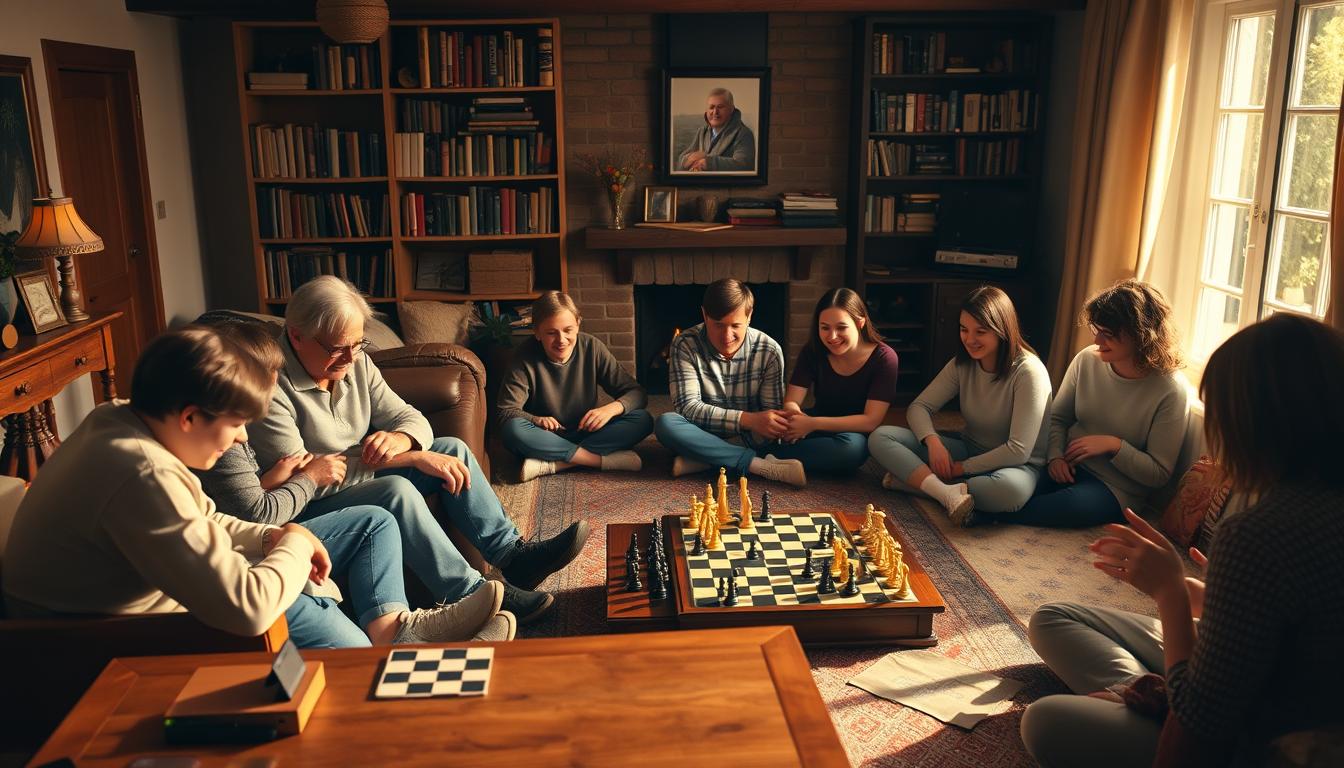
Traditional games are a great way to bring families together. They help foster community engagement. Adding these games to family gatherings makes for a fun and memorable time for all.
First, pick traditional games your family loves or has enjoyed before. Board games like Monopoly or card games like Poker are excellent choices. Outdoor games like Tag or Hide and Seek are also good if the weather is nice.
Setting up a game night is easy. Pick a date and invite everyone. Choose games that everyone will enjoy. Creating teams makes it more exciting and encourages everyone to play.
To make it more fun, have a small tournament with prizes. A homemade trophy or a small gift card works well. The goal is to have fun and spend quality time together.
Tips for a Successful Game Night
Make sure the games are fun for all ages. Explain the rules clearly to avoid confusion. Be ready to adjust the games if needed to fit different skill levels or interests.
Adding traditional games to family gatherings makes them more engaging and enjoyable. It’s a wonderful way to strengthen family bonds and create lasting memories.
Traditional Games and Learning
Traditional games are great for kids’ minds and help them love learning. They’ve been around for ages, mixing fun with education.
These games help kids in many ways. They improve problem-solving, thinking, and creativity. Dr. Jane Smith, a child development expert, says, “Traditional games are key for kids’ thinking skills as they challenge them to think and decide.”
“Play is the highest form of research.” – Albert Einstein
Games also help kids grow socially and emotionally. They learn to work together, talk, and solve problems. This is important for making friends and understanding feelings.

Games are also great for learning. They can teach math, language, and history in fun ways. For example, games that count and solve problems can make kids better at math.
In short, traditional games are very valuable. They help kids think better and learn more. By playing these games, kids get ready for school and life.
Adapting Traditional Games for Modern Audiences
The world is getting more digital, and we need to adapt traditional games for modern audiences. Today’s people prefer digital fun, so we must update classic games without losing their charm.
In some places, the economy is tough, making traditional games a cheap way to have fun. This chance lets us revitalize old games by adding new twists.
Using technology is a smart way to update traditional games. For example, making digital versions of board games or cards can attract more players. This way, we keep the game’s spirit alive while reaching out to digital-savvy folks.
We can also tweak the rules or add new elements to make games more exciting for today’s players. This might mean making rules easier or adding modern themes.
Also, using social media and online sites to promote traditional games can expand their reach. Online communities for these games let fans share and newcomers learn in a fun way.
In the end, adapting traditional games for modern audiences is about finding a balance. It’s about keeping our cultural heritage alive while embracing new ideas. This way, traditional games can stay popular in the digital era.
Cultural Variations of Traditional Games
Traditional games show the rich diversity of cultures worldwide. They are more than just fun; they mirror the history, culture, and society of their origins.
Every region has its own traditional games, shaped by local customs and values. For example, Mancala is played differently in Africa and the Middle East. Each culture has made the game their own.
“Games are a universal language, understood and enjoyed by people across cultures, yet they are also a reflection of the unique cultural heritage of different communities.”
Games in different regions reflect local values and customs. In Asia, games like Go and Shogi focus on strategy. This shows the importance of mental discipline and strategic thinking in these cultures.

In Latin America, games like Loteria emphasize social bonding. They highlight the value of family and community ties in these cultures.
These games also tell us about the history and society of each region. Some games in Africa and the Americas come from ancient rituals. Others were shaped by colonialism and migration.
Learning about these variations helps us appreciate the rich heritage of traditional games. By exploring and preserving these games, we can understand the cultures of communities worldwide better.
Preserving Traditional Games for Future Generations
Traditional games are a big part of our heritage. It’s a collective responsibility to keep them alive. These games entertain us and connect us to our cultural roots, teaching us important lessons and helping us bond with others.
There are efforts to watch over places where these games are played. Kids are encouraged to form teams and clubs. This is key to keeping traditional games alive for the next generation. By getting kids involved, we make sure these games and their cultural value stay with us.
Community engagement is vital in saving traditional games. Local communities can host events and tournaments, bringing people together and boosting cultural pride. Local groups and community centers can also offer the support needed for these efforts.
Groups focused on cultural preservation are also important. They provide resources, document these games, and help spread the word. Their work helps make these games more accessible to everyone.
Another good idea is to add traditional games to school programs. This way, kids learn about their cultural heritage while staying active and developing social skills. It keeps traditional games alive and makes them interesting to today’s kids.
In summary, saving traditional games for the future needs a team effort. It involves community support, help from organizations, and making these games part of education. Together, we can keep these important parts of our culture alive.
The Future of Traditional Games in a Digital Era
The world is changing fast, and how we play games is no exception. Traditional games face a new challenge in the digital era. Yet, they remain popular, even when times are tough and expensive games are out of reach.
To stay relevant, traditional games must find a balance. They need to keep their heritage while using new technology. This could mean adding digital features or creating online spaces for learning and playing.
The goal is not to replace traditional games but to make them fit for today’s world. By doing so, we can keep these games alive. They help bring people together and share our culture.