
Teaching kids social skills and friendship skills is key for their growth. As they get older, they need to know how to talk to others, make friends, and handle different social situations.
One great way to improve these skills is through activities that help kids learn from each other. Skill Swap is a cool method where kids share their talents and learn new things. It builds a sense of community and teamwork.
Doing these activities helps kids learn important life skills like talking well, understanding others, and solving problems. It’s good for their personal growth and helps them make strong, lasting friendships.
Understanding the Concept of Skill Swap
Skill Swap offers a unique chance for kids to learn from each other.
The idea of Skill Swap is simple yet effective. It lets friends share their skills, helping kids grow together. Through Skill Swap, kids can improve their social skills, which are key for good friendships.
One big plus of Skill Swap is teaching important skills. Kids learn how to handle conflicts, join in, and know their limits. These skills help them get along well in social situations.
By doing Skill Swap, kids learn to talk well, understand others, and solve problems. These friendship skills are important for lasting friendships.
Experts say teaching, showing, and practicing are key for better social skills. Skill Swap does this by letting kids learn from each other. It’s all about practice and support.
Also, Skill Swap makes kids take turns teaching and learning. This creates a fair and cooperative learning space. Kids learn to listen, solve problems, and more.
By getting Skill Swap, parents and caregivers can help kids improve their social skills. This way, kids can make real and lasting friendships.
Finding Friends to Participate
The first step in Skill Swap is finding people to join. Think about the social skills groups you can make. Consider the age and needs of the kids. Younger students might need help with making friends and solving small problems.
Older students might need advice on healthy friendships and setting boundaries. Knowing these needs helps you make effective groups.
To make Skill Swap work, you need a diverse group of friends. Invite people from different backgrounds and with various skills. 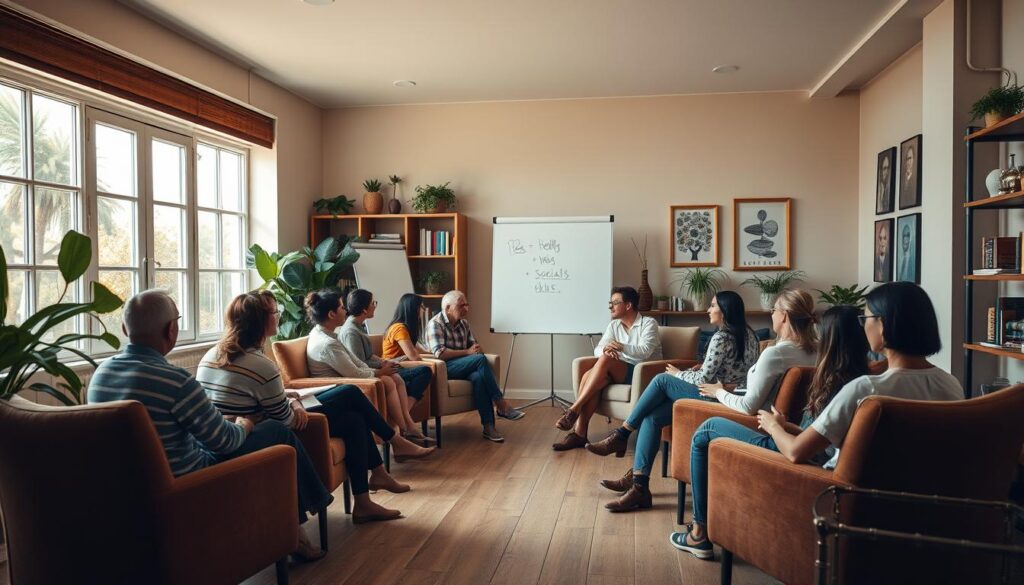
When setting up groups, remember the benefits for everyone. This way, you create a place where everyone can learn and grow together.
Effective Skill Swap needs everyone to participate. By picking the right people and making strong groups, you ensure a fun and successful experience for all.
Choosing Skills to Exchange
Finding the right skills to swap with friends is the first step. It’s about picking skills that are valuable and match your interests. This way, everyone gets something they really need.
When it comes to social skills, there are many options. For example, teaching friends about using a social filter can be very helpful. This skill helps them deal with tricky social situations better.
Another great skill is reciprocal conversation skills. This means listening well and answering thoughtfully. It’s key for keeping friendships strong. Also, learning about perspective-taking and nonverbal communication can make connecting with others easier.
When picking friendship skills to swap, think about empathy, trust, and respect. Skills like listening well, solving conflicts, and saying thank you can make friendships better. They help build a supportive circle of friends.
By picking skills that are both useful and interesting, you make the swap rewarding for everyone. This careful choice ensures everyone gets something valuable from the exchange.
Setting Up a Skill Swap Schedule
To get the most out of Skill Swap, having a regular schedule is key. It helps in teaching social skills by making things predictable and comfortable for everyone.
Creating a schedule that works for all participants is vital. You need to think about when everyone is free and what they prefer. This way, everyone gets a fair chance to learn and share.

Start by figuring out how often and long Skill Swap sessions will be. Will they happen weekly, every two weeks, or monthly? How long will each session last? Flexibility is key, so be ready to change things if needed.
It’s also important to establish clear expectations about the schedule. Tell everyone involved what to expect and their roles in the Skill Swap. This helps build trust and a supportive learning space.
With a good schedule, Skill Swap programs can really help people improve their social skills. It’s about making a routine that’s engaging and good for everyone.
Creating a Supportive Learning Environment
To get the most out of Skill Swap, it’s key to have a caring space. A supportive setting lets people feel at ease sharing their skills and learning from others.
Establishing a Positive Atmosphere
A positive vibe is key for learning well. It means making a place where everyone feels important and treated right. Experts say, “A positive learning space has a community feel and respect for all” (
A supportive environment fosters a sense of belonging, which is critical for effective learning.
It’s important for everyone to get involved. This can happen through talks, hands-on tasks, or sharing presentations. This way, people not only pick up new skills but also improve their social skills and friendship skills.
A supportive setting is very important. It’s where people feel okay to try new things, make errors, and learn from them. As Helen Keller said, “Alone we can do so little; together we can do so much.” – Helen Keller.
By making a supportive learning space, Skill Swap programs help people grow a lot. They get the most out of their time, improving both personally and skill-wise.
Sharing Resources and Materials
Sharing resources and materials is key in a successful skill swap program. When people exchange relevant and high-quality resources, it makes learning better. It also creates a supportive environment.
To teach social skills well, many engaging activities and resources can be used. For example, role-playing exercises help people practice social scenarios. “Would You Prefer” games start interesting discussions and help with decision-making. Using “friendship recipe” analogies is another creative way. Participants share their favorite ways to nurture friendships, like sharing ingredients for a recipe.

Experts agree that using diverse resources and materials in skill swap sessions boosts learning. “The key to successful skill swapping is sharing and accessing a wide range of resources,” says a well-known expert.
By using these resources, participants can improve their friendship skills and strengthen social bonds. This makes the community more supportive and inclusive.
“The art of teaching is not just about imparting knowledge, but also about creating an environment where individuals feel encouraged to learn and grow.”
Measuring Progress and Success
Evaluating Skill Swap’s progress is key to improving social skills and building strong friendship skills. It helps participants see their strengths and what they need to work on.
Setting clear, achievable goals at the start is important. Regular check-ins and feedback help track assessing progress and make needed changes.
Regular assessment and feedback are vital for Skill Swap’s success. By checking their progress often, participants can improve their skills and strengthen friendships.
Also, celebrating milestones and achievements boosts morale and motivation. This makes the Skill Swap experience even better.
In summary, assessing progress is essential for a successful Skill Swap. By focusing on this, participants can make the most of their social skills and friendship skills.
Overcoming Challenges in Skill Swap
Effective Skill Swap needs more than just exchanging skills. It also requires overcoming challenges. When people take part in Skill Swap, they might face obstacles that could affect the success of the exchange.
One common challenge is dealing with conflicts. These can happen because of different learning styles or personalities. To solve this, setting clear rules and communication channels is key. This makes a supportive learning environment where everyone feels safe to share their thoughts.
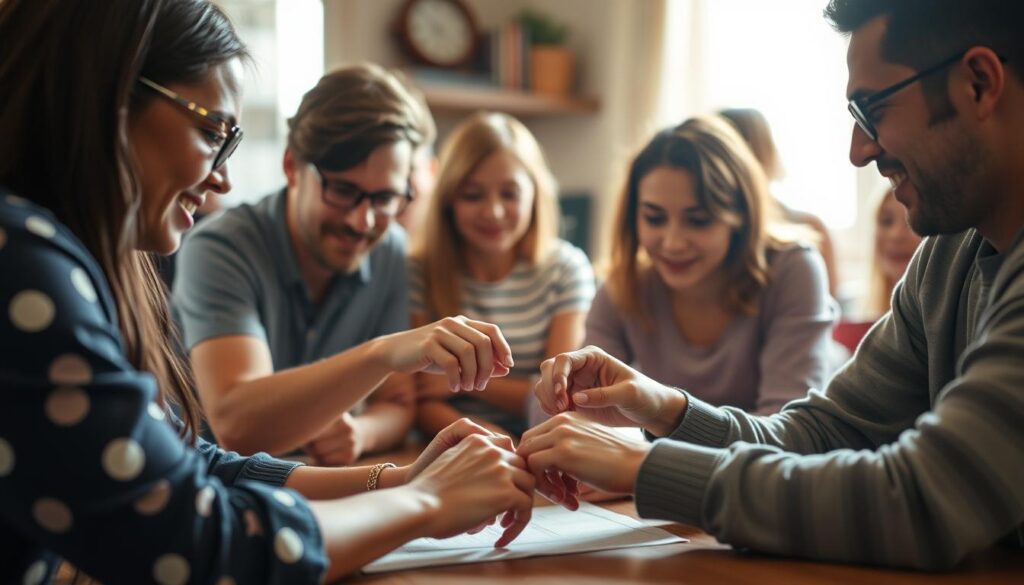
Another challenge is when the skill exchange doesn’t meet expectations. To handle this, setting realistic goals and being open to feedback is important. Developing social skills like empathy and listening is also vital for Skill Swap.
Strategies for Success
To beat challenges in Skill Swap, focus on building strong social skills. This includes learning to resolve conflicts and communicate well. Doing so helps create a positive space for learning and growing.
By knowing the challenges and finding ways to overcome them, people can get the most out of Skill Swap. This leads to better social skills and more successful exchanges.
Expanding Your Skill Swap Network
Expanding your Skill Swap network can make it more effective. As you keep participating, you’ll meet more people. This leads to more learning chances and a stronger community feeling.
Increasing participation is key to growing your network. Invite friends, colleagues, or people you know who might want to swap skills. The more people join, the more lively and diverse your Skill Swap will be.
Creating new social skills groups is another way to grow. You can set up groups based on interests or skills. This makes it easier for people to find and connect with others who share their passions.
Expanding your network is not just about numbers; it’s about creating a diverse and supportive community that fosters growth and learning.
This quote highlights the value of careful and strategic growth.
By working to expand your Skill Swap network, you help create a welcoming space for everyone. This not only improves learning but also boosts the success of the Skill Swap project.
Making Skill Swap a Regular Practice
To get the most out of Skill Swap, make it a habit. It’s important to keep practicing to improve your social skills. Being consistent is key to success.
Adding Skill Swap to your daily routine helps you learn new things and build stronger relationships. It also boosts your confidence and brings people together.
To keep things going, plan regular Skill Swap sessions and set goals. This keeps everyone excited and motivated, leading to ongoing success.
By making Skill Swap a regular part of your life, you start a lifelong learning journey. You’ll keep growing your social skills, helping you in both your personal and professional life.