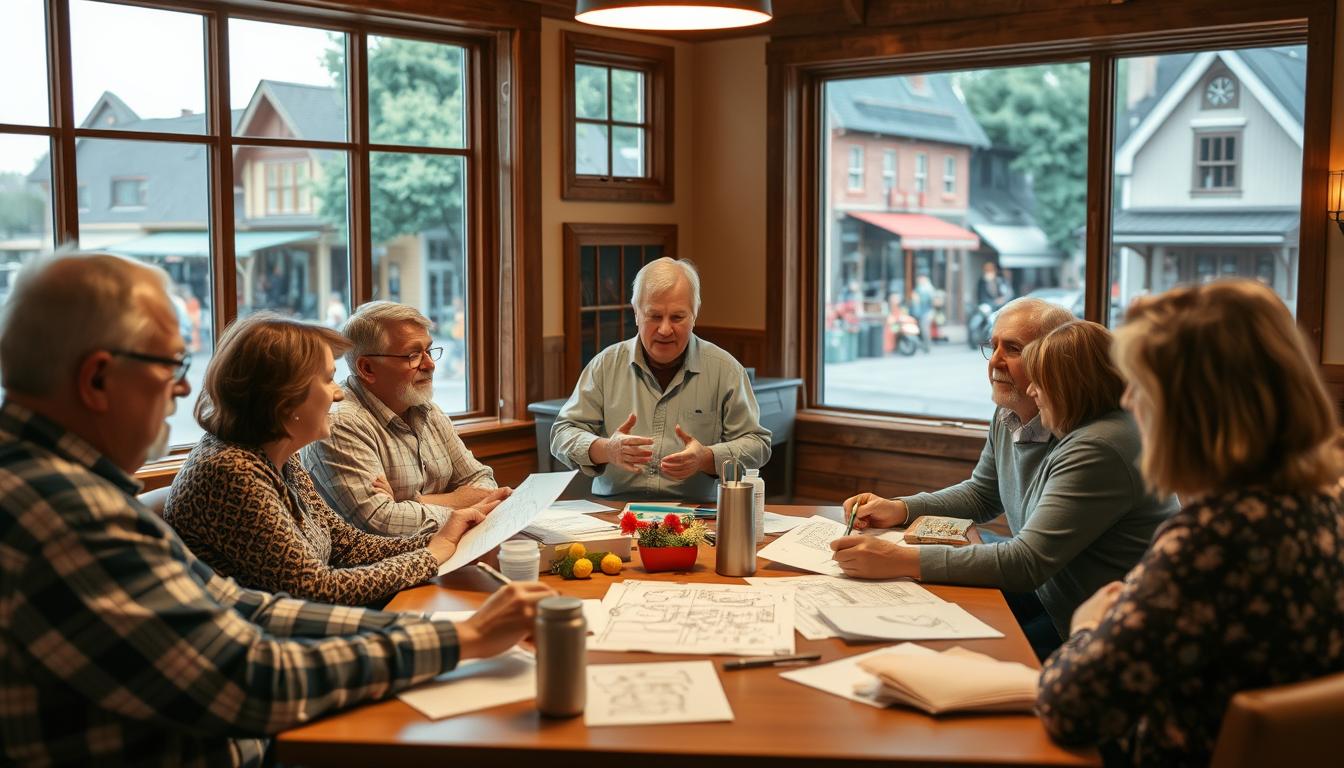
Organizing a community event in a small town can be fun and rewarding. But, it needs careful event planning and execution.
A successful small town festival relies on several key factors. These include defining the event’s purpose, picking the right date and time, and choosing a good venue. Also, setting a realistic budget is important.
Good event planning means creating a great program and promoting the event well. It also involves getting volunteers and making sure everything is safe and legal. By focusing on these areas, you can make the event memorable and fun for everyone.
Understanding the Purpose of Your Festival
Before planning a small town festival, it’s key to know its mission and objectives. What’s the main theme of your festival? Who do you want to reach? These answers will help craft a clear festival mission statement to guide your planning.
Defining your festival’s purpose means figuring out its community event goals. Are you looking to boost local culture, support a charity, or just bring people together? Knowing these goals helps you make smart choices during planning.
Understanding your festival’s objectives is also vital for measuring success. By setting clear, reachable goals, you can see how well your event did. This could be through numbers like attendance, community involvement, or money raised for a cause.
A strong festival mission acts as a guide for your event. It ensures everything, from entertainment to setup, matches your goals. This focus helps create a unified and fun experience for everyone.
In short, understanding and defining your festival’s purpose and objectives is a key step in planning a hit event. It sets the stage for a well-run and impactful celebration that connects with your audience.
Choosing the Right Date and Time
Picking the perfect date and time is key to festival planning. The success of your festival depends on choosing a date and time that appeals to your audience.
When deciding on the date, it’s vital to check for event scheduling conflicts. Look for other local events or holidays that might draw your audience. You can avoid conflicts by checking local event calendars and coordinating with other organizers.
Considering Weather and Seasonal Factors
Weather considerations are very important for outdoor festivals. If your festival is during a bad weather season, have a backup plan ready.
Outdoor festivals need to think about the season and weather. For example, summer festivals might need shade, water stations, and cooling for guests.

Festivals in spring or fall might have better weather, which could attract more people. Also, weekends are usually better than weekdays for attendance.
By carefully looking at these factors and picking the right festival date and festival time, you can boost your event’s chances of success.
Selecting a Suitable Venue
Choosing the right venue for your festival is key. The venue greatly affects how your guests enjoy the event. Event planners say, “A good venue can make the festival better, leaving a lasting memory for everyone.“
When looking at festival venue options, think about accessibility, what’s available, and how many can fit. Make sure the venue can handle the number of people you expect.
It’s important to consider how easy it is to get to the venue. It should be easy to reach by car, public transport, and on foot. Also, think about people with disabilities and make sure the venue is welcoming to them.
Things like parking, restrooms, and food and drinks can really improve the festival. A festival organizer shared, “
The right amenities can make a festival great. Make sure your venue has everything for a fun and comfy day.
“
By carefully picking a venue and focusing on accessibility and amenities, you’ll make your festival a hit with your guests.
Budgeting for Your Festival
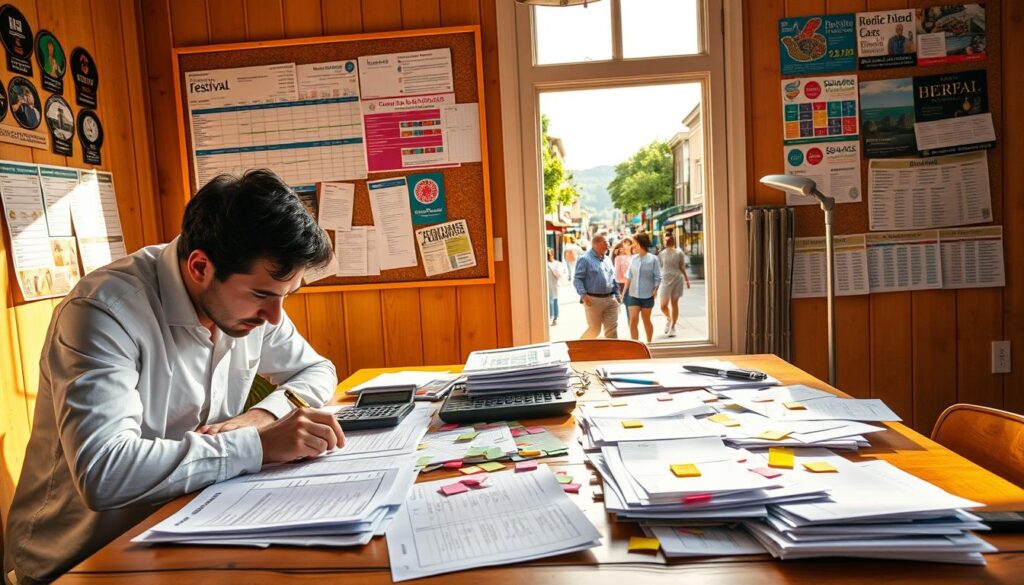
A well-planned budget is key to a successful festival. It helps you use resources wisely, make smart choices, and keep your event financially sound.
To make a realistic budget, you must guess your costs. This includes talent fees, marketing expenses, and logistics. Also, think about revenue streams like ticket sales, sponsorships, and merchandise.
Event planning experts say a good budget should plan for surprises. As
“A budget is a reflection of your financial planning and risk management capabilities,”
an experienced event planner noted.
Managing Financial Risks
It’s vital to manage financial risks for your festival’s success. You should have a plan for risks like weather-related cancellations or last-minute cancellations by performers.
To reduce risks, consider diversifying your revenue streams, purchasing insurance, and keeping a contingency fund. Being proactive and prepared helps keep your festival financially stable, even with unexpected issues.
Curating an Appealing Program
A successful festival needs a diverse and engaging program. A well-made festival program draws in and keeps people coming back. It offers something for everyone.
Selecting the right talent and activities is key. Mix music, food, and activities for all interests and ages. This makes the experience better and keeps people coming back.
Creating a Diverse and Engaging Schedule
To make a great schedule, balance act performances, workshops, and main stage events. Make sure it’s easy to follow and offers many choices all day.
For example, start with a morning yoga session. Then, have a children’s workshop, followed by a big stage show in the evening. This variety keeps everyone interested all day.
Also, include local talent and activities that show off your town’s culture. This makes your festival special and attracts both locals and tourists.
By planning your festival program well and making a diverse schedule, you’ll give your attendees a memorable time. This sets your festival up for success.
Promoting Your Festival Effectively
Promoting your festival well is key to drawing in lots of excited people. A good marketing plan is vital to build excitement for your event.
A solid marketing strategy helps you connect with your audience and leave a strong impression. As Philip Kotler, a top marketing expert, said:
“Marketing is not the art of finding clever ways to disguise your product or service. It is the art of creating genuine value for your customers.”
– Philip Kotler, a renowned marketing expert.
Utilizing Social Media and Other Channels
Social media is a great way to promote your festival. Make a strong online presence by creating event pages on Facebook, Instagram, and Twitter. Share interesting content like behind-the-scenes looks, artist interviews, and sneak peeks to get people excited and sharing.
To reach more people, team up with local businesses and groups to boost your promotion. Don’t forget about email marketing to keep your followers up-to-date with the latest news and announcements.
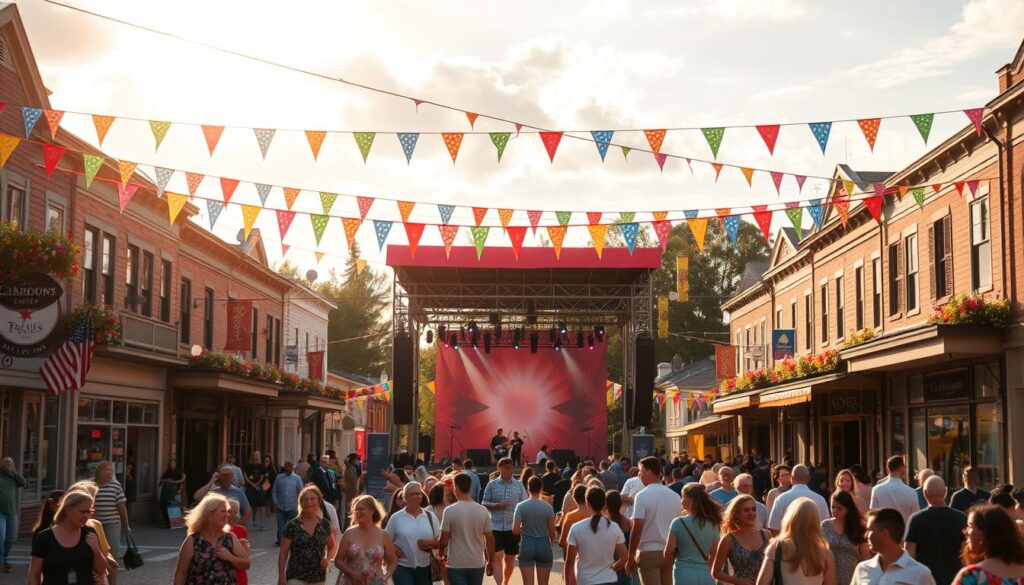
Other than social media and email, use local newspapers, radio, and event calendars to promote your festival. Event marketing is about creating an experience that your audience will love. By using different channels, you can make a big splash and draw in a huge crowd.
With a detailed marketing plan and various promotional methods, your festival is sure to be a hit.
Engaging Volunteers and Staff
Getting the right festival volunteers and event staff is key for a great festival. Their hard work and dedication make your event a success.
First, make a detailed plan for volunteer management. Figure out the roles needed, write clear job descriptions, and set up a recruitment process. Use social media, local boards, and newspapers to promote volunteer spots.
After you’ve found your festival volunteers, make sure they have a good time. Give them thorough staff training. Teach them about the festival layout, their roles, and the event schedule.
Offer incentives like free tickets, merchandise, or meals to motivate them. Saying thank you and showing appreciation also helps a lot.
Good staff training doesn’t stop at the start. Keep supporting and giving feedback to make them feel sure and skilled. Regular meetings and an open policy for questions or concerns improve their experience.
By focusing on volunteer management and staff training, you’ll create a positive and effective team. This benefits both your volunteers and your festival’s success.
Ensuring Safety and Compliance
Planning your festival carefully is key, focusing on safety and legal rules. Making sure everyone is safe is top priority. This means doing a detailed risk assessment to find and fix possible dangers.
A good safety plan is a must. It should cover emergency responses and how to manage crowds. Make sure to work with local authorities and emergency teams to make it effective and follow all rules.
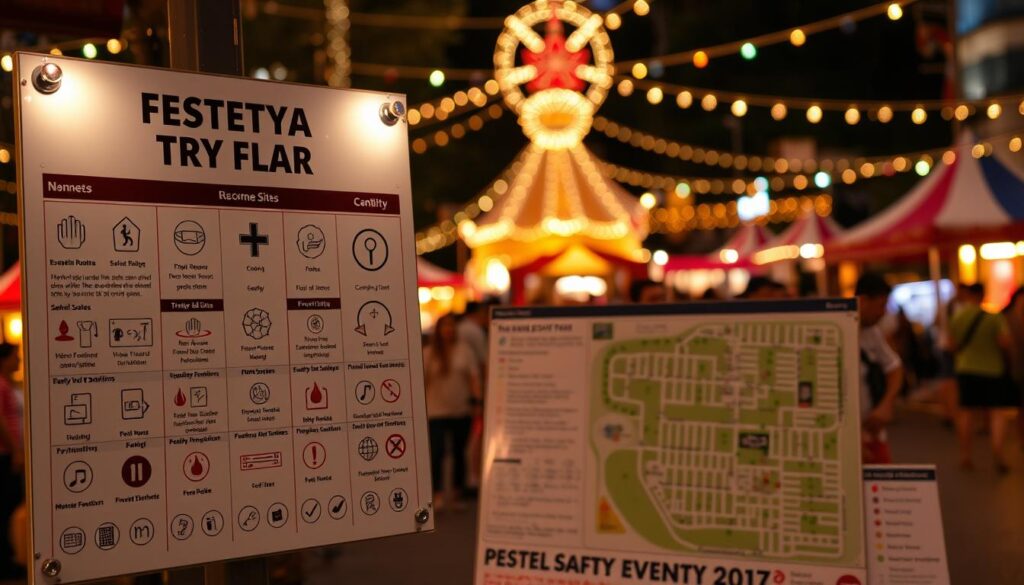
Following the law is not just a must; it’s also important for your festival to run smoothly. You’ll need to get the right permits, like noise permits. Also, you must follow health and safety regulations.
Remember to know and follow any special laws for your festival. This includes rules for food and drinks, entertainment, and camping if you have it.
Putting festival safety and event compliance first helps avoid problems. It makes sure everyone has a great time and helps your festival succeed.
Measuring Success After the Event
Understanding how well your festival did is key. You need a detailed plan that covers different success metrics.
Look at things like how many people came, how much money you made, and how happy they were. This helps you see how your festival did.
Gathering Feedback from Attendees
Attendee feedback is very important. You can get it from surveys, social media, and more.
What people say helps you know what works and what doesn’t. This helps you plan better for next time.
For a full festival evaluation, use both what people say and numbers. This means feedback forms, social media stats, and financial reports.
This way, you get a full view of your festival’s success and what you can do better.
Measuring success is not just about numbers. It’s about how your festival made people feel. By looking at success metrics and attendee feedback, you can make your future events even better.
Creating Lasting Memories for Attendees
Making your festival memorable is key to its success. Design an engaging experience to leave a lasting impression on your guests.
Encouraging Attendee Engagement and Participation
Include interactive elements like workshops and contests to engage attendees. Social media campaigns help too, by encouraging people to share their festival moments.
By focusing on engagement and participation, you create unforgettable experiences. These experiences build loyalty and encourage people to come back.