

Creating a successful fundraising event needs creativity and knowing your audience well. Whether it’s for elementary school parents or senior citizens, adding food and treats is a great idea. It appeals to everyone.
Organizing a fun fundraiser is key for any group wanting to raise money. A well-thought-out event can do more than just raise funds. It can also unite the community, creating a sense of togetherness and support.
In this article, we’ll look at different fundraising ideas and strategies. These will help you plan a fun and successful event that connects with your audience.
Understanding Fundraisers: What They Are and Why They Matter
Fundraisers are key for nonprofit organizations and charities to make a big difference. They are events or campaigns to raise money for a cause. This helps connect the organization’s goals with community support.
Fundraising is more than just collecting money. It’s about creating a community around a cause. Good fundraisers get people involved, raise awareness, and make people feel part of something bigger. They are critical for nonprofit organizations and charities to fund their work and reach their goals.
The role of fundraisers is huge. They give the funds needed for charitable work and unite people for a common goal. Knowing the importance of fundraising helps organizations plan and run successful events that touch their audience.
In short, fundraisers are the backbone of nonprofit and charity work. They let these groups keep doing important work in the community. Understanding fundraising helps organizations make a real positive impact.
Choosing the Right Cause for Your Fundraiser
When planning a fundraiser, picking the right cause is key. The cause you choose will shape your event’s purpose and affect how people donate. It’s a big decision that impacts your event’s success.
Understanding the Impact of Cause Marketing
Cause marketing is now a big part of charity fundraising. Picking a cause that matters can make your event more appealing. It also makes the experience meaningful for everyone involved. Make sure the cause you pick is something your audience cares about and fits your organization’s mission.
Researching Possible Causes
To find the best cause for your fundraiser, do your homework. Look into different nonprofit causes and see if they match your audience. Think about how popular the cause is, if it gets media attention, and if people in your community support it.
Getting outside help can also be useful. An outside view can help you find the most compelling cause. It can also bring new ideas to your fundraising plan.
When looking at causes, check their impact and trustworthiness. Look for organizations that are open about their finances, show clear results, and have a strong mission. This helps you pick a good cause and gain your donors’ trust.
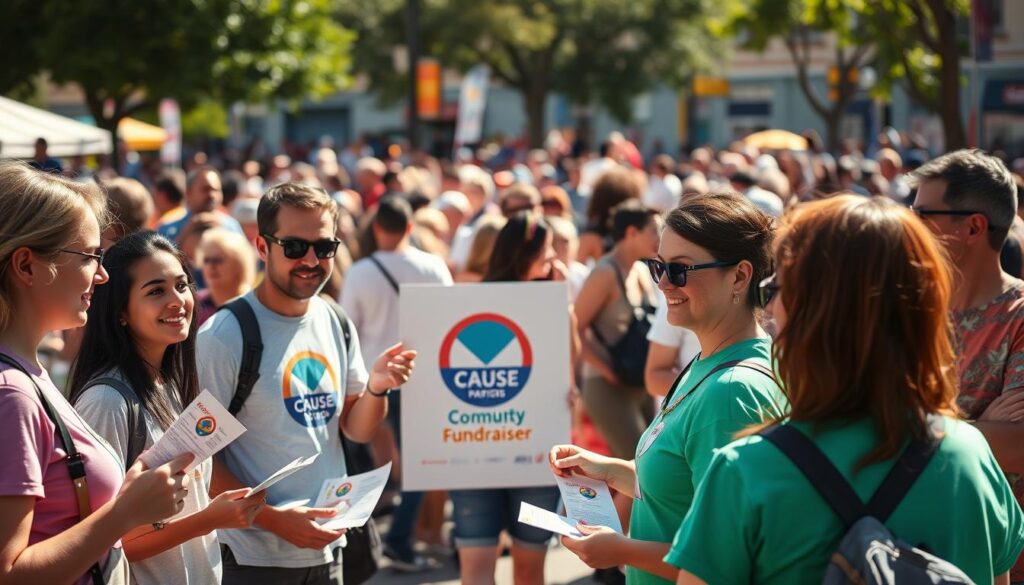
By picking a cause that fits your goals and speaks to your audience, you can make a fundraiser that works. The right cause can make your event better, bring people together, and lead to real change.
Setting Fundraising Goals: A Step-by-Step Guide
Setting the right fundraising goals is key to a successful charity fundraiser. It guides your efforts and measures campaign success.
To set realistic fundraising goals, first understand your organization’s needs and fundraiser purpose. Look at your current finances, the costs of your cause, and the impact of your efforts.
Step 1: Define Your Objective – Clearly state what you want to achieve. Whether it’s for a specific cause or community project, your goal should be clear.
Step 2: Assess Your Resources – Check what you have, like volunteers, donors, and money. Knowing your resources helps set reachable goals.
Creating a Roadmap for Success
After setting your goals and knowing your resources, create a plan to reach them. Set specific, measurable targets and outline your strategies.
By following these steps and staying focused, your charity fundraiser will likely succeed and meet its goals.
Engaging Your Audience: Tips for Effective Promotion
To make your fundraiser a success, it’s important to connect with your audience. It’s not just about telling them about your cause. It’s about building a bond that encourages them to support you.
Understanding your audience is the first step. Knowing what they like and how they communicate helps you craft a message that hits home.
Leveraging Social Media
Social media is a key tool in charity marketing. It lets you reach many people without spending a lot. Sites like Facebook, Twitter, and Instagram are great for sharing stories and visuals that show off your cause.
To use social media well for fundraising promotion, try these tips:
- Make your content shareable and fun.
- Use hashtags to get more eyes on your posts.
- Chat with your followers to keep them engaged.
- Post updates on your progress to keep spirits high.

Adding social media fundraising to your plan can grow your audience and build a community. It’s not just about the money; it’s about starting a movement.
Good promotion is essential for your fundraiser’s success. By knowing your audience and using social media, you can create a campaign that gets results.
Types of Fundraisers: Exploring Your Options
Fundraising offers many options, like charity events, nonprofit fundraising campaigns, and community projects. You can support local or global causes. Knowing the different types helps you pick the best way to fundraise.
Hosting a charity run or walk is a great idea. It raises money and boosts health in the community. An auction is also effective, selling donated items to the highest bidder.
For simpler fundraisers, try a bake sale or lemonade stand. Crowdfunding on social media is also a modern, efficient way to raise funds.
Choosing the Right Fundraiser
Think about the cause, your audience, and your resources when choosing a fundraiser. For example, a charity gala fits formal causes, while a fun run is better for youth charities.
Exploring fundraising ideas and finding what works for your cause leads to success. Your campaign will connect with your audience and meet your goals.
Building a Strong Team for Your Fundraising Efforts
Creating a united team is key for a winning fundraising campaign. A solid fundraising team can greatly help you reach your targets.
First, look at your strengths and what you have. Find out who in your group has the skills you need. This will show you who can do what.
A top fundraising team has people with different talents. You’ll need folks good at planning events, marketing, and talking to donors. Adding charity volunteers is also smart. They bring energy and a desire to help.

When you assign tasks, think about who’s best for each job. Make sure everyone knows their role and is ready to help.
Good communication is essential for a team to work well. Hold regular meetings and share updates. This keeps everyone focused and excited.
A strong team isn’t just about numbers. It’s about having the right people in the right spots. By focusing on a dedicated and skilled fundraising team, you can hit your goals and make a real difference.
Budgeting for Your Fundraiser: Keeping Track of Expenses
To make your fundraiser a success, you need a campaign budget. This budget helps you understand how much money you’ll make and spend. It’s key to knowing your event’s financial health.
First, list all ways you’ll make money, like donations and ticket sales. Then, group your costs into categories like venue rental and marketing. This way, you can find ways to save money.
When making your fundraising budget, remember these important parts:
Key Budget Components
1. Venue and Catering: This includes the cost of renting a place and food and drinks.
2. Marketing and Promotion: This covers ads, social media, and promotional stuff.
3. Logistics and Supplies: This is for equipment, materials, and staff needed for the event.
4. Administrative Costs: These are for managing the fundraiser, like staff and overheads.
It’s important to keep detailed records of your charity expenses. Use budgeting software or spreadsheets to track your spending. Regularly check your financial reports to make smart choices and adjust your budget if needed.
Good nonprofit financial planning means budgeting and planning for unexpected things. Think about financial risks and how to deal with them. This way, your fundraiser can stay on track, even if things don’t go as planned.
By planning your budget well and tracking your spending, you can make your fundraiser a big success. You’ll reach your fundraising goals.
Tracking Progress: Measuring Your Fundraising Success
It’s key to track your fundraising progress to see how well your campaign is doing. You need to set clear fundraising metrics to measure success. These metrics help you see how your campaign is doing and guide you to make changes.
Looking at the total amount raised is a main fundraising metric. It shows how successful your campaign is. But, it’s also good to watch other metrics like how many new donors you get, the average donation, and how many people donate regularly. These show if your fundraising is strong and can keep going.

Checking charity performance is more than just money. It’s also about how your fundraising helps your cause. This could be how many people you help, the services you offer, or the lasting effects of your campaigns. Looking at both money and impact helps you understand your nonprofit evaluation better.
To keep track of your progress, you need a good system for collecting and analyzing data. This could be fundraising software or spreadsheets. By regularly looking at these reports, you can find trends, see where to improve, and make smart choices to boost your fundraising.
In short, measuring your fundraising success is complex. It involves many metrics, from money to impact. By setting clear fundraising metrics and checking your progress often, you can make your strategy better. This helps improve your charity performance and reach your fundraising goals.
Thanking Donors: Recognizing Contributions
Donor appreciation is more than just saying thank you. It’s about showing real gratitude for their support. As the data shows, it’s key to keep donors by thanking them properly.
Why Donor Recognition Matters
When you thank donors, you make them feel valued. A fundraising expert says, “Donors give to causes they believe in, and they stay engaged when they feel valued.” Acknowledging their contributions builds trust and a strong bond with your donors.
“The best way to thank a donor is to make sure they feel appreciated and understood. It’s not just about the money; it’s about the impact their donation has on your cause.”
To thank donors well, try these strategies:
– Send personalized thank-you messages or emails
– Share their recognition on your website or social media
– Keep them updated on how their donation is making a difference
Using these methods, nonprofits can show their nonprofit gratitude. This builds a loyal community of supporters. Remember, charity appreciation is an ongoing effort that needs sincerity and consistent action.
Learning from Experience: Post-Fundraiser Reflection
Reflecting on a fundraiser is key to knowing what went right and what didn’t. A detailed fundraising evaluation uncovers strengths and weaknesses. This gives insights for better campaigns ahead.
Start by looking at how the fundraiser was run and its results. Check the data from the event, like how much was raised, who gave, and how people engaged. This charity reflection shows the impact of your work and where you can get better.
A deep nonprofit assessment looks at your fundraising tactics, team effort, and donor experience. Think about what helped you succeed and what was tough.
Reflecting on your fundraiser helps you improve for next time. You’ll make choices based on data to boost your fundraising. This not only sharpens your strategies but also shows you’re dedicated to getting better. It builds trust with your donors and supporters.
In short, a detailed post-fundraiser review is vital for any nonprofit. It clearly shows how the campaign did and sets the stage for better fundraising in the future.
Planning for Future Fundraising Efforts
Planning well for charity is key for any nonprofit’s long-term success. A good nonprofit strategy helps make sure your fundraising plans match your goals.
Creating a solid fundraising plan means looking at what worked before and what didn’t. It’s about finding ways to get better and setting achievable goals. This way, your organization can grow and reach its mission.
When making a fundraising plan, think about how to keep donors interested and reach out to more people. Also, consider how to run your campaigns well. These steps help build a strong plan that grows your organization over time.
By focusing on future fundraising and planning, your organization stays ready to meet its community’s needs. This leads to more impact and success for your cause.