
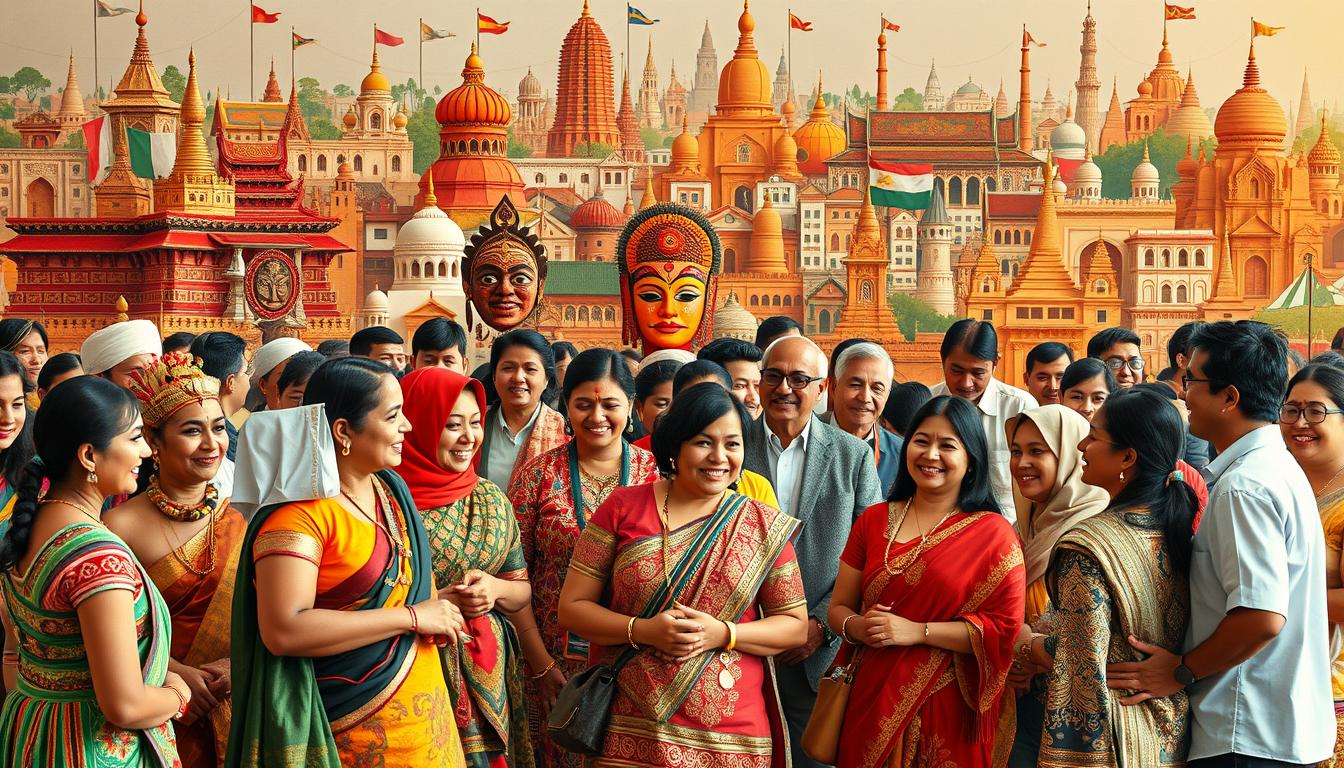
Understanding different cultural expressions is key to embracing the rich tapestry of global cultures. Learning specific terms that are unique to various societies can enhance our appreciation of their customs and ways of life.
Language is not just about communicating; it’s a gateway to cultural diversity. By familiarizing ourselves with certain cultural terms, we can gain a deeper insight into the values and traditions that shape different communities.
In this article, we will explore five significant cultural words that offer a glimpse into the diverse cultures around us. These terms will not only enrich your vocabulary but also provide a broader understanding of the world’s linguistic heritage.
Understanding Cultural Words and Their Importance
It’s key to understand cultural words to get the full picture of different cultures. These words give us a peek into a society’s culture and values. They show us the customs, traditions, and beliefs that shape a community.
Cultural words carry cultural significance. They reflect a society’s history, values, and practices. For example, words tied to cultural heritage make people feel connected and proud. Knowing these words helps us appreciate and respect different cultures more.
The language we speak is closely tied to our cultural identity. Cultural words often express complex ideas and feelings that don’t translate easily. As
“Language is the blood of the soul into which thoughts run and out of which they grow.”
This shows how language, culture, and understanding the world are connected.
Cultural words also help bridge gaps between cultures. They make it easier to understand and share ideas across cultures. By learning and valuing cultural words, we can dive deeper into the cultural heritage of many communities. This leads to a more inclusive and respectful global conversation.
In summary, cultural words are essential for grasping the richness and variety of cultures worldwide. They not only show a society’s values and customs but also help keep cultural heritage alive. They are key to fostering cross-cultural understanding.
The First Cultural Word: Ubuntu
In the heart of African philosophy lies Ubuntu, a concept that celebrates interconnectedness. Ubuntu comes from African culture, showing the value of community and mutual support.
Ubuntu is often seen as “humanity towards others” or “the belief in a universal bond of sharing that connects all humanity.” It shows how important community and the connection between people are.
The Meaning and Origin of Ubuntu
The idea of Ubuntu comes from the Nguni language in Southern Africa. It’s a complex term that includes values like compassion, reciprocity, and empathy.
At its core, Ubuntu means that a person is a person because of others. It highlights the role of community and how individuals support each other. The phrase “I am because we are” captures the Ubuntu philosophy well.

Ubuntu’s importance is in creating a sense of belonging and unity. It promotes a culture of sharing and caring, where everyone’s well-being is connected.
In a world that often focuses on individualism, Ubuntu reminds us of the power of community. It encourages us to look out for each other. Ubuntu has the power to unite people, creating a more harmonious and supportive society.
The Second Cultural Word: Sonder
In a world where we often overlook the depth of others’ experiences, Sonder reminds us of the vivid lives surrounding us.
Sonder is a term that refers to the realization that each random passerby is living a life as vivid and complex as your own. This concept encourages a profound sense of mindfulness and human connection. It prompts us to consider the multifaceted stories of every individual we encounter.
When we practice Sonder, we begin to see the world through a different lens. We start to appreciate the intricacies of others’ lives. This mindfulness practice is not just about being aware of our surroundings. It’s also about connecting with others on a more meaningful level.
By embracing Sonder, we can cultivate a more compassionate and empathetic society. It’s about recognizing that every person we meet is on their own unique journey. They have their own struggles, triumphs, and stories. As we reflect on the concept of Sonder, we are reminded of the importance of being present in our interactions with others.
In essence, Sonder is a powerful reminder of the complexity and richness of human experience. By incorporating this concept into our daily lives, we can foster a greater sense of connection and understanding. This leads to more harmonious and empathetic communities.
The Third Cultural Word: Saudade
Saudade is a special term from Portugal that mixes nostalgia and sadness. It’s a deep feeling that touches everyone in a personal way.
This feeling is like a bittersweet longing for something or someone that might never come back. It’s a complex emotion that many people can relate to.
In Portuguese culture, Saudade is very important. It shows up in literature, music, and art. It reflects the country’s history and the hearts of its people.

Saudade helps us understand the Portuguese way of life and the value of expressing emotions. It shows us the beauty of holding onto memories, even the sad ones.
By embracing Saudade, we can connect with others more deeply. It teaches us to appreciate our complex feelings. It reminds us that our emotions are what make us human.
The Fourth Cultural Word: Ikigai
The Japanese concept of Ikigai offers a unique view on life. It highlights the need to find one’s purpose and live a fulfilling life. Ikigai means “reason for being” or finding a reason to live, giving life direction and purpose.
At its core, Ikigai is about finding where your passions, skills, and the world’s needs meet. It’s deeply rooted in Japanese culture. It encourages people to live a life that’s fulfilling and helps others. Ikigai is not just a personal quest; it’s also about making a positive impact on the world around us.
Ikigai is linked to longevity and well-being. Studies show people with Ikigai have a higher sense of purpose. This can lead to a longer, healthier life. Having a reason for being motivates us to stay active and positive, even when faced with challenges.
Finding one’s Ikigai is not easy or done once; it’s a journey of self-reflection and exploration. It requires being open to new experiences, willing to learn, and patient. The journey to find Ikigai is as important as the destination.
Living by Ikigai can deeply impact our well-being and happiness. By striving to find and live according to our Ikigai, we can lead a more meaningful life. As the Japanese culture says, finding your Ikigai leads to a life full of purpose and joy.
The Fifth Cultural Word: Hygge
The Danish term Hygge captures a feeling of warmth and comfort. It’s about coziness, warmth, and being together. This creates a welcoming and comforting atmosphere.
Hygge is about enjoying the simple things in life. It’s the glow of candles, the comfort of a book, or sharing meals with family. In Denmark, it’s more than a feeling; it’s a way of life.

In Denmark, Hygge shapes the culture and how people live. It’s about making spaces warm and inviting. This is done with soft lights, cozy textiles, and warm drinks.
Hygge has become popular worldwide. People everywhere are using it to improve their lives. By adding Hygge to our daily lives, we can feel more content and well.
Embracing Hygge means valuing coziness and togetherness. It shows Danish values but also appeals to everyone. Hygge enriches our understanding of comfort and happiness.
How Cultural Words Enrich Our Language
Embracing cultural words can greatly enrich our language. It helps us understand different cultures more deeply. Cultural words are more than just terms; they open doors to the nuances, values, and histories of various societies.
Adding cultural words to our daily language makes it more diverse and rich. For example, words like “Ubuntu,” “Sonder,” “Saudade,” “Ikigai,” and “Hygge” add flavor to our talks. They give us insights into the cultures they come from. Ubuntu shows the African idea of community and connection, while Hygge is about Danish coziness and warmth.
Using cultural words enriches our language by introducing new expressions. It helps us understand the world more deeply. This diversity breaks down cultural barriers and promotes global understanding. It also keeps our linguistic heritage alive by preserving unique cultural identities.
Embracing cultural words also boosts cultural diversity. It makes our language more inclusive and diverse. In today’s world, valuing different cultures leads to better interactions and respect.
In summary, cultural words are key to enriching our language. They help us grasp different cultures and promote diversity. By using these words, we enrich our language and help build a more inclusive global community.
The Impact of Cultural Understanding
Understanding different cultures is key in today’s world. Cultural understanding helps us feel empathy and boosts global awareness. This makes us better at dealing with the world’s diversity.
Learning about various cultures helps us connect and live in harmony. It helps us see beyond stereotypes and have deeper conversations with people from other backgrounds.
Cultural understanding also changes our personal and work lives. It makes us better at talking and listening across cultures. This makes us more open and ready for the global challenges we face.
In short, valuing cultural understanding is vital. It helps us build a world that values and celebrates diversity. By doing this, we make our world more inclusive and connected.
Practical Ways to Learn Cultural Words
Learning cultural words can broaden your cultural knowledge and appreciation. Using language learning apps is a great way. These apps offer interactive lessons and exercises to help you learn and remember cultural vocabulary.
Cultural immersion is another effective approach. Surround yourself with the language and culture you’re interested in. You can do this by traveling, watching movies, listening to music, and talking to native speakers.
Reading literature from different cultures is also helpful. Books, articles, and social media posts can introduce you to new vocabulary. This makes it easier to remember and use the words correctly.
For more practice, try vocabulary building exercises like flashcards and word lists. You can also practice using new words in sentences. This helps solidify your learning.
By using these strategies, you can deepen your understanding and appreciation of different cultures. You’ll learn their unique words and expressions.
Common Misconceptions about Cultural Words
Cultural sensitivity is key to understanding cultural words, dispelling common misconceptions. Cultural words often carry rich meanings that are deeply rooted in the culture they originate from.
Many people misunderstand cultural words due to a lack of context or cultural awareness. For instance, the cultural word “Ubuntu” from African culture is often oversimplified as merely meaning “humanity towards others.” Yet, it represents a deeper philosophy of community, compassion, and interconnectedness.
Understanding Language Nuances
Language nuances play a significant role in the misinterpretation of cultural words. The word “Sonder” is a good example; it refers to the realization that each random passerby is living a life as vividly complex as your own. Without understanding this nuance, one might overlook the depth of human experience it signifies.

Cultural sensitivity is key in avoiding these misconceptions. It involves being aware of the cultural context and history behind a word. For example, “Saudade” is a Portuguese term that describes a deep emotional state of melancholic nostalgia. Knowing its cultural background helps us appreciate its significance beyond a simple translation.
The Importance of Cultural Awareness
Cultural awareness enriches our understanding of cultural words. By learning about the cultural practices, history, and values associated with these words, we can gain a deeper appreciation of their meanings.
In conclusion, common misconceptions about cultural words can be avoided by embracing cultural sensitivity and understanding language nuances. By doing so, we can foster a more inclusive and respectful appreciation of cultural diversity.
Conclusion: Celebrating Diversity Through Language
Cultural words are a powerful way to celebrate and appreciate diversity. They help us understand and connect with different cultures. This understanding is key to fostering cross-cultural connections.
The words Ubuntu, Sonder, Saudade, Ikigai, and Hygge give us unique views on life. They help us see the complexities of cultures and find common ground. This way, we can appreciate the differences and similarities between people.
Language is essential in celebrating cultural diversity. By learning and using cultural words, we deepen our understanding and appreciation. This enriches our language and helps us connect with others from different backgrounds.
In our globalized world, cultural understanding is more important than ever. Celebrating diversity through language helps us build a more inclusive and compassionate society. It’s a step towards a better world for all.