
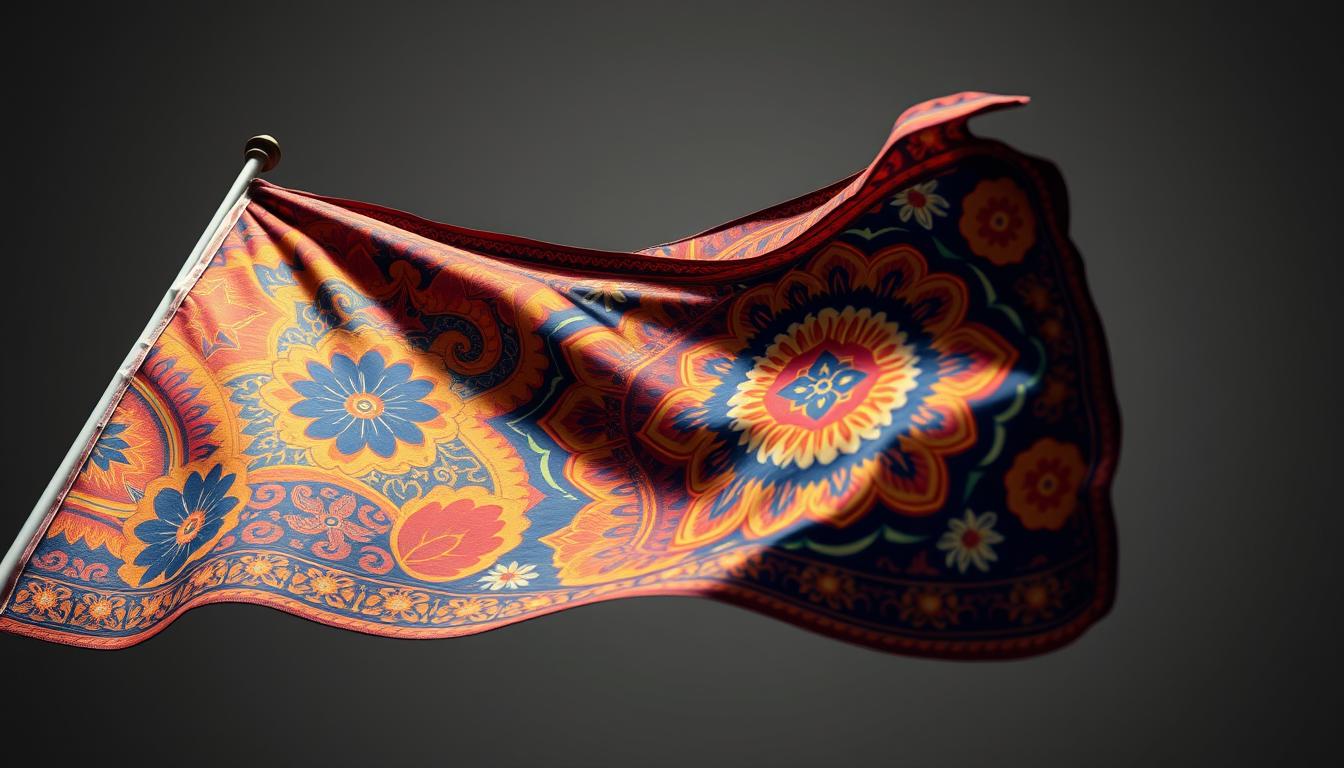
A well-designed flag can be a powerful symbol that inspires and unites a community. According to John Salmon’s article “Designing a Flag,” a good flag design should be simple, clean, and meaningful.
When creating a cultural flag, it’s essential to consider the future and the message it conveys. A flag is not just a piece of fabric; it represents a community’s identity and values.
Effective flag design can encode meaning that everyone can be proud of. It’s a vital aspect of cultural identity. By understanding the key elements of flag design, communities can create a symbol that truly represents them.
The Importance of Cultural Flags
Cultural flags are key in boosting community pride and showing cultural values. Ted Kaye, Secretary of the North American Vexillological Association, says flags are strong symbols. They inspire civic pride and act as powerful brands to outsiders.
These flags show a community’s identity through its history, values, and beliefs. They are used in cultural events and celebrations. This brings unity and pride to community members.
The design of a cultural flag is very important. It must show the cultural symbolism well. Colors, symbols, and patterns are picked to represent the culture. This makes the flag unique and meaningful to the community.
“Flags are powerful symbols that can inspire civic pride and serve as powerful brands to the outside.”
By showing flag representation, communities can strengthen their identity and cultural heritage. Cultural flags also help in promoting tourism and cultural exchange. They become symbols of a community or region.
In summary, cultural flags are essential in showing a community’s cultural values and boosting community pride. They are more than symbols; they are powerful tools for cultural expression and identity.
The Elements of Flag Design
A great flag design is simple and easy to understand. John Salmon says keeping logos and shapes simple is key. Complex designs are hard to use in everyday life.
A good flag has simple logos and clean design. Simple logos are easy to remember. This makes the flag work well in different sizes and places.

Flags should not be too busy or hard to understand. Too much on a flag can confuse people. Clean design makes flags look good and have meaning.
To keep designs clean, use few colors and shapes. A flag should have three to four colors max. This keeps it simple and easy to see from far away.
Using simple shapes like circles and triangles helps too. These shapes are easy to understand and carry deep meanings in many cultures.
In short, the best flags are simple and clean. Simple logos and avoiding too much clutter make flags meaningful and nice to look at.
Historical Context of Cultural Flags
Flags have been symbols of cultural identity for centuries. The history of cultural flags is complex, showing how communities have expressed their identity over time.
The design of flags has changed with cultural and historical events. Ted Kaye notes that over 400 cities have adopted new flags. This shows a big change in how cities show their cultural identity.Cultural heritage is key in flag design. Flags often use colors, symbols, and emblems that are important to a community’s history and culture. These elements reflect the community’s values and history.
The significance of cultural flags can be seen in their ability to represent a community’s identity. They show a community’s history, values, and hopes. So, flags are more than symbols; they are powerful ways to show cultural identity.
The history of cultural flags also shows how cultural identity changes. As communities grow, their flags change too. This reflects changes in values and cultural heritage.
In conclusion, the history of cultural flags gives us insight into cultural identity and heritage. Understanding flag design history helps us see the importance of cultural flags today.
The Role of Cultural Flags in Communities
Cultural flags are powerful symbols that bring communities together. They make people feel like they belong. Ted Kaye, an expert in flag design, says a good flag boosts city branding and pride.
A flag’s design is more than looks; it’s about capturing the community’s spirit. A good flag is simple, uses basic colors, and has clear symbols. These elements make the flag a symbol of unity.
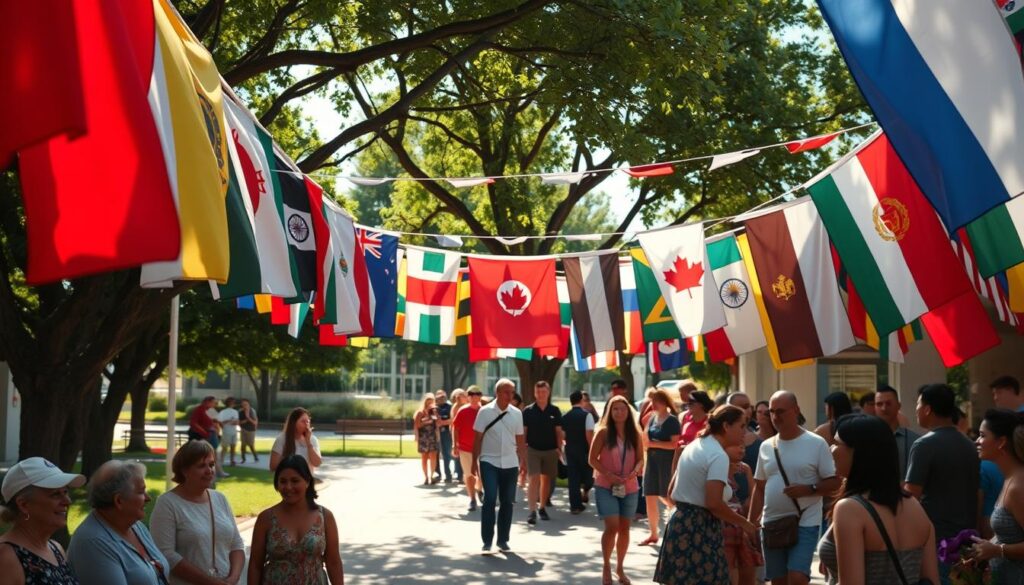
Flags are seen at community events, parades, and festivals. They show community pride. Kaye believes a well-designed flag can become a symbol of community spirit.
“A flag is a symbol of identity, a mark of distinction, and a representation of the values and history of a community.”
Flags do more than just symbolize; they build communities and encourage people to get involved. They show what a community stands for, making people proud to be part of it. This pride can lead to more people joining local events and projects.
In short, cultural flags are key in building community pride and identity. Their design and display unite people and boost civic engagement. As communities change, the role of cultural flags will grow even more important.
Designing Your Own Cultural Flag
Designing a cultural flag is all about keeping it simple, using symbols that mean something, and getting the community involved. The North American Vexillological Association has five key principles for flag design. These can help make a flag that’s both beautiful and full of meaning.
Five Principles of Good Flag Design
The North American Vexillological Association’s principles aim to create flags that are both eye-catching and meaningful. These principles include:
Keep it simple: A simple design is easier to remember and recognize. Make sure the flag looks good in different situations.
Use meaningful symbolism: The symbols and colors on the flag should have a clear meaning. This meaning should connect with the community it represents.
Use two or three basic colors: Using a few colors makes the flag stand out and easier to print.
No lettering or seals: Adding text or seals can make the design messy. It also limits how versatile the flag can be.
Be distinctive or be related: The flag should either be unique or closely tied to the community’s identity. This helps avoid confusion with other flags.
Getting the community involved in flag design is key. It ensures the flag truly represents the community’s identity and values. It also helps build a sense of unity and ownership among community members.
“A flag is a symbol of identity, and its design should reflect the values, history, and culture of the community it represents.”
By sticking to these principles and involving the community, the cultural flag will be a true reflection of the community’s heritage and spirit.
Case Studies of Successful Cultural Flags
Cultural flags show how design can unite people. They are more than pretty pictures; they carry deep meaning. This meaning is what makes them special to the communities they serve.
The Louisville, KY flag is a great example. It’s simple yet full of meaning. Ted Kaye says it’s a top city flag. Its bold design makes it stand out.

Portland, OR, and Denver, CO, also have flags that work well. They use symbols and colors that mean a lot to their cities. For example, Portland’s flag shows the city’s values clearly. Denver’s flag reflects the city’s history through its colors and patterns.
“A good flag design is not just about aesthetics; it’s about creating a symbol that tells a story and fosters community pride.”
Looking at these examples, we see why good design matters. It helps create flags that truly represent their communities. Designers can learn a lot from these successful flags. They show us the power of simple designs and meaningful symbols.
The Process of Flag Creation
Getting the community involved is key in making a flag that truly represents them. Ted Kaye says that when everyone, including students and families, gets involved, it makes the process enjoyable.
The first step is to learn about the community’s history, values, and culture. This is done through public meetings, surveys, and workshops. Here, people can share their thoughts and ideas.
Public engagement is essential at this stage. It ensures the flag shows what the community values and hopes for. This makes the design process more open and inclusive, making everyone feel like they own the flag.
Then, the ideas and feedback are turned into a design. It’s a mix of creativity and making sure it represents the community well. The goal is to create something beautiful and meaningful.
Involving students and families in the design makes it fun and educational. It teaches them about cultural heritage and the importance of symbols.
By being open and inclusive, communities can make flags that are symbols of pride and unity.
The Impact of Technology on Flag Design
Digital tools have changed how we design flags, making it easier and more varied. With flag design software, designers can now make complex designs that were hard to do by hand.
Pacon Creative Products’ article “Make A Flag About Me” talks about using digital tools like Wet N’ Stick Art Tape. It makes designing flags more creative and precise. Designers can try out different colors, patterns, and symbols.
Digital tools have made designing flags easier and opened up new possibilities. Software now has many templates, design elements, and editing tools. These can be customized for different cultures or communities.
“The use of technology in flag design has democratized the process, allowing more people to participate in creating flags that represent their culture or community.”
The impact of technology on flag design is big. It has led to more detailed designs, involved more people, and made production faster and more accurate. Now, flags can be made and designed more efficiently.
In summary, digital tools have changed flag design, bringing new chances for creativity, precision, and community involvement. As technology keeps improving, flag design will likely become even more diverse and true to the cultures it represents.
Celebrating Flags in Cultural Events
Flags are key in cultural celebrations, showing a community’s values and traditions. John Salmon says flags mark cultural events and stand for cultural values. This is seen worldwide, where flags show unity, pride, and heritage.
Flag Traditions and Practices
Every culture has its own flag traditions. For example, on national days, flags are paraded to show national pride. In other cultures, flags are used in religious events, showing spiritual beliefs and values.
Cultural Significance of Flags
Flags mean a lot culturally. They show a community’s history and values and bring people together. At festivals and parades, flags are everywhere, building community and shared identity.
Promoting Community Pride
Flags also boost community pride. By showing flags, communities share their heritage and identity, strengthening bonds. This helps keep traditions alive for future generations.
In summary, flags are essential in cultural events, symbolizing heritage and pride. They help represent and preserve cultural identity through celebrations and traditions.
The Global Perspective on Cultural Flags
Across the world, flag design is changing. It’s influenced by global trends and local cultures. Ted Kaye notes that many cities are updating their flags. This shows a wider global perspective on cultural identity.
The international flag design trends are not just pretty. They also hold deep cultural meaning. These designs mix old traditions with new styles. This creates flags that are both meaningful and eye-catching.

Cultural flag trends are shaped by many things. These include history, community input, and new tech. So, flags now better show the diversity of their communities.
The global perspective is clear in local flag design. Simple, bold designs are becoming common. This shift to simplicity makes flags easier for more people to understand.
In summary, the global view on cultural flags shows how design and culture mix. As cities update their flags, it’s key to focus on thoughtful, inclusive designs.
Environmental Considerations in Flag Production
The way cultural flags are made is changing. This change is because people want products that are better for the planet. Manufacturers are now making greener flags to meet this demand.
Choosing the right materials is key in flag production. Old flag materials harm the environment because they’re made from synthetic stuff. Now, many are using eco-friendly materials like recycled polyester and organic cotton.
Sustainable flag production means using green materials and making flags in a way that’s good for the planet. This includes cutting down on waste and using less energy. Some companies even make flags that can be recycled or break down easily.
“The future of flag production lies in sustainability. By adopting eco-friendly materials and practices, we can significantly reduce the environmental footprint of our products.” –
The move to sustainable flag production is not just a trend. It’s a must for the planet. As we face big environmental issues, industries must change. The flag industry is doing this by using eco-friendly stuff and ways to make flags.
In short, environmental considerations are key in making cultural flags. By using green materials and methods, makers can help the planet. This is a big step towards a greener future.
Future Trends in Cultural Flag Design
The world of cultural flag design is changing fast. New technologies and changing values are driving these changes. As communities grow and change, their flags must too.
Designers are adding dynamic elements to flags. This makes them more flexible and able to show off diverse cultures. Thanks to digital printing and display tech, this is now possible.
Going forward, flags will also focus on being green and eco-friendly. Using materials and methods that are good for the planet is becoming key. This shows a bigger effort to protect our environment.
The future of cultural flag design will mix old traditions with new tech. By using these new trends, communities can make flags that honor their past and speak to the future.