
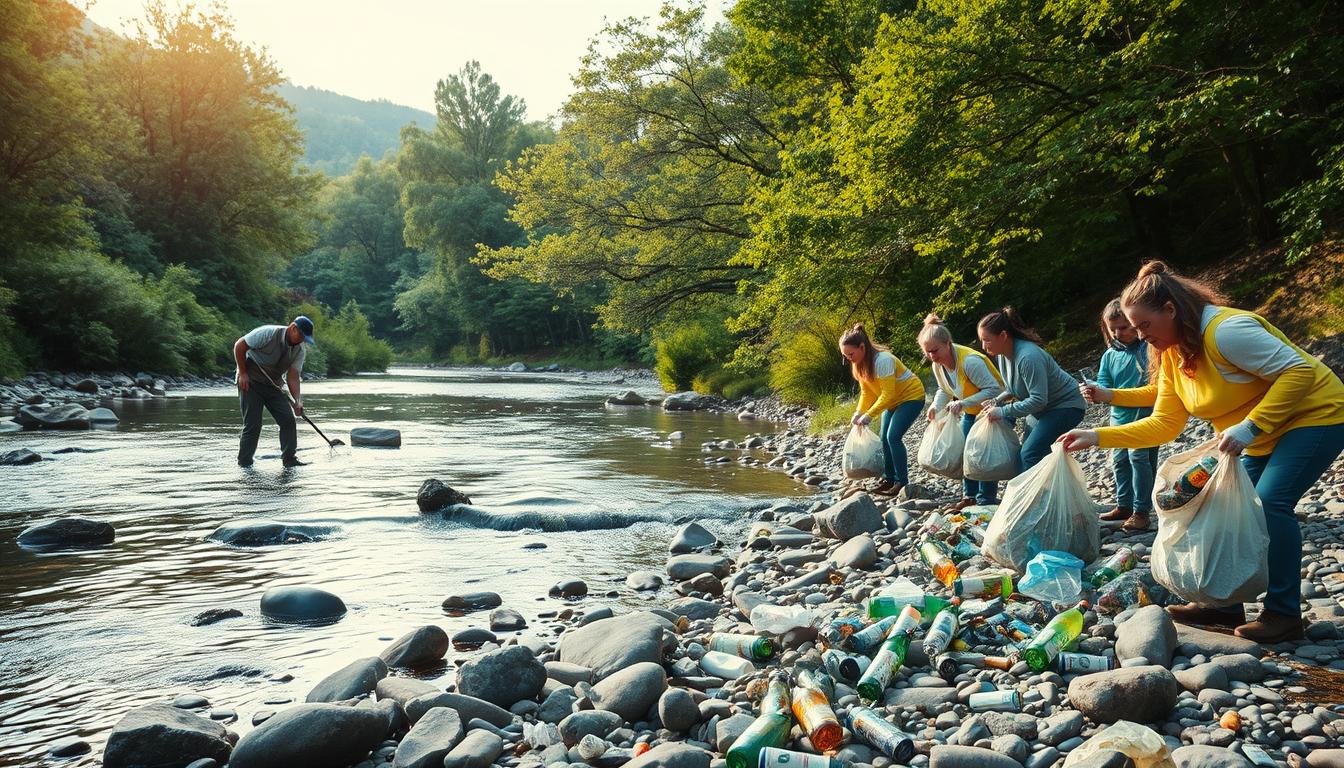
Streams and rivers play a vital role in our ecosystem. They support many types of wildlife and feed into larger water bodies. Keeping these waterways free from pollution is very important.
Every stream is worth keeping clean. They all feed into bigger rivers.
This article will look at why river conservation is important. We’ll also talk about common pollution sources and how to organize a stream cleanup. By understanding our impact, we can work towards a cleaner, healthier environment.
Understanding the Importance of Clean Rivers
Clean rivers are vital for a healthy river ecosystem. They are more than just water; they are life sources for many plants and animals.
As one might say, “even the biggest rivers are fed by small creeks, so every stream is worth keeping clean.” This shows how connected all water bodies are. Keeping stream health is key.
“The health of our rivers is a reflection of the health of our planet.”
Clean rivers are good for the ecosystem. They offer homes to many species, help control the weather, and provide clean water for drinking, farming, and industry.
Pollution harms rivers, affecting water quality, biodiversity, and ecological balance. Polluted rivers can destroy habitats, lead to species loss, and harm human health.
So, it’s important to understand the value of clean rivers. Protecting them means protecting our planet and securing a sustainable future.
Common Sources of River Pollution
Pollution in rivers comes from many places, like farms and factories. Rivers are key for many plants and animals. But, they face many dangers.
Farms are a big problem for rivers. Fertilizers and pesticides from farms can get into rivers. This can cause eutrophication and harm animals living in the water. Too many nutrients can lead to algal blooms, which kill fish and other water creatures.
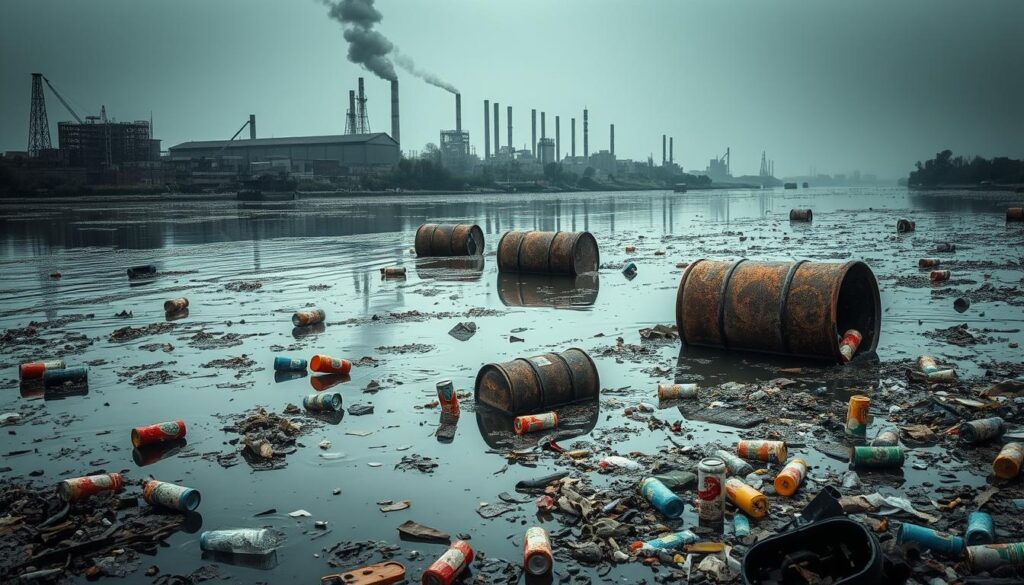
Factories also pollute rivers. They often dump waste into rivers without treating it. This waste includes harmful chemicals and heavy metals. These can destroy the balance of the river’s ecosystem and harm people’s health.
Household waste is another big issue. Sewage from homes and cities can get into rivers. It carries harmful bacteria, nutrients, and other pollutants. This harms water life and can make people sick.
Pet waste, sediment, oil, and car fluids also pollute rivers. They get into rivers through stormwater runoff. These pollutants can harm the river and affect people’s health.
Knowing where pollution comes from is key to fixing it. By tackling these sources, we can make rivers cleaner. This helps both the environment and people living nearby.
The Negative Effects of Pollution on Wildlife
River pollution is a big threat to many aquatic species. Pollutants in rivers harm habitats, making it hard for wildlife to live.
Pollution affects wildlife in many ways. Chemicals from farms can make water quality worse, harming fish and other sea creatures. Also, plastic and other trash can hurt or kill animals that get stuck or eat it.
Consequences for Biodiversity
Pollution is causing a big loss of biodiversity. When animals live in polluted places, their numbers go down or they disappear. This hurts not just the animals but also the whole ecosystem.
Ecosystems need a balance between species. Pollution messes with this balance, changing how populations work. For example, losing a key animal can affect the whole food chain.
Studies show that pollution harms streams and the animals that need them. This shows we must act fast to protect wildlife and keep ecosystems healthy.
To help wildlife, we need to use cleaner ways of living. We should have stricter rules on industrial waste and support green farming. We also need to teach people why keeping water clean is important.
Community Involvement in River Cleanup Efforts
Getting the community involved is key to cleaning up rivers. When people from the area come together, it makes the environment better. It also builds a sense of community and shared duty.
Organizing a Successful Cleanup Event
To host a great river cleanup, several steps are needed. First, recruit volunteers from the area. Use social media, local papers, and community boards to spread the word. Working with local businesses, schools, and green groups can also help.
Choosing the Right Location
Picking the right spot for the cleanup is important. Look for areas with lots of pollution or easy access. Make sure to get the right permissions from local authorities or landowners first.
Promoting the Event
Good promotion is key for a big turnout. Use social media platforms to make event pages and share news. Also, create catchy posters and flyers to hand out in local spots.
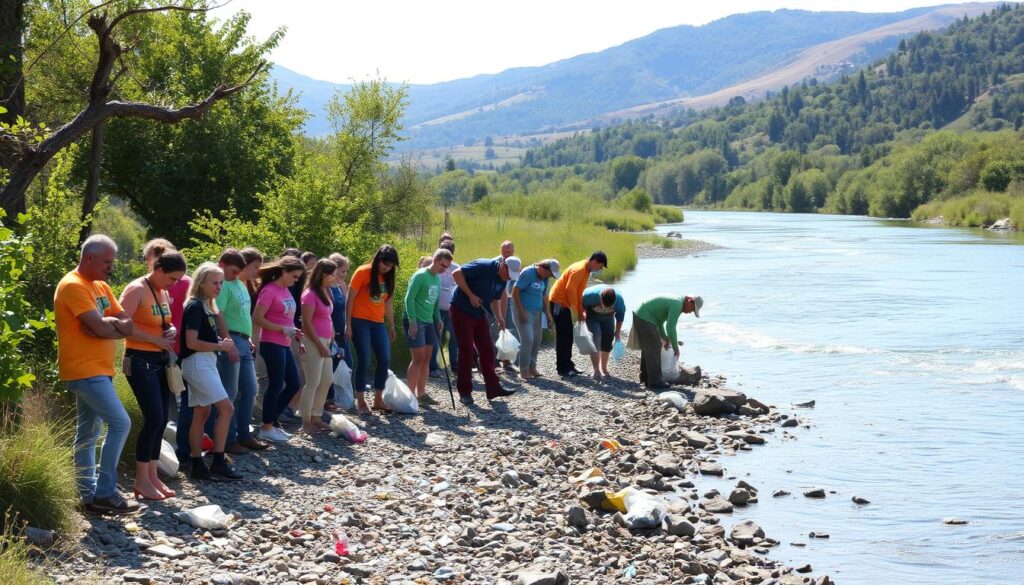
Being part of river cleanup efforts has many benefits. It helps clean the river and teaches people about river conservation. It also lets community members work together towards a goal.
By participating in river cleanups, communities can greatly improve their environment. It’s a step towards a cleaner, healthier river for the future.
Steps to Organize a River Cleanup
Organizing a river cleanup requires careful planning. It’s important to make sure the cleanup is effective and safe for everyone involved.
Planning the Cleanup is the first step. You need to pick a good location, considering how easy it is to get to and the level of pollution. Also, choose a date and time that most volunteers can make, avoiding bad weather.
After picking a location and date, gathering supplies is next. You’ll need gloves, trash bags, litter pickers, and first aid kits. You might also need boats or safety vests for a big event.
On the day of the cleanup, executing the plan is key. Start with a briefing for volunteers, explaining their tasks and safety rules. Divide volunteers into teams to cover all areas.
During the cleanup, sort waste into recyclables, non-recyclables, and hazardous waste. This helps dispose of waste properly and shows what pollution types are present. It guides future cleanups and policy changes.
After the cleanup, hold a debriefing session. It helps figure out what went right and what didn’t. It’s also a chance to thank volunteers, keeping them involved in future cleanups.
Successful Case Studies of Clean Rivers
Stories of river cleanups show the strength of community and conservation. Groups like American Rivers and the Chesapeake Bay Foundation lead these efforts. They use strategies that greatly improve river health.
The Chesapeake Bay cleanup is a key example. It’s a big deal because of its history and importance to nature. The Chesapeake Bay Foundation has worked hard to cut down pollution and fix habitats. They’ve made big strides in making the water better and increasing wildlife.
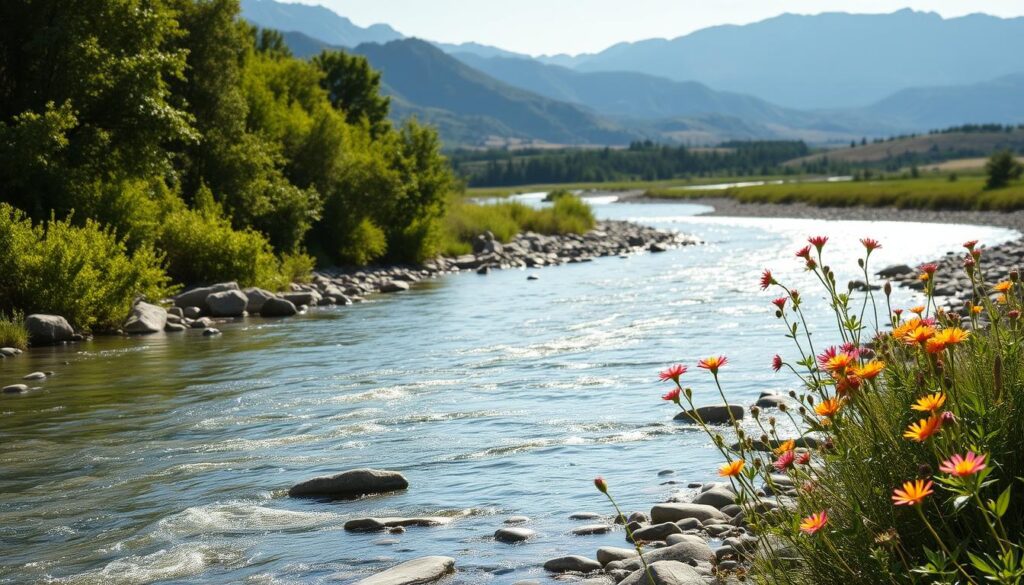
The Anacostia River in Washington D.C. is another success story. People, government, and groups worked together to clean it up. Now, the river has less pollution and is healthier. This effort also taught people why rivers are important.
“The cleanup of our rivers is not just an environmental issue, it’s a community issue. When we clean up our rivers, we’re not just improving the environment, we’re improving the quality of life for the people who live nearby.”
These examples show that cleaning rivers is possible with the right effort. They offer lessons for other places to follow. This helps communities work on their own river cleanups.
Looking at these successes, we can see what made them work. Key factors include getting local people involved, reducing pollution, and fixing habitats. These lessons will keep inspiring river conservation efforts nationwide.
Sustainable Practices for River Maintenance
The key to keeping rivers healthy is using long-term sustainable practices to stop pollution at its source. This way, we can protect our rivers for future generations.
One effective way to keep rivers clean is by reducing pollution through sustainable actions. This means throwing away hazardous items like chemicals and batteries correctly. Environmental experts say, “Proper waste disposal is key to stopping river pollution.”
“The way we manage our rivers today will determine the health of our environment tomorrow.”
Using green technologies is another strategy. For example, installing rain barrels helps collect rainwater, reducing stormwater runoff that pollutes rivers. Communities can also use green roofs and permeable pavements to lessen polluted runoff.
Also, promoting sustainable agricultural practices helps a lot. Practices like crop rotation, buffer strips, and using less fertilizer and pesticides reduce pollutants in rivers.
Getting the community involved is also vital. Organizing clean-up events and teaching people about river conservation helps build a sustainable culture. This way, communities can take care of their rivers better.
In summary, using sustainable practices is key for our rivers’ long-term health. By working together to cut down pollution and use green technologies, we can keep our rivers clean and healthy for the future.
Engaging Policymakers for Clean Water
Policymakers have a big role in keeping our rivers healthy. Their choices on land use, conservation, and water management affect our waterways. It’s important to work with them to keep our water clean and sustainable.
Advocacy is key in getting policymakers to listen. By sharing the need for clean rivers and the problems they face, we can push for better policies. This means contacting officials and taking part in public discussions about policy changes.
Joining forces with other groups is a smart move. A strong coalition can better advocate for clean water policies. This shows policymakers that many people support these efforts.

Also, voting for leaders who care about the environment is powerful. Environmental advocates stress the importance of choosing leaders who support land use and conservation policies. This helps protect our waterways.
It’s also important to keep up with water conservation laws and proposals. Knowing what’s happening lets us give specific feedback to policymakers. This helps support policies that help our rivers and oppose those that might harm them.
Through advocacy, voting, and staying informed, we can shape clean water policies. This collective effort is essential for keeping our rivers healthy for the future.
Educational Programs on River Health
Teaching people about river health helps cut down pollution and boost water quality. Educational programs are key in spreading the word about clean rivers and the harm pollution causes.
Many places offer programs to help people, including kids, keep their local streams clean. These educational programs encourage community action and teach the value of caring for river health.
These efforts bring communities together for river cleanups and teach sustainable habits. By getting the public involved, we can keep our rivers healthy for years to come.
Adding environmental education to school lessons can shape the next generation. It teaches them about conservation and how they can protect our water.
Future of River Conservation Initiatives
The future of river conservation is key to keeping our waterways healthy. New trends in river conservation include using cutting-edge technologies and community-led projects. These methods are set to be major players in the river conservation scene.
One big challenge is tackling pollution and habitat loss. We need to keep working to safeguard our rivers from these dangers. Success stories show that when communities, groups, and governments team up, rivers can flourish.
To tackle these challenges, we must stay dedicated to river conservation. By adopting new trends and working together, we can secure a better future for our rivers. The ongoing effort to protect rivers is critical, as they are essential for both wildlife and people.