Exploring traditional dance is fascinating. It’s a great way to learn about different cultures and their rich heritage.
Trying a traditional dance can improve your dancing skills. It also helps you understand the cultural significance of the movements. This can be a fun and engaging way to connect with others who share similar interests.
Learning a cultural dance has many benefits. It can improve your physical fitness and coordination. It also helps you appreciate the cultural context in which it was developed.
What Is Traditional Dance?
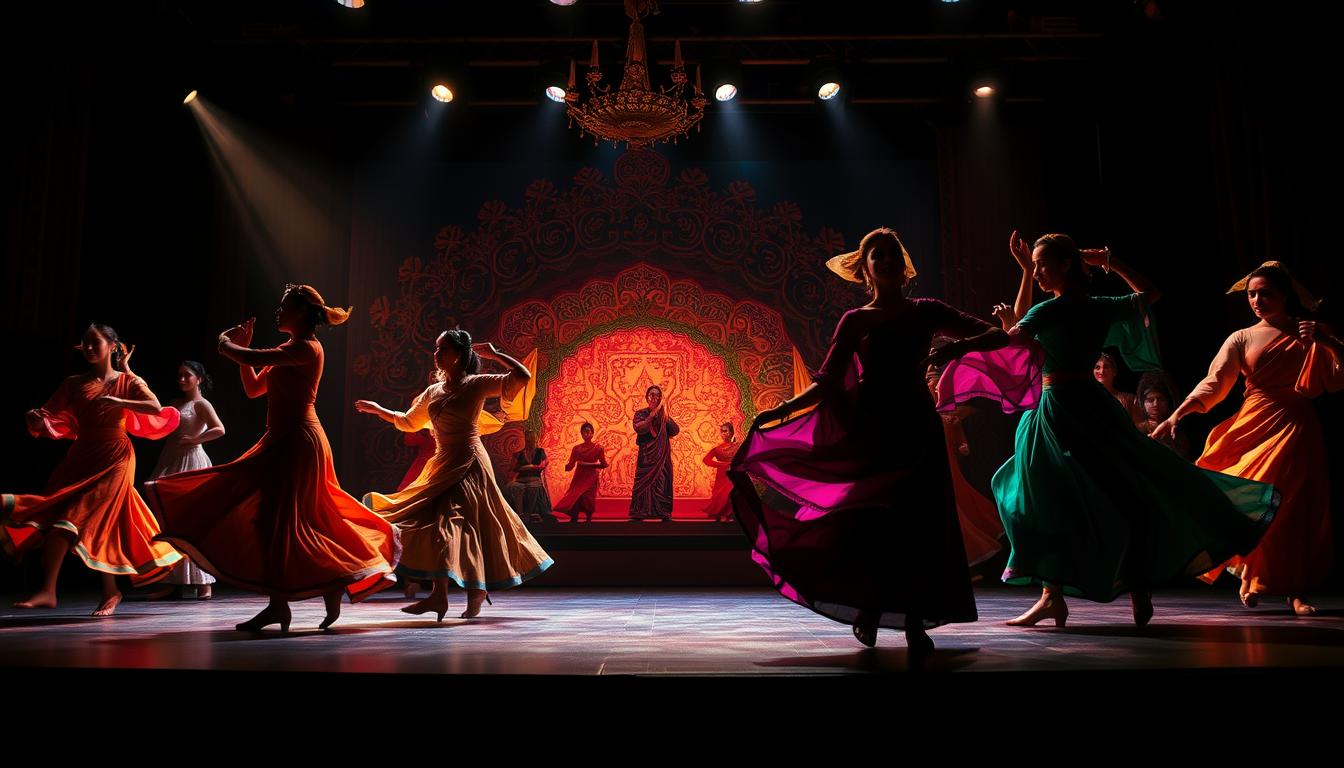
Traditional dance is about keeping cultural traditions alive. It’s dances passed down through generations. These dances show the culture and traditions of a specific area.
It’s not just a way to express oneself. It connects people to their heritage and cultural identity. Through dance, music, and costumes, it tells stories of a community’s history and myths.
The cultural significance of traditional dance is huge. It brings people together and promotes cultural understanding. It’s a key part of cultural festivals and celebrations, linking the past to the present.
Learning and participating in traditional dance helps appreciate a community’s cultural heritage. It’s a powerful tool for cultural exchange and education. It fosters respect and understanding among different groups.
Types of Traditional Dances
The world is full of traditional dance styles, each with its own story and place in history. These dances are more than just fun. They help keep our cultural heritage alive and pass it on to others.
Diversity is a key part of traditional dances. For example, Mexican folklórico is known for its bright costumes and lively steps. It shows Mexico’s rich cultural past. On the other hand, Tahitian dances are fast and full of hip movements, telling stories of Polynesian culture and nature.
Regional Traditional Dances
Regional dances are tied to local traditions and history. West African dances are famous for their complex rhythms and energetic moves. They’re often seen at big cultural events. In Hawaii, hula dances are known for their elegant hand movements and storytelling, showing the islands’ rich myths.

These traditional dance styles do more than entertain. They teach us about the cultures they come from. They’re a powerful way for communities to share their stories and traditions with the world.
Exploring regional traditional dances helps us understand the world’s cultural variety. Each dance is shaped by its region’s history, geography, and customs. This makes traditional dance a rich and varied field.
The History of Traditional Dance
The history of traditional dance is filled with cultural heritage and community identity. For centuries, these dances have been passed down through generations. They serve as a vital link to the past and a way to preserve cultural traditions.
Traditional dances come from the customs and rituals of various societies. They were often performed at important events like harvest festivals, weddings, and religious ceremonies. Over time, they evolved, influenced by social, cultural, and historical factors. For example, Native American dances are deeply connected to their spiritual practices and storytelling.
Traditional dance has also adapted to changing societal norms and cultural exchanges. As communities interacted and migrated, their dance forms were influenced by new ideas and practices. This cross-cultural exchange made traditional dances more complex and nuanced.
The Role of Oral Tradition
A key part of traditional dance history is oral tradition. Dances were taught from one generation to the next through observation, imitation, and oral instruction. This method not only preserved the dance forms but also allowed for subtle variations and innovations over time.
Cultural Preservation and Revival
In recent years, there’s been a renewed interest in preserving traditional dance forms. Efforts to document, teach, and perform these dances have helped keep them alive. Cultural festivals and dance workshops play a key role in this preservation, allowing communities to come together and celebrate their heritage.
The history of traditional dance shows the power of cultural expression and community. By understanding and appreciating this history, we can better value the significance of these dances in our lives today.
Benefits of Learning Traditional Dance
Learning traditional dance has many benefits. It boosts both cultural awareness and dancing skills. It helps people understand different cultures and their heritage.
One key benefit of traditional dance is its role in promoting cultural awareness. It introduces learners to the history and values of various cultures. This leads to greater appreciation and respect for cultural diversity.

Learning traditional dance also improves dancing skills. It enhances flexibility, balance, and physical fitness. Plus, mastering traditional dances boosts confidence in dancing.
Another advantage is connecting with a community of dance enthusiasts. Traditional dance classes and events are great for sharing passion and celebrating cultural heritage.
In summary, learning traditional dance offers many benefits. It enhances cultural awareness and improves dancing skills. It’s a rewarding experience for people of all ages.
Traditional Dance and Community
In many cultures, traditional dance is more than just a form of expression. It’s a vital thread that weaves the community together. People from diverse backgrounds come together, fostering a sense of unity and belonging.
The role of traditional dance in building dance connections within a community cannot be overstated. It provides a common ground where individuals can share their cultural heritage. This creates a richer, more vibrant community fabric. As people gather to dance, they also share stories, traditions, and values, strengthening community bonds.
Traditional dance events and festivals serve as important gatherings that promote social cohesion. These events are not just entertaining; they are vital for preserving cultural identity. Young and old come together to learn, perform, and celebrate their heritage, ensuring that traditional dances continue to thrive.
The traditional dance community is a dynamic, inclusive space where everyone is welcome to participate. It encourages cultural exchange, understanding, and respect among community members. By engaging in traditional dance, individuals not only learn about their own culture but also gain appreciation for the diverse cultures represented within their community.
In essence, traditional dance is a powerful tool for community building. It bridges gaps between different age groups, cultures, and backgrounds. This creates a more harmonious and connected community. As we continue to embrace traditional dance, we also nurture the dance connections that make our communities stronger and more resilient.
Popular Traditional Dances in the U.S.
The U.S. is filled with vibrant traditional dances. These dances show the country’s diverse cultural heritage. They also help shape American culture.
Mexican folklórico and Irish step dancing are very popular. Folklórico is known for its bright costumes and lively steps. Irish step dancing is famous for its complex footwork.
These dances bring people together and create a sense of community. They are a big part of cultural festivals in America. By joining in, people connect with their roots and add to the U.S.’s cultural richness.
In summary, popular traditional dances are key to American culture. They celebrate diversity and community. As the U.S. remains a mix of cultures, these dances will keep being important.
How to Get Started with Traditional Dance
Starting with traditional dance opens a world of lively movements and rich history. The first thing to do is find a dance class that interests you. Look for classes at local centers, cultural groups, or online.
When looking for dance classes, think about the type of dance you want to learn. Each dance, like ballet or folk, has its own history and style. Choose classes for beginners to learn the basics and grow your skills.
Be patient as you start. Traditional dance is hard and needs commitment. Start with short practice sessions and slowly increase time as you get better.
It’s also key to dive into the dance’s culture. Knowing the history and culture makes your learning more meaningful. Go to workshops, watch shows, and join the community to enrich your experience.
Lastly, don’t worry about making mistakes. Traditional dance is a journey of learning. With hard work and good guidance, you’ll join a lively community that loves dance as much as you do.
Preparing for Your First Class
Starting your traditional dance journey is exciting. Knowing what your first class will be like is important. Being ready makes your experience better.
Attire is a big deal. Traditional dances have their own dress codes. Check with your studio or teacher about what to wear. Comfortable clothes that let you move easily are best.

Knowing the etiquette of a traditional dance class is key. Be respectful to your teacher and classmates. Arrive on time and be ready to learn.
Lastly, keep an open and positive attitude. Traditional dance classes can be tough but very rewarding. Being open to learning and making mistakes will make your experience better.
Being prepared and having the right mindset makes your first traditional dance class great. It sets you up for success in your dance journey.
The Role of Music in Traditional Dance
Music is key in traditional dance, setting the stage for expression. It’s not just background; it shapes the dance, guiding the dancer’s moves and feelings. This makes the performance truly special.
Music sets the mood and pace in traditional dance. Each dance has its own music, rich with cultural meaning. For example, in many African cultures, drumming is a vital part. It gives rhythm and tells stories.
Music does more than just provide rhythm; it stirs emotions and connects dancers with their audience. The music’s tempo and melody vary greatly, showing the dance’s diversity. For example, Asian dances often have slow, sad tunes, while Latin American dances are full of energy.
The music used in traditional dance also holds deep cultural value. It mirrors the community’s history, values, and traditions. By understanding the music, we learn more about the dance and the culture it comes from.
In summary, music is essential in traditional dance, enriching the experience and connecting us to cultural heritage. Whether it’s African drums or European folk melodies, music is at the heart of traditional dance’s beauty and expression.
Preserving Traditional Dance
Traditional dance is key to cultural identity. It lets communities share their history, values, and traditions. Preserving traditional dance keeps alive the cultural heritage of a community.
Efforts to save traditional dance include documenting, educating, and engaging communities. Many groups and cultural spots are recording and saving these dances for the future. Workshops and classes teach these dances, helping them live on.

Support is vital for keeping traditional dance alive. This means giving money, joining cultural events, and telling others why these dances matter. This way, we help cultural heritage grow and change.
Keeping traditional dance alive is a team effort. It needs communities, groups, and individuals working together. Together, we can keep the spirit of traditional dance alive, preserving cultural heritage for years.
Experiences from Dancers
Traditional dancers’ stories show how dance can bring people together and inspire them. Their experiences highlight the diversity and richness of traditional dance in our lives.
For many, traditional dance is more than just a way to express themselves. It’s a way of life. Dancers often share how it has helped them connect with their heritage and find a sense of community. For example, salsa dancing has opened doors to cultural exploration for many. It lets them experience the vibrant rhythms and movements of Latin American culture.
One dancer says, “Traditional dance has been a journey of self-discovery and growth. It’s allowed me to connect with my roots and express myself in ways I never thought possible.” This shows the profound impact of traditional dance on individuals, fostering a sense of belonging and identity.
These dancer stories also highlight the role of traditional dance in building community. Through dance, people from different backgrounds come together, united by a shared passion. This communal aspect is a hallmark of traditional dance, making it a powerful tool for social bonding.
In conclusion, the experiences of traditional dancers offer valuable insights into the significance of this art form. By sharing their stories, we gain a deeper appreciation for the role of traditional dance in enriching lives and fostering community.
Conclusion: Embracing the Dance Tradition
Traditional dance is more than just a way to express ourselves. It connects us to our cultural roots. By embracing this tradition, we celebrate the rich history and diversity it brings.
Different traditional dances, like folk and classical, offer a glimpse into the past. They show us the customs and values of various communities. Learning and appreciating these dances helps keep their cultural importance alive.
When we take part in traditional dance, whether through classes or community events, we keep it alive. We also pass it on to the next generation. This ensures the dance tradition continues to grow.
In short, traditional dance is key to our cultural identity. By embracing it, we deepen our understanding and appreciation of our shared heritage.