
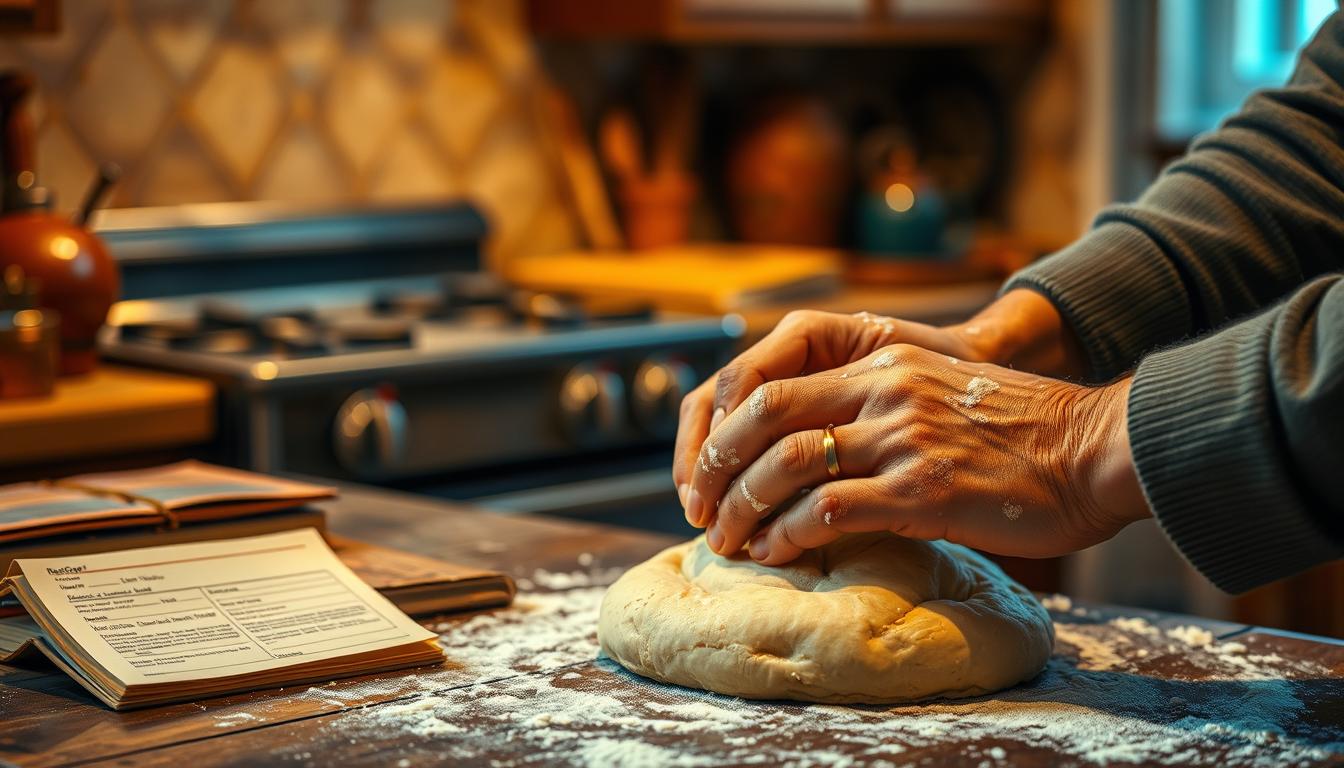
For many of us, certain dishes bring back memories and connect us to our heritage. Heather Nice’s story shows how a family recipe can unite generations.
Heather’s story shows the deep emotional value of keeping these culinary traditions alive. Sharing a family recipe is more than passing down a recipe. It’s about strengthening family ties.
Cooking and sharing meals is a universal language. It’s understood by people of all ages. It’s a way to honor our roots and make new memories with our loved ones. Through the food we share, we keep the spirit of our ancestors alive.
The Origins of Our Family’s Culinary Tradition
Our family’s culinary tradition is filled with love, culture, and tradition. For generations, we’ve cherished recipes that share stories of their own.
These recipes started from necessity, using what our ancestors had. They grew into a family culinary tradition that brought comfort and a sense of belonging.
The origins of our recipes are as varied as our family members. They show our cultural heritage and geographical roots, making each dish special.
Keeping these family culinary traditions alive is key. They connect us to our past and are a legacy for the future. By cooking and sharing these recipes, we honor our ancestors.
Grandmother’s Kitchen: Where the Magic Began
In the heart of our family’s history, a special place stood out. Grandmother’s kitchen was filled with love, laughter, and the scent of fresh cookies. It was here that our family traditions started, and memories were made around the stove.
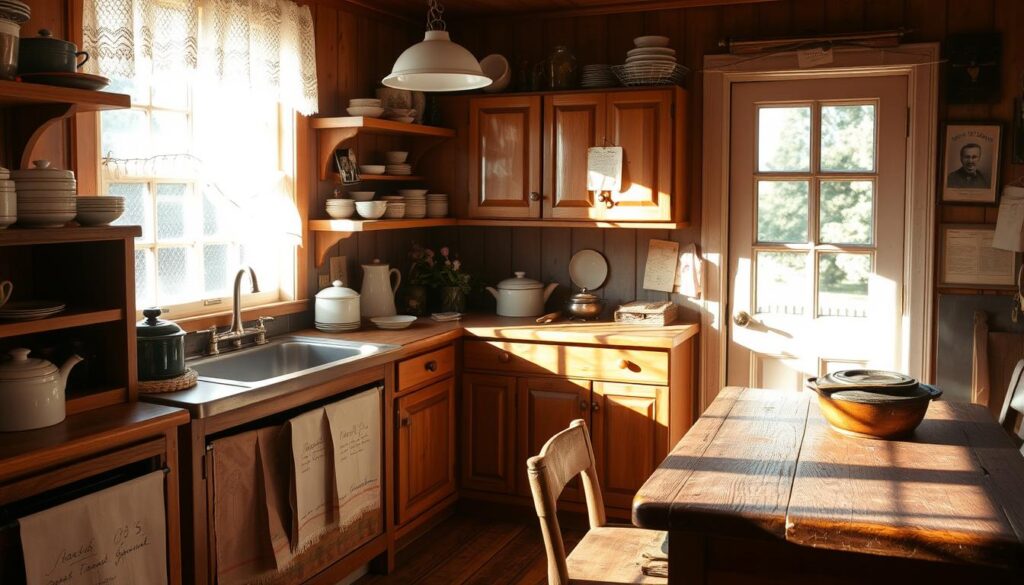
Grandmother’s kitchen was a cozy spot for family gatherings. It was always filled with the tasty smells of traditional dishes. This kitchen was where our family’s love for cooking grew.
Stories of Family Members
My mother learned to cook from her mother, who passed down family recipes. These stories, full of flavors and aromas, show the importance of Grandmother’s kitchen. It helped keep our family’s heritage alive.
The kitchen was more than a place to cook. It was the heart of our home. Here, we made family memories while sharing meals and laughter.
Looking back, Grandmother’s kitchen was key to our family’s traditions. The love and warmth there continue to touch our hearts. It shows how food can bring us together.
The Secret Recipe: More Than Just Ingredients
The secret to our family’s empanada recipe is more than just the ingredients. It’s the story behind it. For generations, this recipe has been a key part of our family’s traditions. It brings together relatives and friends, creating lasting memories.
The recipe is simple: flour, meat, and spices. But the real magic is in the love and care put into making it. Every step, from kneading the dough to sealing the empanadas, is done with love. It’s a way to share a piece of ourselves with those at the table.
The story of our empanada recipe is filled with family anecdotes and historical events. It spans decades, with each generation adding its own chapter. The recipe has been a constant in our family’s history, connecting different moments and memories.
When we share this recipe with new generations, we’re not just giving them ingredients. We’re sharing a piece of our family’s soul. The emotional significance of this recipe shows us the importance of preserving traditions. It reminds us that the stories we tell through food are just as important as the food itself.
How the Recipe Survived World War II
During World War II, our family’s recipe stood as a symbol of hope and strength. Family traditions faced many tests, but the recipe remained a powerful symbol of love and unity.
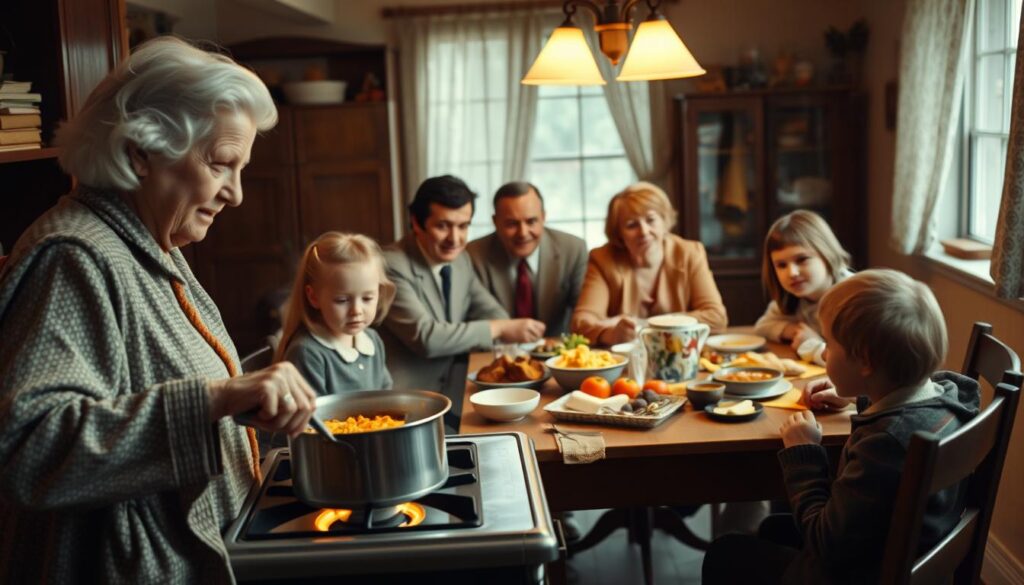
The war brought hard times and shortages, but our recipe kept going. It was made with what was available, showing our ancestors’ resourcefulness.
“In the darkest times, food has a way of bringing people together, reminding us of our shared humanity.”
The story of our family’s recipe surviving World War II is one of resilience. It teaches us that even when things are tough, tradition and love can overcome.
Family Reunions Centered Around the Dish
Gathering around the table for our family’s traditional dish is a cherished ritual at family reunions. The smell of the recipe instantly brings everyone together. It creates a sense of unity and warmth. Khristin Guardado’s article beautifully says that recipes like ours bring family members together and create memorable moments.
Our family’s recipe is a staple at these family gatherings. Everyone eagerly waits for the dish to be served. The tradition has been passed down through generations, with each family member adding their own love and care.
The dish has become an integral part of our family’s identity. It symbolizes our love for one another.
The significance of food in family reunions cannot be overstated. It’s not just about sustenance; it’s about the memories we create together. Our family’s recipe has been a constant presence at these gatherings. It provides a sense of comfort and continuity.
How the Recipe Evolved Over Decades
Over the years, the family recipe changed with new tastes and cooking methods. Family members, moving to different places, took the recipe with them. They made changes based on local ingredients and their own tastes.
The original recipe, from grandmother, was a starting point for creative adaptations. Some added new spices or tried baking instead of frying. These changes were not just about altering the recipe but about making it their own.
Heather Nice’s article on her grandmother’s recipe shows how family recipes evolve. The changes over time show the recipe’s flexibility and the family’s creativity.
Even with changes, the recipe’s core stayed the same. This balance keeps family recipes alive and relevant.
The recipe’s evolution also mirrors the family’s changing lives. New generations brought their ideas, enriching the recipe’s history.
The Great Recipe Debate of 1985
The Great Recipe Debate of 1985 was a turning point for our family. It started with a simple talk about our family’s recipe. But it quickly turned into a big argument.
When we all got together to talk about the recipe, conflicts emerged. Everyone had their own version of how it should be made. Some thought the original recipe was perfect. Others believed it needed changes to stay fresh.
But we found a way to resolve our differences. We talked openly and were willing to listen to each other. This helped us agree on how to keep the recipe alive for our family’s future.
By solving the Great Recipe Debate of 1985, we saved our recipe. We also learned the value of keeping our family traditions alive. It showed us how important it is to hold onto our cultural heritage.
Teaching the Next Generation
Teaching the next generation about traditional family dishes is a labor of love. It keeps family recipes alive and strengthens family bonds. Older family members are key in sharing their knowledge and skills.
Clara Hopkins learned her family’s empanada recipe from her mother. It was more than just a recipe; it was about the love and care in each empanada. This hands-on learning connects the younger generation to their heritage.
Teaching recipes to the next generation is an emotional investment. It teaches them about their family’s history and cultural traditions. It also gives older generations a chance to share their stories and experiences.
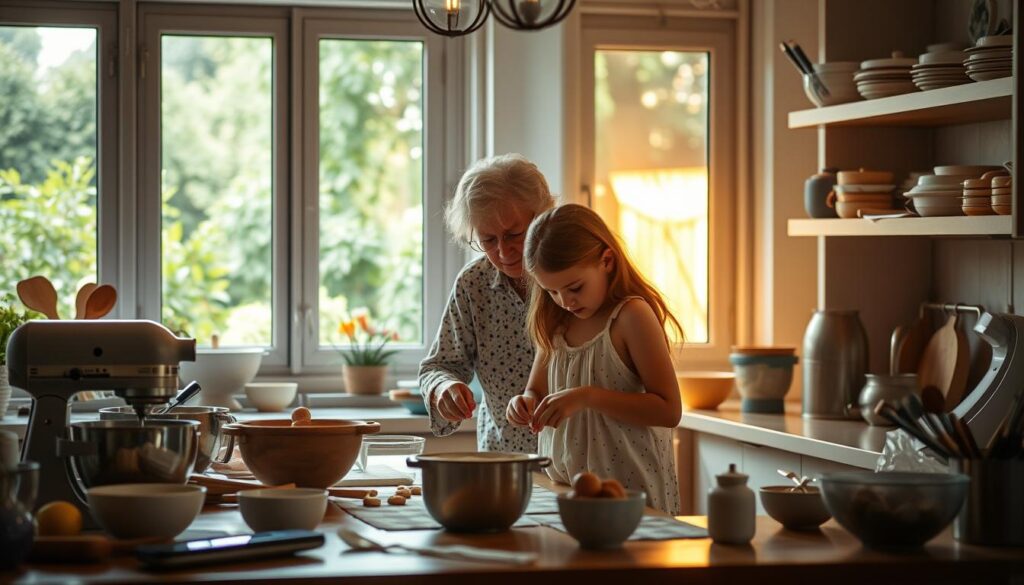
Sharing family recipes is a constant tradition in evolving families. It keeps memories alive and passes on values like love and family importance. By teaching the next generation, we preserve our culinary heritage for years to come.
In conclusion, teaching family recipes to the younger generation is a meaningful tradition. It preserves family traditions and strengthens family bonds. This tradition will continue to be cherished for generations to come.
The Emotional Power of Familiar Tastes
The taste of home is more than just a flavor; it’s an emotional anchor. It ties us to our past and to our loved ones. Familiar tastes can make us feel strong emotions. They take us back to moments we’ll never forget.
Khristin Guardado says recipes are more than ingredients; they’re a way to connect with our past. When we taste a dish made by family, like grandparents, it fills us with memories and feelings.
The power of familiar tastes is in their ability to link us to our heritage and family history. It’s not just about the taste. It’s about the emotions and memories tied to it. This connection makes a recipe truly special and worth keeping.
In many families, certain dishes are more than food; they symbolize love, comfort, and togetherness. The emotional power of these tastes shows the lasting impact of family recipes.
Documenting Our Legacy: From Recipe Cards to Digital Archives
Writing down family recipes is more than just listing ingredients and steps. It’s about keeping memories alive that have been passed down for generations. These recipes are a key part of our legacy, carrying stories and emotions that shape our family’s identity.
Traditionally, family recipes were kept on recipe cards that were often stained and worn. These cards were not just instructions; they were a direct link to our ancestors. But, as time goes by, paper’s fragility and the risk of loss or damage have made digital preservation essential.
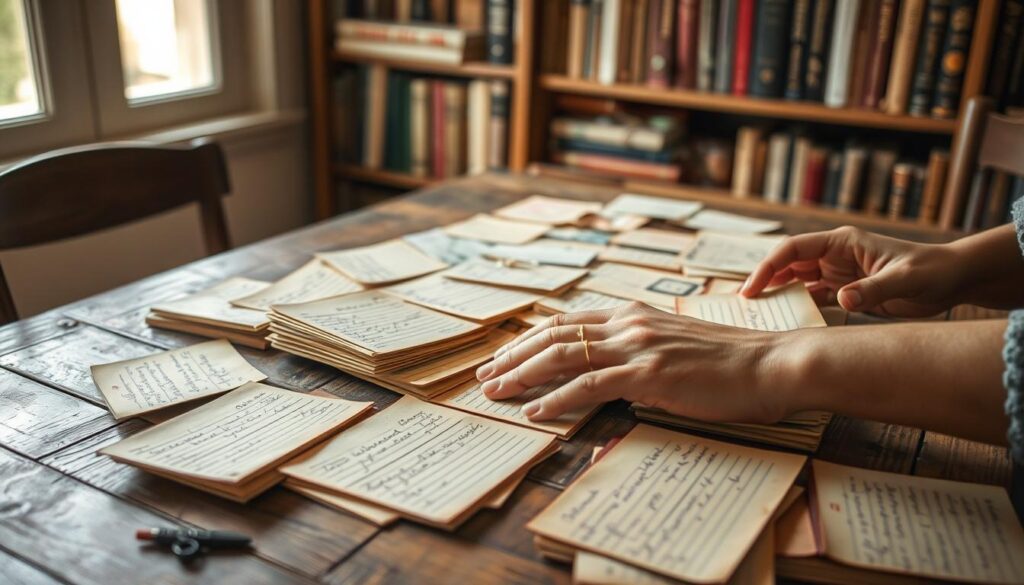
The move to digital archives has changed how we keep our culinary heritage safe. Digital platforms provide a secure, easy-to-access, and shareable way to store our recipes. By digitizing our collection, we protect it from loss and make it easier for family members everywhere to enjoy and add to our culinary legacy.
Creating a digital version of our recipes means more than just scanning old cards. It’s about adding context, stories, and images to bring the recipes to life for future generations. This effort keeps our family’s cooking traditions alive and vibrant in our heritage.
In conclusion, moving from traditional recipe cards to digital archives is a big step in saving our family’s culinary legacy. By using digital methods, we can keep our recipes, along with their stories and emotional value, safe for years to come.
Special Occasions Made Memorable
The smell of fresh empanadas fills our home with joy. For years, our family’s empanada recipe has been a key part of special occasions. It brings us all together at the dinner table.
Food has a special power to make us feel and remember. Our empanada recipe connects us to our past. It’s a sign of love and togetherness.
In celebrations, the kitchen smells of empanadas. It tells everyone it’s time to come together. At weddings, birthdays, or family reunions, our empanadas make these moments unforgettable.
Making empanadas for special occasions is a family tradition. It gives us a sense of comfort and connection. Sharing this recipe with new generations keeps our memories and traditions alive.
A Taste of Home: Why This Recipe Will Never Die
This recipe is more than just a list of ingredients. It’s a symbol of love, tradition, and family bonding. Khristin Guardado’s article shows how family recipes are key to a family’s identity and legacy.
It’s always present at family gatherings, bringing comfort and a sense of belonging. The taste of home it offers reminds us of the love and care in making it. As families grow, this recipe stays, connecting generations.
Keeping family recipes alive is vital for family ties and cultural heritage. By documenting and sharing these recipes, families keep their traditions alive. This recipe will always be a cherished part of our family’s history, a delicious link to our past and the love that unites us.