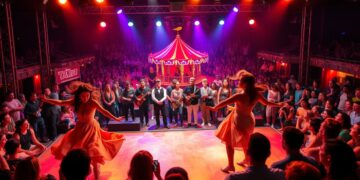

Cultural expression is key in any community. A short play is a great way to share it.
A short cultural play brings people together. It’s a chance to celebrate our heritage.
We’ll look at why cultural theater matters. Then, we’ll show you how to put on a short play. From picking the right story to the big show.
The Power of Cultural Theater in Modern Society
Cultural theater is a strong tool for community engagement. It helps create unity and appreciation for different cultures. It gives a voice to diverse groups, showing the power of cultural expression through art.
In today’s world, cultural theater is key in closing cultural divides. It brings people together, celebrating the variety of cultural backgrounds. This way, it helps us understand and respect each other more.
When we get involved in cultural theater, we feel more connected and proud of who we are. It’s not just for fun; it’s also a way to learn about different cultures. It gives us a new perspective on the world.
The effects of cultural theater on society are wide-ranging. It makes our communities more open and aware of different cultures. So, it’s a vital part of our modern cultural scene.
Selecting the Right Cultural Story to Tell
The cultural story you choose can make or break your theater production. Selecting a cultural story that resonates with your audience is key for a memorable experience.
When picking a story, think about its cultural context and significance. It’s important to delve into the history and traditions of the story. This ensures it’s told accurately and with respect.
Cultural sensitivity is critical in storytelling. Avoid cultural appropriation and stereotypes. Work with cultural consultants or community members for insights and guidance.

The story should also match the audience’s interests and cultural background. Understanding the audience’s preferences and cultural background helps pick a story that will connect with them.
Choosing the right cultural story can captivate your audience and preserve cultural heritage. By picking a story that’s both meaningful and engaging, you can leave a lasting impact.
Scriptwriting for Short Cultural Theater Productions
Making a good story for short cultural theater shows is all about finding the right balance. It’s about making scriptwriting for cultural theater deep yet brief. This means taking the heart of cultural narratives and turning it into a story that hits hard.
To get this right, writers use a few key methods. They focus on key moments or characters that show the heart of the culture. They also use dialogue and action to share complex cultural ideas in a simple way.
Techniques for Condensing Cultural Narratives
When it comes to shortening cultural narratives, finding the main message is key. This means cutting out what’s not needed. It’s about selective storytelling, picking the stories or characters that best show the culture’s essence.
Maintaining Cultural Integrity in Short Forms
Keeping the culture true is very important in short theater shows. Writers do deep research and talk to cultural experts to make sure they get it right. As playwright August Wilson said, “The task of the playwright is to make the familiar strange, and the strange familiar.”
“The task of the playwright is to make the familiar strange, and the strange familiar.”
By using these methods, writers can make short cultural theater shows that are both engaging and respectful. These shows can connect with people from all walks of life.
Assembling Your Production Team
Building a skilled production team is key for a great cultural play. A successful show needs a team that can bring the story to life. This team is the heart of the theater.
A Strong Team is Key
The production team does it all, from direction to technical support. A famous theater expert once said,
“A good production team can make or break a show.”

The director and producer are very important. The director guides the actors and crew with their vision. The producer takes care of the business side, like budgeting and scheduling.
Technical Support for Short Plays
Technical support is essential for a smooth play. This includes lighting, sound, and stage management. Good planning in these areas can make the show better.
With a skilled and dedicated team, your cultural play will be unforgettable and impactful.
Casting Your Short Cultural Play
Finding the right actors for a cultural play is a careful mix of talent and cultural understanding. It’s about picking actors who can truly show the cultural details and traits needed for the role.
The first step is to deeply understand the play’s cultural setting. Directors need to dive into the culture they’re portraying to make smart casting choices. It’s key to look beyond how an actor looks and focus on their ability to show the cultural heart of the character.
“The right casting can make a cultural story come alive, while the wrong casting can alienate the audience.” This quote highlights the importance of careful casting. Auditions should test not just acting skills, but also cultural knowledge and sensitivity.
When casting, think about actors with a connection to the culture being shown. This can bring realness and authenticity to the show. Also, be open to actors who might not seem like the usual choice but can offer a fresh take.
The main aim is to create a show that’s both true to the culture and engaging for viewers. By focusing on cultural sensitivity in casting, directors can make a performance that is both respectful and powerful.
Designing Sets and Costumes for Cultural Authenticity
Creating an authentic cultural theater production needs careful attention to detail, mainly in set and costume design. These elements are key to taking the audience into the play’s world. They make the experience more real and fun.
The importance of cultural authenticity in set and costume design is huge. It’s about really getting the culture of the story. Designers must do their homework and include elements that are true to the culture. They should avoid stereotypes and wrong representations.

Designing for small stages means being creative and flexible. Using adaptable set elements that can change easily is smart. It lets you create different scenes without big changes.
Using Symbolic Cultural Elements Effectively
Symbolic cultural elements add depth and meaning. It’s key to know the importance of these symbols in the culture. Use them in a way that’s respectful and correct.
By focusing on cultural authenticity in set and costume design, shows can offer a better and more respectful look at the culture. This improves the audience’s experience. It also helps people understand and appreciate different cultures better.
Incorporating Music and Dance in Cultural Theater
Music and dance are key parts of cultural theater. They help tell stories and share cultures. These elements can express feelings and stories in a way words can’t.
The use of music in theater adds depth to the story. It can make people feel certain emotions and set the mood. From old folk songs to new tunes, music makes the story more real.
Dance brings the story to life with movement. It shows the themes and feelings of the story. Dance can be traditional or modern, but it always adds to the show.
Together, music and dance make cultural theater special. They grab the audience’s attention and leave a strong memory. By picking the right music and dance, shows can be more memorable and powerful.
In short, music and dance are vital for cultural theater. They make the story richer and give the audience a unique experience. This shows how important these elements are in sharing cultures.
Rehearsal Techniques for Short Cultural Productions
Rehearsal techniques are key for making short cultural productions real and engaging. They help the cast and crew bring the story to life. This is vital for a successful show.

Directors use many rehearsal techniques for cultural shows. They focus on time management. This means making rehearsals run smoothly and on time.
Time Management for Cultural Productions
Good time management is essential in rehearsals. Directors set aside time for script work, technical rehearsals, and dress rehearsals. This helps everything run smoothly.
Balancing Technical and Cultural Elements
Balancing technical and cultural elements is also important. Directors mix technical stuff like lighting and sound with cultural elements. This includes traditional dances and music.
Using these techniques, directors make sure their shows are both culturally rich and technically perfect. This gives the audience a deep and enjoyable experience.
Marketing Your Short Cultural Theater Production
To grab the audience’s attention, cultural theater needs creative marketing strategies. Good marketing is key to reaching and connecting with your audience.
Understanding your audience is the first step. Know what they like and what interests them. This helps you make your marketing more effective.
Use social media platforms to promote your show. Share behind-the-scenes content to keep your audience engaged.
Work with local cultural groups and influencers to spread the word. These partnerships can help you reach more people who love cultural events.
With these tactics, you can market your short cultural theater production well. This ensures a strong bond with your audience.
From Vision to Reality: The Cultural Theater Experience
The cultural theater experience shows the heart of a community, bringing people together through art. This journey from idea to reality is complex and exciting.
Choosing the right story, picking a team, and adding music and dance are key steps. Each one is important in making a true cultural theater experience. It highlights the beauty of cultural heritage and brings people together, sparking conversations and understanding.
When a short cultural play opens, all the hard work and creativity shine. This experience can move, teach, and inspire both the performers and the audience. It helps communities keep their traditions alive and promotes understanding and respect for different cultures.