Organizations are working hard to be more inclusive. At Inclusive Kind, we know how key diversity, equity, and inclusion are in the workplace.
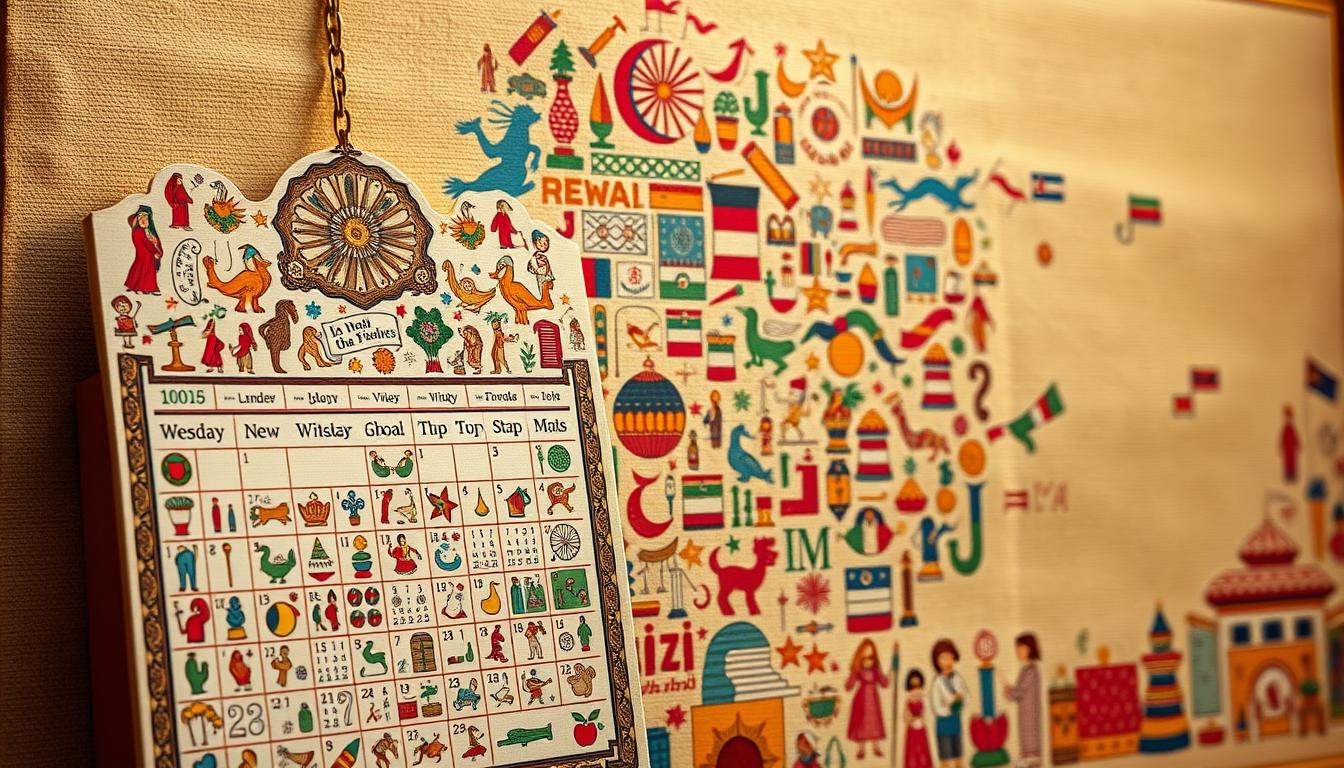
There are many heritage months and religious holidays throughout the year. It can be hard to keep track of them all. But, by marking these dates on a cultural calendar, companies can make their employees feel more connected.
This method boosts diversity and promotes equity and inclusion. In this article, we’ll dive into why cultural calendars matter. We’ll also share tips on how to celebrate cultural dates to make your workplace more welcoming.
Understanding the Importance of a Cultural Calendar
A cultural calendar is key to promoting diversity, equity, and inclusion in any workplace. It helps organizations celebrate cultural dates and events. This makes the workplace more welcoming and inclusive for everyone.
Before adding dates to your calendar, think about your organization’s mission and values. What are the core principles that guide your work? Choosing dates that align with these values helps build a diverse and inclusive workplace culture.
A cultural calendar is more than just a list of dates. It’s a powerful tool for creating a respectful and valued workplace environment. It’s about recognizing cultural dates and understanding their importance to your organization’s mission and values.
By using a cultural calendar, you show your organization values diverse cultural backgrounds. This leads to a better work environment. Everyone feels included and respected, making the workplace more harmonious and productive.
Key Components of a Cultural Calendar
Creating a cultural calendar means finding important dates for different cultures and religions. It includes religious and cultural observances that matter to many groups.
Religious and Cultural Observances
Many communities celebrate various dates. For example, Yale’s community comes from diverse backgrounds. They celebrate different holidays and cultural events.
Cultural experts say, “It’s important to recognize these dates for an inclusive environment.” A cultural calendar helps everyone understand and respect each other’s traditions.
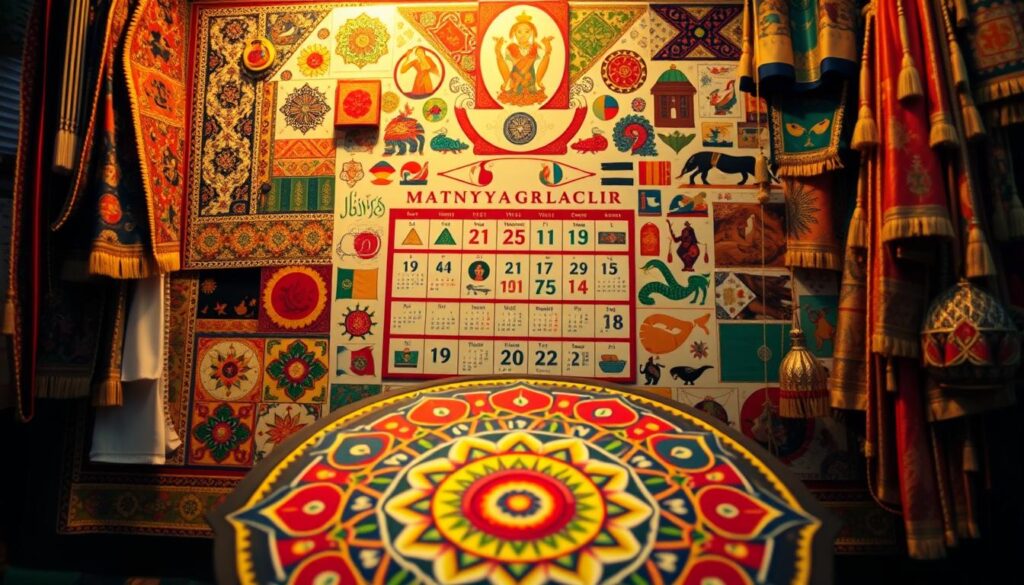
“A cultural calendar is a powerful tool for building bridges between different communities and promoting cultural understanding.”
Organizations should think about their employees’ and clients’ backgrounds when making a calendar. They should include religious holidays, cultural celebrations, and heritage months. This shows they value diversity and inclusivity.
In summary, a cultural calendar is key for cultural awareness and understanding. It helps create a welcoming space by celebrating important dates. This way, organizations show they respect and value their community’s diversity.
Cultural Diversity in the United States
The United States is known for its rich cultural diversity. Many heritage months are celebrated here every year. This diversity helps different cultures grow and thrive together.
February is Black History Month in the United States and Canada. It honors the achievements of African Americans. March is Women’s History Month, celebrating women’s social, economic, and cultural achievements.
Heritage months are more than celebrations. They are chances for people to come together. They promote awareness and inclusion through events and participation.
Cultural celebrations are key to building community. They let people share their traditions and values. This makes American society richer and more diverse.
In summary, the cultural diversity in the United States is a valuable asset. Celebrating heritage months helps us build a more inclusive and caring society.
Monthly Overview of Cultural Dates
A monthly overview of cultural dates helps organizations plan and acknowledge significant events. It’s important to know the key observances throughout the year.
January starts with New Year’s Day on January 1, a global celebration. The third Monday in January is Martin Luther King Day, honoring civil rights leader Martin Luther King Jr. February is Black History Month, celebrating African American contributions and history.
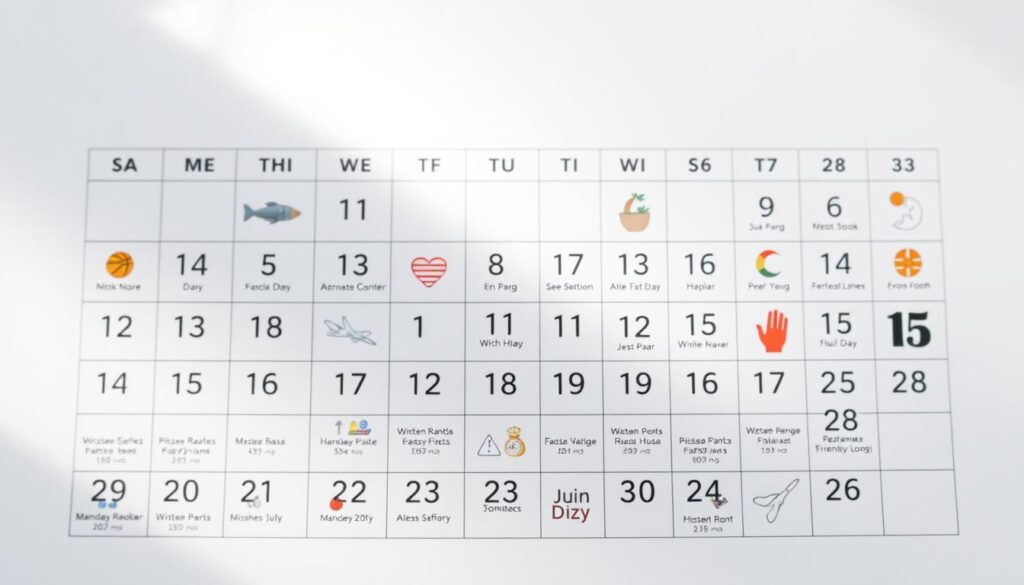
As we move through the first half of the year, we must keep observing important cultural dates. By June, there are many other observances to acknowledge, making our cultural landscape diverse.
Having a monthly overview helps organizations create a more inclusive environment. Celebrating diversity enriches our communities. This approach strengthens community bonds and promotes understanding.
Recognizing Religious and Ethnic Observances
The modern workplace is a mix of cultures. It’s important to recognize and respect different religious and ethnic observances. This boosts inclusion, employee happiness, and work performance.
Companies should learn about the religious and ethnic backgrounds of their workers. They should note important dates and make a welcoming space for diversity. For example, adding diverse holidays to the cultural calendar shows respect and makes employees feel valued.
“Inclusion is not just a moral imperative; it’s a business imperative.”
By recognizing these observances, companies can create a sense of belonging. This is key for a good work atmosphere.
Implementing Inclusive Practices
To really understand and respect these observances, companies can do a few things:
1. Teach employees about different cultural and religious practices.
2. Add diverse holidays to the cultural calendar.
3. Offer special arrangements for employees, like flexible hours or prayer rooms.
To add more dates to your cultural calendar, email: secretary.office@yale.edu. Embracing religious diversity and ethnic diversity is a journey that needs dedication and understanding.
By valuing the diverse backgrounds of employees, companies can foster workplace inclusion. This leads to a more united and effective work environment.
Creating Your Own Cultural Calendar
Creating a cultural calendar that fits your organization’s mission and values is key. It helps in promoting diversity and inclusion. To do this, you need a structured plan that meets the needs of your community.
Start by making sure your cultural calendar matches your organizational mission and values. This means understanding your organization’s core principles. Then, choose cultural events that reflect these values.
It’s also important to know what employee and client priorities are. You can do this through surveys, feedback sessions, or working with employee resource groups. This way, you can pick the cultural dates and events that matter most to your community.

Working with employee resource groups can give you insights into the cultural practices in your organization. These groups can help make your cultural calendar more inclusive. It will better represent and celebrate the diversity in your community.
Evaluating the Impact
Lastly, you should evaluate the impact of your cultural calendar. This means getting feedback from those who participate, tracking how many people join in, and seeing how it affects diversity and inclusion. Always be ready to make changes to keep your cultural calendar effective.
By following these steps and staying committed to diversity and inclusion, you can create a cultural calendar. It will celebrate diverse cultures and help make your workplace more inclusive and respectful.
Building Community Through Cultural Events
In today’s diverse workplaces, cultural events are key for community building and awareness. They help by using Employee Resource Groups (ERGs) and/or the DEI Committee. This way, organizations can hold cultural celebrations that boost awareness and make employees feel part of the team.
Cultural events are great for bringing employees together. They celebrate the different backgrounds and cultures in the organization. Events can include cultural festivals, traditional holiday celebrations, and educational workshops on various cultures.
By taking part in cultural events, employees learn more about their colleagues’ cultures. This helps everyone understand and appreciate each other’s traditions better.
Cultural celebrations also make the workplace more inclusive. They give employees a chance to share their cultural heritage. This makes the workplace richer with diverse views and experiences.
This approach boosts employee engagement and helps attract and keep top talent. By celebrating cultural diversity, organizations create a lively and welcoming workplace. This not only supports community building but also helps the business succeed by creating a positive work environment.
A Focus on Arts and Culture
Arts and cultural events are key to a diverse and inclusive workplace. They help make the workplace welcoming for everyone.
In the United States, we celebrate different cultures through various months. For example, June is Pride Month for the LGBTQ+ community. This month is a chance for workplaces to show their support through events and activities.
Organizations can boost arts and cultural awareness by hosting events and exhibitions. These celebrate diverse cultures, enriching the workplace and helping employees understand and appreciate different backgrounds.
By embracing arts and culture, workplaces become more inclusive. This makes everyone feel valued, leading to a better and more productive work environment.
Cultural events also give employees a chance to share their heritage. This promotes understanding and respect among cultures. It makes the team more cohesive and supportive.
In summary, focusing on arts and culture is a great way to promote diversity and inclusion at work. Celebrating cultural dates and events helps create a more inclusive and respectful workplace.
Cultural Education and Awareness
To foster a culturally sensitive workplace, organizations must prioritize cultural education and awareness. Instead of just celebrating diversity on specific dates, they should focus on education all year. This helps create a workplace that values and respects all backgrounds and practices.
Cultural education is key for employees to grasp the importance of cultural dates and practices. By promoting awareness through ongoing education, organizations can build an inclusive and respectful environment. This improves workplace culture and makes the work environment better and more productive.
Organizations can use many strategies to boost cultural awareness. They can hold workshops, training sessions, and cultural events to showcase different cultures and traditions. This helps break down cultural barriers and promotes a culture of inclusion.
Also, diversity and inclusion are more than just celebrating cultural dates. It’s about making a workplace culture that welcomes and respects all employees. This means constant efforts to educate and raise awareness about different cultures and practices.
In conclusion, cultural education and awareness are essential for a culturally sensitive workplace. By focusing on education all year and promoting cultural awareness, organizations can build a workplace culture that values diversity and promotes inclusion.
Challenges in Celebrating Diverse Cultures
Today, companies must not just welcome cultural diversity. They also need to tackle the hurdles that come with it.
It’s tough to celebrate different cultures. Companies might worry about cultural overload or making sure everyone feels included. To overcome these issues, they should aim for a balanced and welcoming workplace culture.

One big challenge is overload. When too many celebrations happen close together, they might lose their meaning. A careful plan for diversity and inclusion can help avoid this.
By understanding these challenges and acting early, companies can create a space where everyone feels valued and celebrated.
Conclusion: The Future of Cultural Calendars
Creating a cultural calendar is a continuous effort. It needs dedication, awareness, and a readiness to change. This helps make workplaces more inclusive and diverse.
As we look ahead, we must keep pushing for cultural understanding and learning. A good cultural calendar is key. It helps remove cultural barriers and builds a sense of community at work.
For companies wanting to improve their diversity efforts, help is available. If you want to learn more, email hello@inclusivekind.com. They can guide you on how to make your workplace more welcoming through a cultural calendar.