
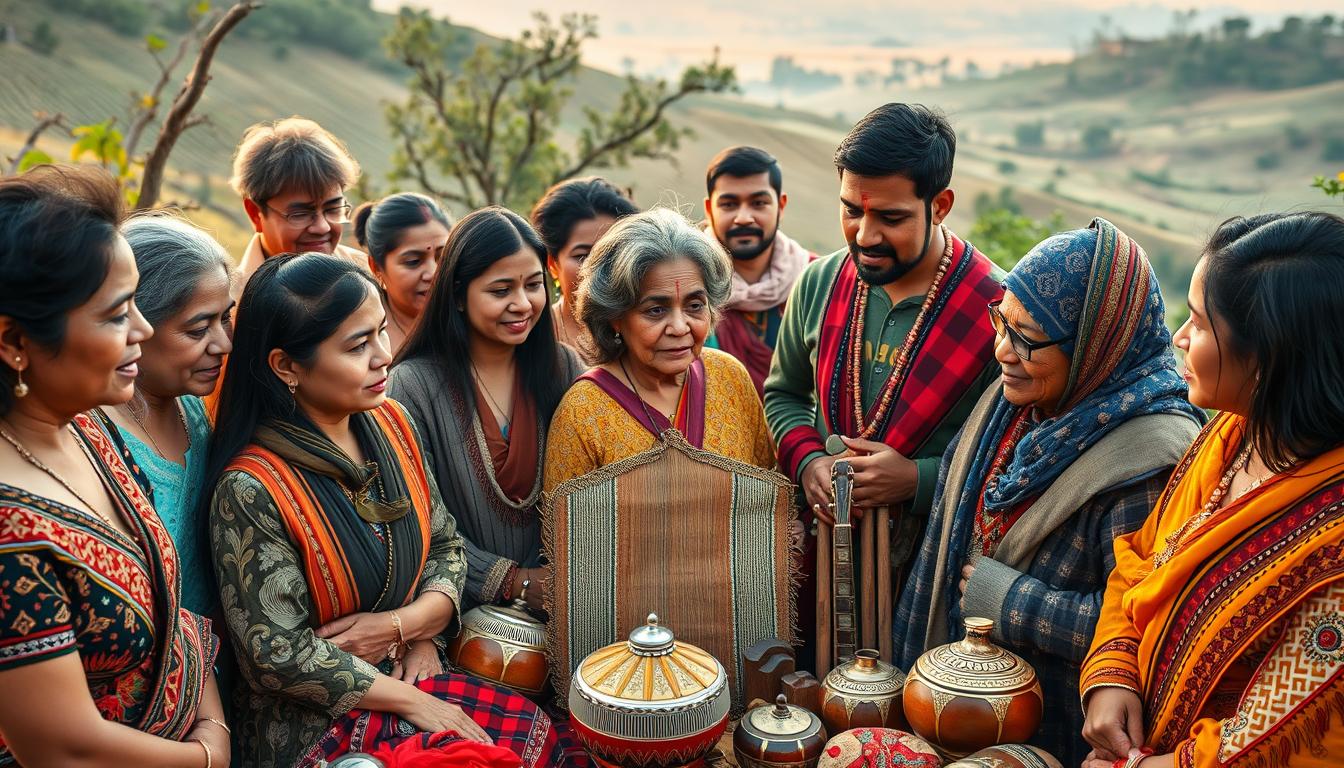
Culture makes us unique, setting us apart from animals. It’s what connects our beliefs, customs, and actions. It shapes who we are and how we live.
Cultural values define us and how we interact with others. They guide us through life’s ups and downs.
Adhering to important cultural values makes our lives richer. It also helps our communities thrive. By embracing our heritage, we understand the value of these principles today.
Understanding Cultural Values
Our cultural identity is built on the values passed down through generations. Cultural values definition includes the beliefs and practices that guide our actions. These values shape how we make decisions.
In today’s diverse world, understanding cultural values is key. It helps us see the importance of these values in our actions. By understanding cultural values, we can value the diversity around us.
Cultural values are shared from one generation to the next. They come through family, education, and community. These values affect our views, attitudes, and actions, often without us realizing it.
Understanding cultural values shows their big impact on our lives. They help us know what is right and wrong. Cultural values also shape our social norms and practices.
By embracing cultural values, we can build a more inclusive society. This means valuing the diversity of cultural values and their role in our lives.
Core American Values
At the heart of American society are core values such as egalitarianism and individualism. These values shape daily life and interactions.
The United States is a melting pot of cultures. Its society is shaped by a blend of traditions and values. Individualism and personal responsibility are key principles that guide American behavior.
Egalitarianism
Egalitarianism is a core American value that emphasizes equality among individuals. It promotes the idea that everyone should have equal opportunities. Everyone should be treated with the same respect and dignity, regardless of their background or social status.
This value is reflected in various aspects of American life. From education to the workplace, meritocracy is often celebrated over nepotism or social privilege.

The emphasis on egalitarianism has contributed to a society that values fairness. It strives for equal access to opportunities for all its members. This does not mean that there are no disparities or challenges; but the cultural narrative strongly supports the principle of equality.
In practice, egalitarianism in American culture manifests in the legal system, social policies, and everyday interactions. It fosters a sense of community and shared values.
The Role of Family in Cultural Values
Cultural values are shaped by family, which is key in socializing us. From a young age, we learn about our culture through family. This shapes our identity and how we see the world.
Family influences our cultural identity in many ways. It’s where we first learn our culture’s language, customs, and values. For example, how family members interact and traditions they follow teach us about our heritage.
Transmission of Cultural Values: Family is essential in passing down cultural values. Parents and grandparents teach their children and grandchildren about their traditions and values. This happens through stories, cultural events, and following cultural practices.
The Role of Family in Shaping Identity: Family values shape our sense of self and where we belong. They affect how we see ourselves in our community and society. Family also shapes our views on education, work, and social relationships.
In conclusion, family is key in shaping cultural values and identity. Understanding family’s role helps us see how cultural heritage is passed down through generations.
Diversity and Inclusion
Cultural diversity and inclusion are key in today’s America. The US is a mix of cultures, making it a unique society.
Embracing cultural diversity makes our communities richer. It brings new ideas and innovations. For example, cultural festivals and diverse foods add to American life.
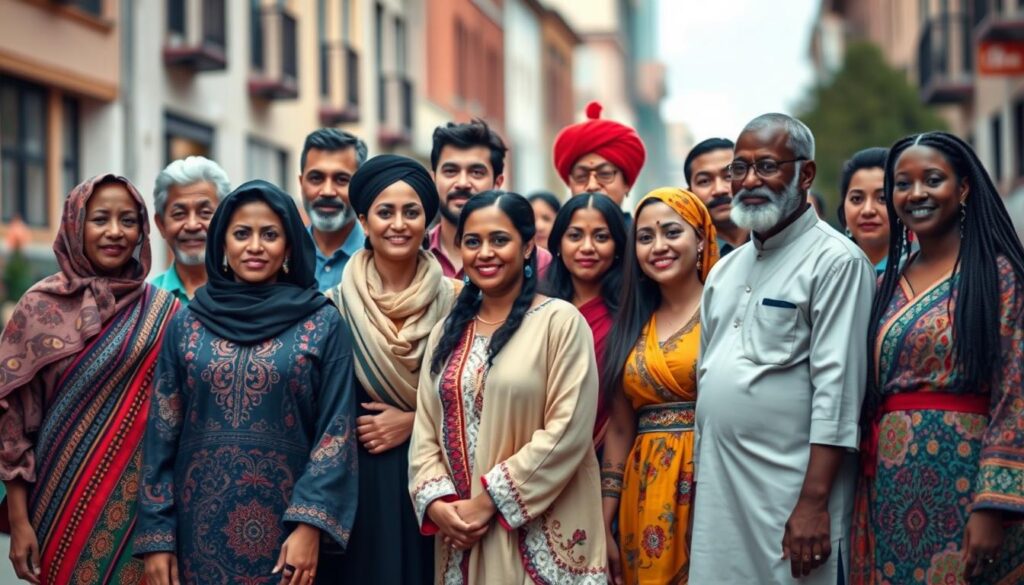
Promoting inclusion means everyone is valued, no matter their culture. It’s about making sure everyone’s voice is heard. This builds a sense of belonging and harmony.
Diversity and inclusion have many benefits. They boost creativity and decision-making. They also lead to better social and economic outcomes. By valuing diversity and inclusion, we build a fairer society.
In summary, diversity and inclusion are vital for America’s strength. By keeping these values alive, we can create a brighter future for everyone.
Cultural Values Across Generations
Cultural values are passed down through generations, shaping identities and influencing societal norms. This intergenerational transmission is key for maintaining cultural continuity and heritage.
The process of passing down cultural values involves various agents, including family, education, and community. Family plays a vital role as the first point of contact for individuals. They impart foundational values that shape their worldview. For example, respect for elders, the importance of hard work, and the value of honesty are often instilled from a young age.
As societies evolve, the challenge lies in preserving these values amidst changing cultural landscapes. Globalization and technological advancements have introduced new dynamics. It’s essential to adapt while retaining core cultural values. This balance is key for fostering a sense of belonging and identity among newer generations.
Preserving Cultural Heritage
Preserving cultural heritage requires concerted efforts from communities, governments, and individuals. Initiatives such as cultural festivals, educational programs, and documenting cultural practices help keep heritage alive. Leveraging technology to create digital archives of cultural artifacts and stories can make heritage more accessible to younger generations.
The role of education is also vital in this context. Incorporating cultural values and history into educational curricula helps young people understand and appreciate their cultural roots. This aids in preserving cultural heritage and promotes cultural diversity and understanding.
Challenges in Passing Down Cultural Values
Despite these efforts, there are challenges. The rapid pace of change in modern society can sometimes lead to a disconnect between generations. Younger individuals may be more influenced by global culture than traditional values. Addressing this requires innovative approaches to make cultural heritage relevant and engaging for younger audiences.
In conclusion, the transmission of cultural values across generations is a complex yet vital process. By understanding the mechanisms of this transmission and addressing the challenges involved, we can work towards preserving our rich cultural heritage for future generations.
Influence of Religion on Values
Religion deeply shapes cultural values in complex ways. It has been a key factor in forming cultural values in many societies. It helps shape identities and guide principles.
Religion influences cultural values by setting a moral compass for daily life. It teaches values like compassion, honesty, and respect for others. These values are important in many cultures.

Religious Practices and Cultural Identity: Religious practices blend with cultural traditions, creating a distinct community identity. For example, religious festivals and rituals are key parts of cultural heritage. They show the values and beliefs of a society.
The Impact on Social Values: Religion also shapes social values, like the importance of family, charity, and community service. Many religious groups lead in social welfare, showing the values they preach.
“Religion is the foundation upon which cultural values are built, providing a sense of belonging and moral direction.”
In conclusion, religion’s impact on cultural values is wide-ranging. It touches many areas of life and society. Understanding this is key to appreciating the diversity and richness of cultural identities.
Impact of Media on Values
Modern society has seen a big change in how media shapes our culture. Media plays a key role in how we see cultural values and norms.
The impact of media on cultural values is complex. It shows our societal norms but also changes them. Media like TV, social media, and news spreads cultural values far and wide.
But, the media influence on cultural values can go both ways. It can celebrate diversity and inclusion by showing different cultures. Yet, it can also spread stereotypes and make cultures seem the same.
It’s important to understand how media affects our cultural heritage today. Knowing its influence helps us choose the cultural values we want to share with others.
Values in the Workplace
Workplace values are key in shaping how employees act and perform. An organization’s culture is shaped by these values. They work hard to make sure employees know what’s important.
Organizational culture is shaped by workplace values. These values guide how employees act and affect the company’s success. As Peter Drucker said, “Culture eats strategy for breakfast.” This shows how vital a strong, value-driven culture is.
“The way we do things around here” is more than just a phrase; it’s a reflection of the values that drive our organization forward.
When employees get and support their company’s core values, it makes for a better work place. This can lead to more productivity and happiness at work. For example, Google and Zappos are famous for their strong cultures based on core values.
These values affect employees in many ways. They can improve teamwork, creativity, and commitment to the mission. As companies grow, it’s important to focus on building a culture that matches their values.
This approach helps create a work place that is both productive and rewarding for employees. Aligning values and culture is essential for lasting success.
Education and Cultural Values
Learning about cultural values through education makes us and our society better. It shapes who we are and what we value. By teaching cultural values in school, we raise a generation that values diversity.
The role of education is big. It teaches us facts and helps us think by understanding our culture. This is key in a world where many cultures exist.
When schools focus on cultural education, students see the world differently. They learn about various cultures, traditions, and values. This leads to a more united and welcoming society.
Education also keeps our cultural heritage alive for the next generation. It makes sure our values stay relevant today. This mix of old and new is key for growth.
Importance of Cultural Education
Cultural education is essential. It teaches us about our cultural rights and duties. This makes us value our heritage and help society grow.
“Education is the passport to the future, for tomorrow belongs to those who prepare for it today.”
This quote shows how education shapes our future and society’s culture. By focusing on education and cultural values, we create a smarter, more accepting community.
Challenges to Cultural Values
As societies grow, keeping cultural values alive gets harder. The world is changing fast, affecting how we keep our cultural heritage alive for the next generation.
The threats to cultural heritage come from many places. Globalization, modernization, new tech, and changes in population are just a few. These can make traditional ways and values fade as people adopt new global norms.

Finding a balance between modern life and keeping cultural values is tough. With the world getting closer together, there’s a danger of losing unique cultural identities. It’s key for communities to adapt while keeping their heritage.
Education is very important here. Teaching cultural values and history in schools helps younger people understand and value their heritage. This keeps cultural values alive and helps build identity and community.
Media and technology also play big roles. They bring challenges but also chances to save and share cultural stories and values. Digital platforms can spread cultural traditions worldwide, helping them survive in a fast-changing world.
In short, the challenges to cultural values are real and varied. But by understanding these issues and working together, we can keep our cultural identities strong.
Living Your Values Daily
Following cultural values helps us feel empathy, harmony, and peace every day. It strengthens our relationships and guides us to make good choices for our communities.
To live your values, you need to make a conscious choice. First, pick the values that matter to you, like respect, kindness, or responsibility. Then, find ways to use these values in your daily life, at work, in your community, or at home.
When you live your values, you positively affect those around you. This helps create a more united society. By doing this, you become more aware of your actions and their effects. This leads to a more genuine and satisfying life.