
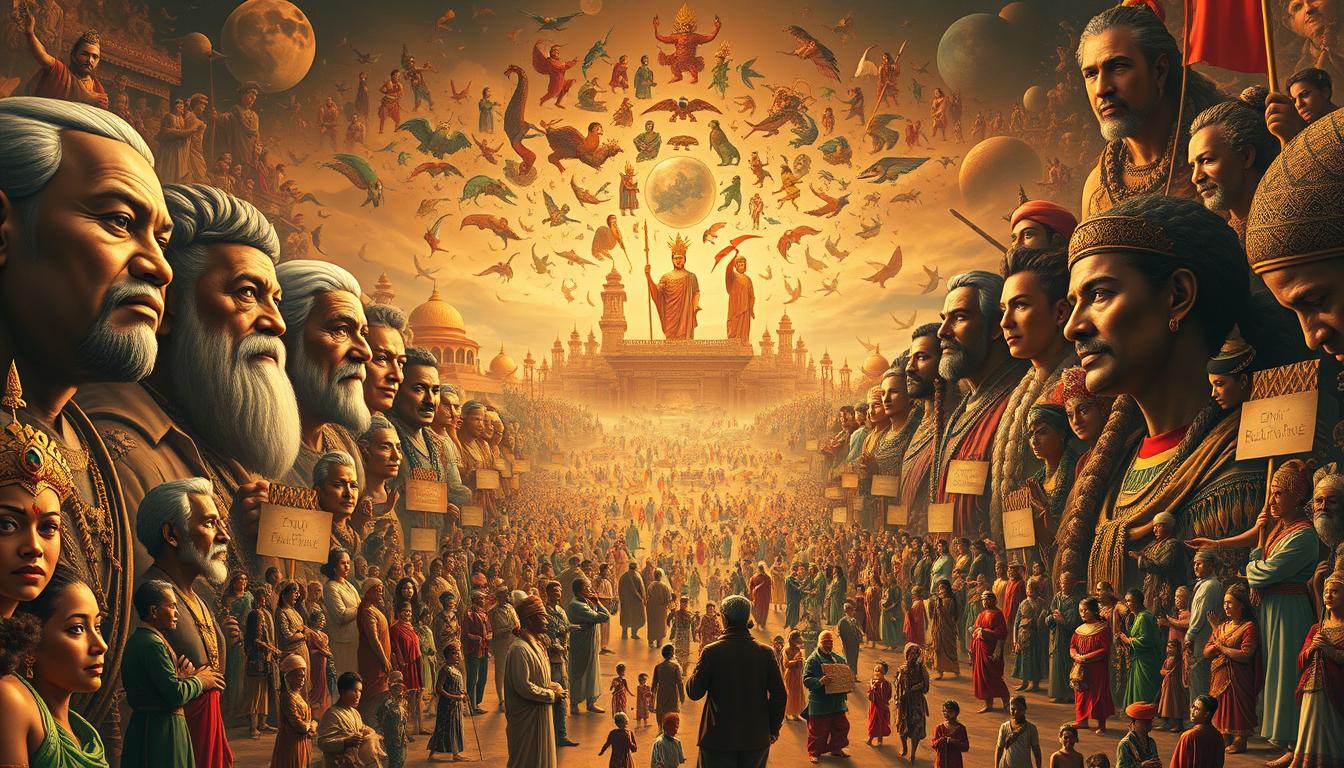
Cultural heroes are key to human culture, showing what societies value and dream about. These legendary figures inspire many, carrying the spirit of their cultures.
From mythical heroes of old to today’s icons, they shape who we are and our cultural roots. They are celebrated for their bravery, wisdom, or great deeds. They serve as examples and symbols of pride for their people.
Looking into these cultural heroes lets us see the rich traditions and histories of cultures everywhere. It shows us what we share and what makes us different.
Defining Cultural Heroes and Their Importance
Cultural heroes inspire and shape generations. They are seen as cultural icons, showing the values and traditions of their culture. These can be historical figures, mythical beings, or modern-day influencers.
Mythical heroes have been part of human culture for ages. They symbolize hopes, fears, and dreams of their communities. They show the battle between good and evil, guiding us to act morally. For example, Hercules and Superman stand for strength, courage, and justice, motivating us to be better.
The symbolism of cultural heroes is deep. They mirror the cultural values of their time and shape future norms. As
“Heroes are ordinary people who make extraordinary choices.”
, shows that anyone can be a hero through their actions.
Cultural heroes are key in forming identity and community. They unite people, showing the shared dreams and values. By celebrating these heroes, we keep our cultural heritage alive for the next generations.
In summary, cultural heroes are essential in our society. Their stories and values inspire and guide us. They are a big part of our shared cultural identity.
Historical Heroes: Icons of Change
From ancient Greek myths to today, icons of change have inspired many. These legendary figures have shaped history and continue to impact our culture and values.
Greek mythology is a rich source of historical heroes. Figures like Perseus and Hercules show courage, strength, and never giving up. They faced incredible challenges and defeated monsters.
Greek Mythical Heroes
Greek mythical heroes were more than myths. They stood for the values and dreams of ancient Greece. For example, Perseus showed bravery and cleverness, qualities highly valued.
“The hero is not made by the size of the fight, but by the size of the heart.”
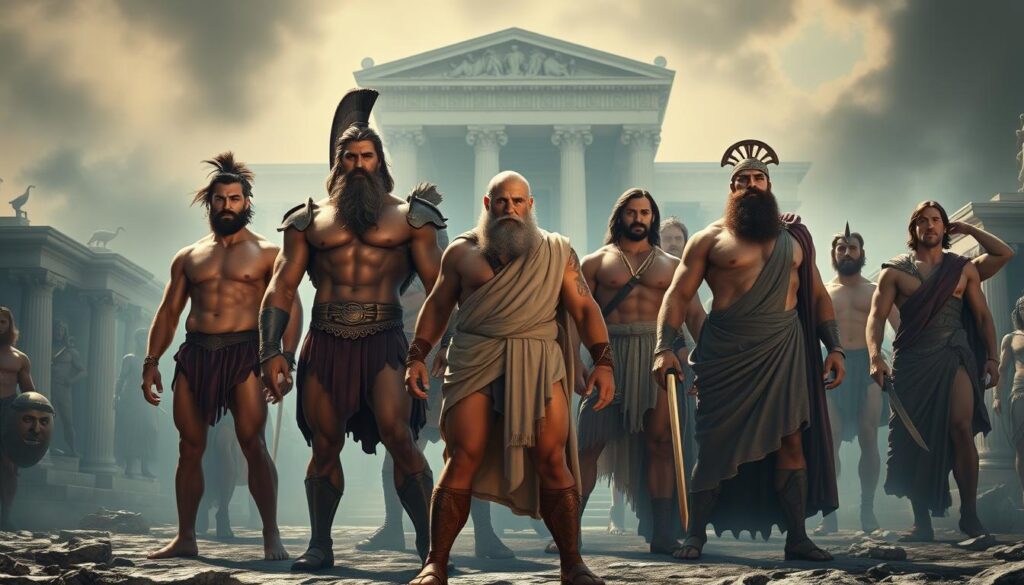
The tales of these heroes have inspired countless works. The story of Hercules has been told in many ways, from ancient plays to movies.
These historical heroes are important today, not just in history or myths. They motivate us to face our challenges with courage and determination. They are timeless symbols of change.
Grassroots Heroes: Ordinary People Making a Difference
Grassroots heroes are the unsung champions who drive change from the ground up. They reflect the values and resilience of their cultures. These ordinary people become extraordinary by making a significant impact in their communities.
One of the defining characteristics of grassroots heroes is their ability to inspire others through their actions. They may not always seek the spotlight, but their contributions are invaluable. For instance, community organizers working tirelessly to improve local conditions, volunteers helping at food banks, or neighbors checking in on elderly residents are all examples of grassroots heroes in action.
These individuals embody the spirit of their communities, often addressing issues that are close to home. Their efforts can range from environmental initiatives to social justice causes. This shows the diverse ways in which ordinary people can make a difference. By doing so, they not only address immediate needs but also foster a sense of community and solidarity.
The Impact of Grassroots Heroes
The impact of grassroots heroes is multifaceted. They not only bring about tangible change but also serve as role models. Their stories highlight the power of individual action and the collective impact.
Grassroots heroes often become cultural icons within their communities. They symbolize the values and aspirations of the people around them. Their actions and achievements are celebrated, not just as individual accomplishments, but as reflections of the community’s strength and character.
In conclusion, grassroots heroes are the backbone of community resilience and progress. Their stories inspire us to recognize the power within ourselves and our communities to effect positive change. By celebrating and supporting these ordinary yet extraordinary individuals, we can foster a culture that values and encourages heroism in all its forms.
Heroes in Modern Media: Representation Matters
The way heroes are shown in modern media has changed a lot. This change shows how society and culture are evolving. We see a wide range of heroes in comic books, movies, and other media.
Modern media shapes how we see heroes. With more diverse stories, heroes from different backgrounds are being shown. This lets people see characters they can relate to and look up to.

Seeing yourself in media heroes is very important. It makes people feel connected and like they belong. This is very important for groups that have been left out of media before.
Cultural representation in media is more than just including different people. It’s about telling real stories that honor different cultures. This means creators from various backgrounds are needed to make sure stories are true and respectful.
The effects of heroes in media go beyond just entertainment. They can inspire change by challenging old ideas and promoting understanding. For example, movies and comics with diverse heroes can help break down cultural barriers and make society more welcoming.
In short, how heroes are shown in media shows what we value and hope for. As media keeps changing, we must keep pushing for more diverse and real representation. This way, everyone can see themselves in today’s and tomorrow’s heroes.
Female Heroes: Shattering Glass Ceilings
Female heroes from all over have broken through barriers and achieved great things. These cultural icons have inspired many with their bravery and hard work. Their stories show us the power of courage and the human spirit.
The impact of female heroes goes beyond their achievements. They have opened doors for others to follow. Rosa Parks and Malala Yousafzai are great examples. Their actions have started big changes in society.
In many cultures, women in mythology are seen as brave and wise. Athena from Greek mythology and Durga from Hindu mythology are famous for their strength. They inspire and shape our cultures.
The influence of female heroes is vast. They inspire art, literature, and social movements. By celebrating them, we honor their courage and the values they stand for.
Looking at the stories of cultural icons and female heroes, we see their lasting impact. They continue to inspire and empower people everywhere. They show us that heroism is within reach for all.
Cultural Heroes in Literature and Art
Literature and art celebrate cultural heroes in unique ways. They show us the values these heroes stand for. Through stories and images, these heroes inspire and teach us about their impact.
Authors use symbolism to make cultural heroes relatable. Characters and events in stories carry deeper meanings. This makes their stories more engaging and meaningful.
Cultural Heroes in Art
In art, cultural heroes are seen in many forms. From paintings to digital art, artists share their stories. They make these heroes relevant today.
“Art is the only way to run away without leaving home.” – Twyla Tharp
This quote shows art’s power. It lets us see cultural heroes’ stories up close. We feel their ideals deeply.
How we see cultural heroes changes through literature and art. These works show their importance and how they are viewed. They help us understand their cultural and historical significance.
In summary, cultural heroes in literature and art continue to fascinate us. They inspire and teach us through their stories. Their legacies keep shaping our culture.
Heroes in Science: Innovators and Pioneers
Many heroes in science have made huge impacts on our world. They’ve helped us understand the universe better. They also opened doors for future scientists and inventors.
Innovators like Marie Curie and pioneers like Stephen Hawking are great examples. They showed us what it means to be dedicated and brilliant. Their work has inspired many to follow in their footsteps in STEM fields.
The work of heroes in science goes beyond just their discoveries. They’ve also helped build a strong scientific community. They encouraged teamwork and new ideas. By celebrating their achievements, we honor their contributions and the science field as a whole.
The next generation of innovators and pioneers will keep exploring new frontiers. By learning from the heroes of science, we can keep the spirit of discovery alive.
The legacy of heroes in science teaches us about the value of hard work, creativity, and teamwork. As we look to the future, it’s key to keep celebrating and supporting these incredible individuals.
Unsung Heroes: Recognizing Lesser-Known Figures
Many cultural icons get a lot of attention for their achievements. But, there are also unsung heroes who have made big contributions that often go unnoticed.
These lesser-known figures have shaped our cultural heritage in important ways. They often work behind the scenes or in roles that don’t seek the spotlight.
Understanding the impact of unsung heroes is key. For example, in social justice, people who fight for equality and rights have made huge differences. Even if they’re not widely known.
These individuals are cultural icons in their own right. They contribute to our society through their hard work and dedication.
By celebrating these unsung heroes, we honor their contributions. We also inspire future generations to keep their work going. This creates a lasting legacy that is both meaningful and impactful.
The Evolution of Heroism Through Generations
Heroism has changed over time. It’s shaped by society, culture, and politics. The evolution of heroism shows how values and challenges have shifted.
In history, cultural heroes have been celebrated for many reasons. They often represent the hopes and dreams of their time. For example, Martin Luther King Jr. and Rosa Parks were seen as heroes during the Civil Rights Movement. They stood up against racial inequality.
The historical context is key in defining heroism. In war, heroes are often soldiers or leaders who show bravery and smart thinking. But during times of social change, heroes are those who dare to challenge the norm and push for change.
Looking at the evolution of heroism through the ages gives us insight into what we value. It shows how heroism is not fixed but changes with each generation. It’s deeply connected to the historical context and the stories of each era.
How to Find Inspiration from Cultural Heroes
The stories of cultural heroes are full of inspiration for personal growth. These individuals show us the strength of resilience, courage, and determination. By looking at their lives, we can learn how to overcome our own challenges.
Embracing the qualities of cultural heroes can inspire us. For example, Malala Yousafzai and Nelson Mandela are symbols of hope and courage. Their stories teach us that we can make a difference, even when things are tough.
“The future belongs to those who believe in the beauty of their dreams.”
Eleanor Roosevelt said, showing the power of believing in oneself. This is a quality many cultural heroes share.
To use this inspiration in our lives, we can identify the qualities we admire in these heroes. We can try to live these qualities by volunteering, standing up for our beliefs, or persevering through hard times. The legacies of cultural heroes can help us grow and develop personally.
Reflecting on the stories and achievements of cultural heroes can inspire us. It motivates us to reach our goals and make a positive difference in the world.
Honoring Heroes: Celebrations and Monuments
Monuments and celebrations are more than just tributes. They reflect our cultural identity. By honoring heroes, we celebrate their achievements and the values they stand for.
Celebrations remind us of the heroes’ impact on society. For example, Martin Luther King Jr. Day honors the civil rights leader in the United States. Monuments like the Statue of Liberty symbolize freedom and democracy, core American values.
Creating monuments and planning celebrations involves the community. It brings us together, fostering unity and shared purpose. These acts inspire future generations to aim for greatness.
In conclusion, the role of celebrations and monuments is huge. They are key parts of our cultural heritage. They connect us to our past and inspire our future.
Moving Forward: The Next Generation of Heroes
The future of heroism looks bright, with a new generation ready to shine. Cultural heroes will keep shaping our society as we look ahead.
Today’s heroes, from science innovators to social justice trailblazers, will inspire the young. By celebrating these heroes, we encourage a culture of heroism. This will drive positive change.
It’s key to see the next generation’s power to make a better world. By embracing cultural heroes’ values, they’ll face future challenges head-on. They’ll work towards a brighter tomorrow for everyone.