
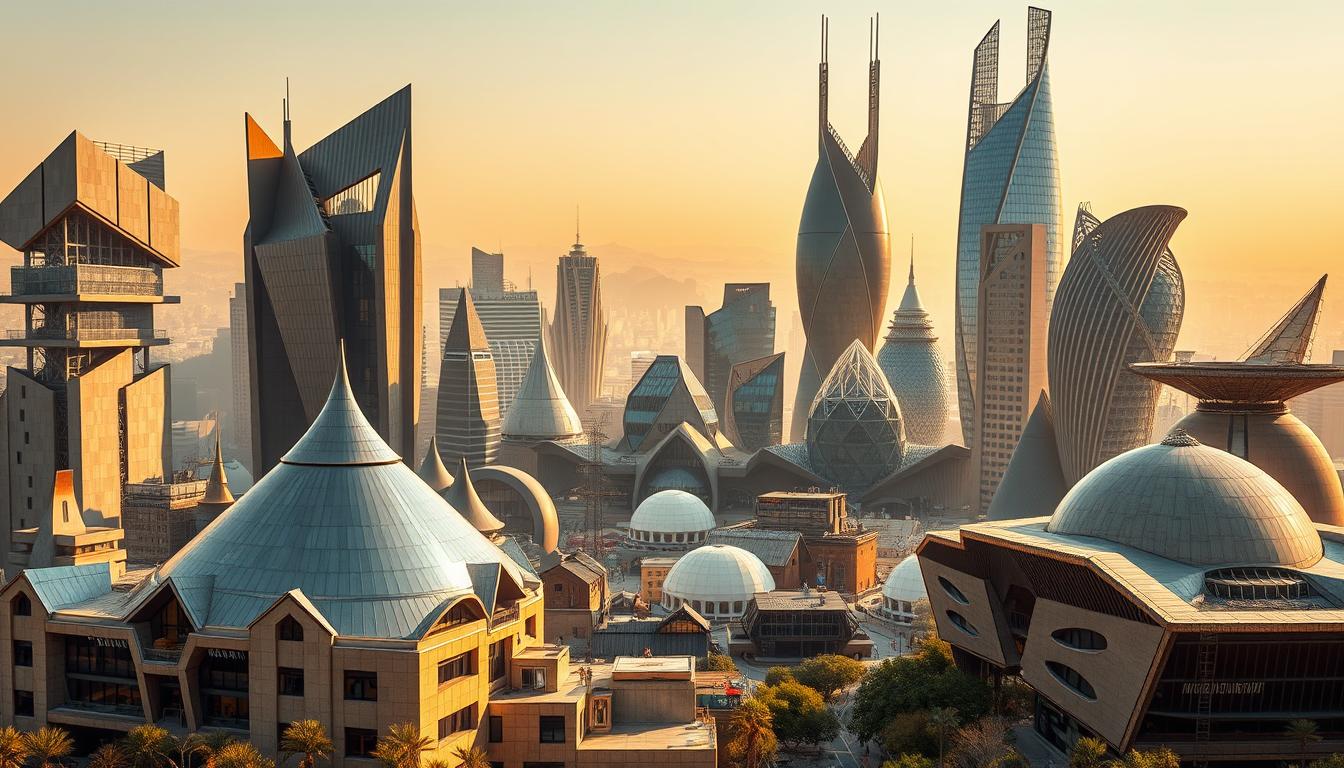
Exploring building designs shows us a wide range of unique buildings. These structures amaze and inspire us. They include modern wonders and historical sites, each with its own story.
The variety in architecture styles shows our creativity and drive to make something special. As we explore building designs, we learn what makes each one unique.
This article will take you on a journey to some of the most interesting unique buildings worldwide. We’ll see what makes them special and the stories behind them.
Introduction to Architecture Styles
Diversity in architectural styles shows the rich tapestry of human experience. It’s shaped by culture, history, and geography. The different styles of architecture reflect the unique traits of their times and places.
The evolution of building styles is complex. It’s influenced by many factors. Cultural exchange, historical events, and geography all play big roles.
Architectural diversity is more than looks. It also shows technological progress and societal values. New materials and techniques let architects create new building styles.
Preserving historical styles connects us to the past. It gives us a sense of continuity and cultural identity.
The mix of styles of architecture has given us a rich heritage. Each style, from Gothic to modern, has its own story. Understanding this architectural diversity helps us see the beauty and complexity of human creativity.
Exploring architecture shows us that styles are more than buildings. They hold history, culture, and human experience. They inspire and influence us, showing the power of human ingenuity and creativity.
Classic Architecture Styles
From Greek Revival to Federal, classic architectural styles use classical elements and symmetry. These styles have shaped many historical cities’ architecture.
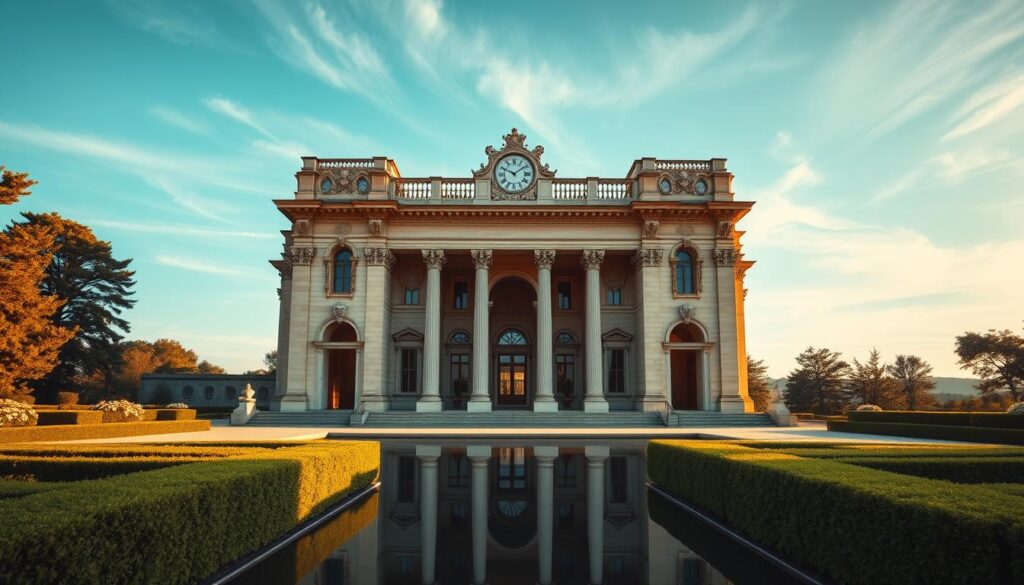
Classic architecture reflects the culture and values of its time. Buildings like the U.S. Custom House in Savannah, GA, and the Dolley Madison House in Washington, DC, show off these styles.
Historical Significance of Classic Architecture
Classic architecture is more than looks; it tells us about history. Classical elements like columns, arches, and domes connect us to ancient cultures.
These traditional styles are preserved and inspire today’s buildings. They link us to the past, giving us a sense of history and identity.
Modern Architecture Trends
The world of modern architecture is changing fast. New technologies and changing needs are leading the way. We’re seeing buildings that are not only beautiful but also good for the planet.
Contemporary styles in architecture focus on function and sustainability. We’re seeing more green materials, energy-saving systems, and smart homes. These changes help us live better in a fast-changing world.
Technology is a big player in architectural trends. Tools like BIM and 3D printing let architects dream big. They can create complex designs with less waste.
Our needs are also shaping modern architecture. With more people working from home, offices are changing. Architects are designing spaces that are flexible and good for our health.
Emerging Trends
New trends include using sustainable materials and adding nature to buildings. We’re also seeing buildings that can handle climate change. These changes make our buildings better for the future.
As architectural trends keep evolving, we’ll see even more cool stuff. The future of modern architecture is bright. We’ll have buildings that are not just useful but also beautiful and inspiring.
Regional Architectural Styles in America
Across America, different architectural styles have emerged. These styles are shaped by local culture, history, and environment. The country’s varied landscapes, from deserts to forests, have greatly influenced these styles.
Spanish Colonial Revival in the Southwest stands out. It uses stucco, terracotta tiles, and ornate metalwork. This style honors the region’s Spanish roots. Buildings are built to handle the hot, dry weather, with thick walls and shaded areas.
The Greek Revival style in the Northeast is different. It features pediments, columns, and elements inspired by ancient Greece. This style was popular in the mid-19th century and reflects the era’s cultural and intellectual trends.
The Craftsman style is common in California and the Pacific Northwest. It focuses on handcrafted details and natural materials like wood and stone. This style is known for its low-pitched roofs, wide eaves, and decorative trusses.
These styles not only show local culture and history but also adapt to the environment. Learning about these styles helps us understand America’s rich architectural heritage.
Contemporary Architecture
New technologies are changing how buildings are designed. Innovative designs and modern materials are making structures that look good and are good for the planet.
Today’s architecture focuses on being green and saving energy. Architects use green tech and materials to cut down on harm to the environment. This makes buildings better for people and the planet.
Materials like recycled plastics and wood from sustainable forests are getting more use. They help reduce waste and save energy.
Architects are also using tech to make innovative designs that were once dreams. Tools like 3D printing and parametric design are making new things possible.
Looking ahead, architecture will keep shaping our world. By using new tech and green practices, architects can make buildings that are good for everyone and the planet.
Exploring Traditional Styles
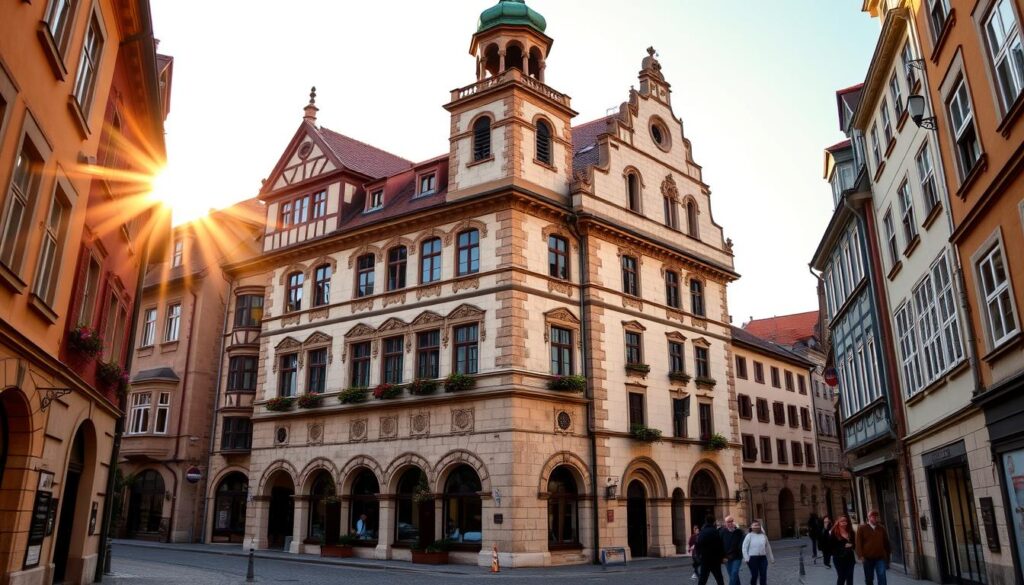
The charm of traditional architectural styles comes from their deep history and timeless appeal. These classic designs have shaped our culture, giving us a peek into the past. They connect us to our heritage.
Timeless designs are more than just pretty to look at. They hold deep cultural and historical value. Buildings kept in their original state link us to our past, showing us tradition and continuity.
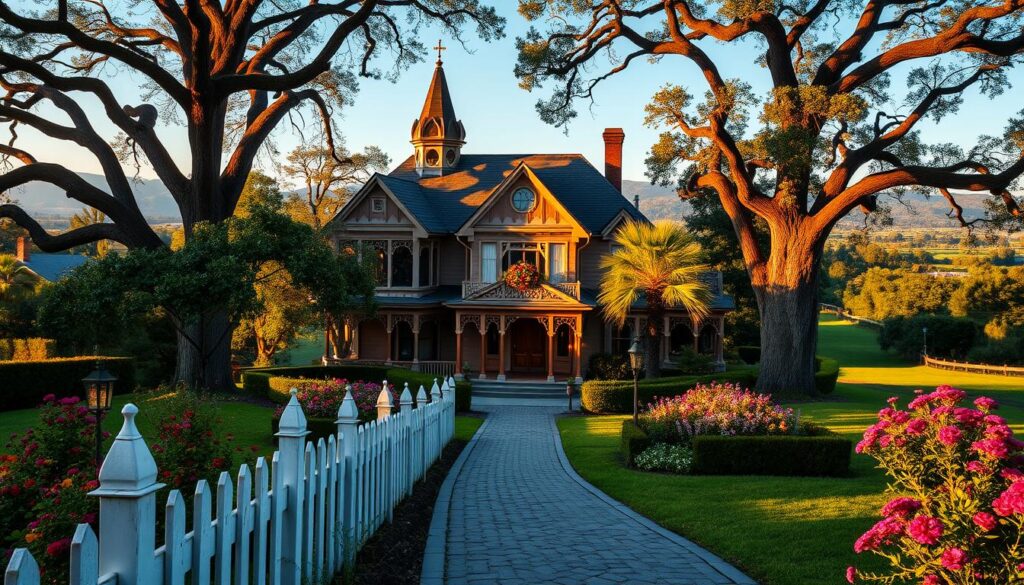
Across the United States, you can find many classic building styles in historical landmarks. From old colonial homes to grand Victorian mansions, these buildings tell stories of their time. They show us the tastes and skills of their era, giving us a glimpse into the past.
Keeping traditional architecture alive is key to our cultural heritage. It lets future generations learn from and appreciate our history. They get to see how architectural styles have changed over time.
In the end, traditional architectural styles continue to enchant us with their beauty, history, and cultural importance. By preserving and celebrating these designs, we honor our past and make our present richer.
Eclectic Architecture
Eclectic architecture is all about mixing different styles to create something new and interesting. It combines various historical and cultural influences. This results in unique building designs that catch the eye and make you think.
This style is known for its mixed styles. Architects use elements from different traditions, like classical columns and modern materials. This mix creates a facade that is both eye-catching and dynamic.
Creating eclectic architecture takes a lot of creativity and knowledge. Architects must balance different elements to make a cohesive whole. It’s a challenging task that requires a lot of skill and attention to detail.
Eclectic architecture can be seen in buildings worldwide. These structures show the style’s versatility and creativity. From homes that mix old and new to public buildings with historical touches, there’s a lot to see.
In short, eclectic architecture is a fresh take on traditional styles. It celebrates diversity and mixed styles, leading to unique building designs that inspire. As architects keep exploring this style, we’ll see even more amazing examples in the future.
Notable Architects and Their Styles
Influential architects have shaped the U.S. architectural scene. Their designs have made a lasting impact on our environment.
Benjamin H. Latrobe was a pioneer in introducing Neoclassicism to America. His work on the U.S. Capitol shows his influence in the early 19th century.
Charles Bulfinch helped develop Federal-style architecture. His designs for government buildings and homes showcased elegance and sophistication.
These architects’ work is seen in many historical buildings today. Their designs reflected the trends of their time and shaped American architecture’s future.
Many architects have followed in their footsteps. Their work was influenced by culture, technology, and geography.
The legacy of these influential designers is seen in today’s architecture. Many modern architects find inspiration in their work.
The Role of Technology in Architecture
Technology has changed architectural design a lot. It lets architects create new and innovative buildings. Now, we can make complex and green buildings thanks to technology.
3D printing is big in architecture now. It helps make detailed designs and models fast. This tech makes designing easier and opens up new creative ways.
“The use of technology in architecture has enabled us to create buildings that are not only aesthetically pleasing but also environmentally sustainable.”
Innovative materials are key in modern architecture. New materials like recycled plastics and low-carbon concrete help the environment. They make building projects less harmful.
Smart building technologies make buildings better. They include systems for managing energy, lighting, and climate. These make buildings more efficient and green.
Technology keeps getting better, and so will architecture. The future looks bright for architectural design. We’ll see more green, efficient, and beautiful buildings.
Preservation of Historical Styles
Keeping historical architectural styles alive is very important. It helps us understand who we are today. Historical buildings are more than just buildings. They connect us to our past, showing us what life was like back then.
It’s key to keep these architectural treasures safe. This lets future people see the skill and history behind these buildings. But, it’s hard because buildings can get old, cities grow, and we need new things too.
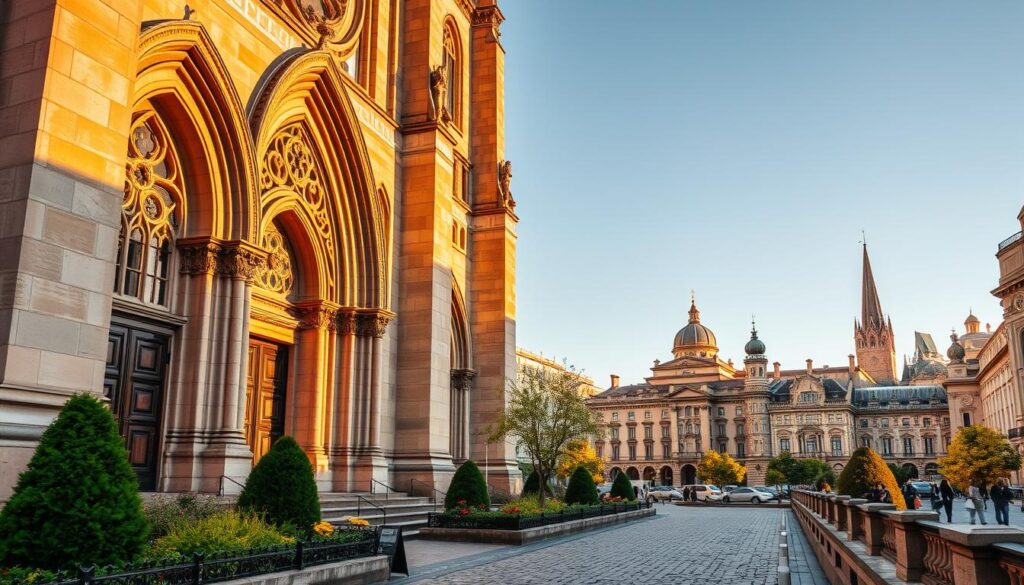
Even with these problems, we’ve seen great success in saving old buildings. Places like Charleston, South Carolina, and New Orleans, Louisiana, have kept their old looks. This has also helped their local businesses by bringing in tourists.
Keeping old building styles also helps our community feel connected. It shows how our culture and values have shaped us. We must find a way to keep old buildings useful and relevant today.
In short, saving historical architectural styles is a big job. But, it’s essential. By protecting cultural heritage and keeping historical significance alive, we make sure our future is connected to our past.
The Future of Architectural Design
The future of architecture is changing fast. New tech, green concerns, and shifting needs are leading the way. We’re seeing buildings that are not only good for the planet but also better for people living in them.
New tech is making buildings smarter and greener. 3D printing is changing how we build, making it faster and more complex. Smart tech is also making buildings use less energy and waste less.
As cities grow, so do our needs for buildings. We want them to be beautiful, green, and able to change with the times. By following new trends and designs, architects can help build a better world for all of us.