

Creating a story around a hero archetype can grab the attention of people everywhere. This archetype is a key part of storytelling. It shows up in heroes from all cultures and stories.
Knowing about this archetype is key for writers who want to make characters people can relate to. By looking into cultural heroes, writers can craft cultural storylines that speak to many different people.
This article will explore why the hero archetype is so important in storytelling. We’ll also look at how to include cultural heroes in your stories.
Understanding Cultural Heroes
Cultural heroes are at the core of many stories. They represent the highest virtues and values of various cultures. These characters not only grab our attention but also show the significance of cultural tales in forming our values.
Figures like Harry Potter, Katniss Everdeen from “The Hunger Games,” and Wonder Woman are more than just characters. They are symbols of hope, courage, and resilience. Their stories, shared through different media, connect with people everywhere, showing the significance of cultural heroes in storytelling.
The cultural heroes phenomenon goes beyond today’s fiction. Historical figures and mythological characters also belong here. They inspire with their bravery and sacrifices. The way we tell their stories keeps their legacies alive, passing values to future generations.
Understanding cultural heroes helps us see their role in reflecting and shaping our cultural identities. Their stories give us a peek into the norms, challenges, and dreams of different times and places. This highlights the key role of storytelling in connecting us all.
Choosing Your Cultural Hero
Choosing a cultural hero means looking at the story’s themes and setting. The hero’s traits and goals are key to grabbing the audience’s attention. They help share the story’s message.
To pick a hero that speaks to your audience, you need to know the culture’s background. This means studying its customs, values, and history. For example, a hero from a community-focused culture might want to protect their family. On the other hand, a hero from a culture that values individualism might aim for personal success.
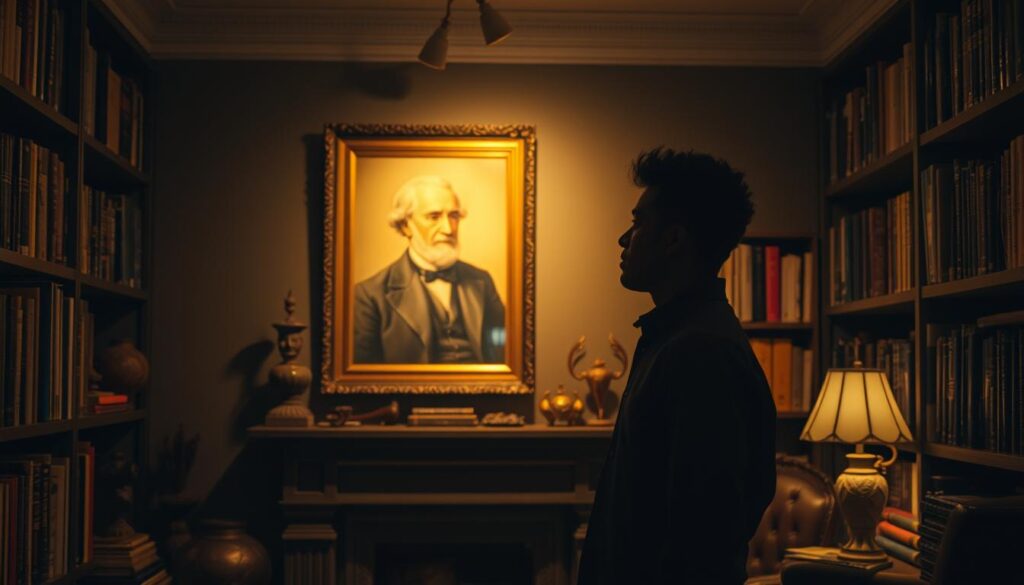
The hero’s traits should match the story’s themes. If the story is about overcoming challenges, the hero should show resilience. If it warns about the effects of actions, the hero’s story can serve as a lesson. Effective storytelling comes from making the hero’s traits feel real and engaging.
Also, the culture shapes the hero’s goals and actions. Knowing what drives the hero adds depth to the story. By picking a hero whose goals and traits fit the story and culture, you can craft a captivating cultural story that connects with your audience.
Building a Story Framework
The Hero’s Journey, made famous by Joseph Campbell, is a great way to tell stories about cultural icons. It’s used in books and movies to make stories that grab people’s attention.
The Hero’s Journey is all about change. It shows how a hero moves from their normal world to a special one and back, changed forever. Using this framework for a cultural hero’s story can make it more interesting and connect with readers.
Applying the Hero’s Journey to Your Cultural Hero’s Story
The first step is the “Call to Adventure,” where the hero starts their journey. For a cultural hero, this could be a big challenge or chance that sets them on their path.
For example, in stories about famous people, the call to adventure might be a time of great need or a challenge that shows their bravery and determination.
“The journey of a thousand miles begins with a single step.” – Lao Tzu
As the hero goes through the stages, they meet mentors, face obstacles, and grow a lot. The “Ordeal” stage is key, as it tests the hero’s courage, determination, and smarts.
By using the Hero’s Journey, writers can make a strong story arc for their cultural hero. This draws readers into the story and shows the hero’s growth in a way that touches the audience.
Developing Your Hero’s Character
Creating your hero’s character is a detailed task. It involves thinking about their good traits, flaws, and the culture they live in. A cultural hero is more than just admired; they are a complex person with a deep inner world.
To make a character stand out, you need to understand their motivations and what drives them. What sparks their actions? What are their goals, and how do they fit into the story you’re telling?

A hero should have qualities we can all relate to, like courage, selflessness, and determination. But, it’s also key to show their flaws and weaknesses. This makes them more real and human. A mix of strengths and weaknesses makes a character we can really connect with.
The culture your hero lives in is also very important. Knowing the history, society, and culture of their time adds depth to their story. It’s about making a character that speaks to us and shows the values and struggles of their era.
In storytelling, making a cultural hero is a fine art. It needs patience, insight, and a deep grasp of human nature. By focusing on the complexities of your hero’s character, you can create a story that grabs and moves us.
Setting the Scene
The cultural context of your hero’s journey is key to grabbing your audience’s attention. Setting the scene right brings your story’s world to life. It makes the cultural, social, and historical settings vivid.
To make your setting immersive, think about the era, location, and cultural practices of your hero’s world. For example, if your hero comes from a specific indigenous culture, knowing and showing their traditions and beliefs adds depth. Attention to detail is vital for a believable and engaging story.
The setting should do more than just set the stage; it should shape your hero’s actions and decisions. The cultural context affects the challenges, allies, and conflicts your hero faces. By integrating the setting deeply into your story, you create a narrative that connects with readers on many levels.
In storytelling, the setting is more than just a location and time. It’s about creating an atmosphere that pulls readers in. It’s about using cultural, social, and historical context to tell a story that’s both unique and relatable. This way, you honor your hero’s culture and make the story more engaging for your audience.
The secret to setting the scene well is thorough research and understanding the cultural context. By mixing vivid descriptions with a deep grasp of cultural nuances, you can take your readers to a world that feels real and captivating.
Crafting a Compelling Narrative
A well-crafted narrative is key to sharing a cultural hero’s story. It must be both informative and engaging. This draws readers into the story.
The story’s structure is vital in storytelling. It’s the framework for the hero’s journey. A typical story has an intro, build-up, climax, and resolution. This structure helps the story connect with readers.

Pacing is also important in narrative development. It controls how fast or slow the story moves. A good pace keeps readers hooked and interested.
The tone of the narrative is critical too. It sets the emotional mood of the story. A respectful and empathetic tone makes the story more relatable and impactful.
“The narrative is the backbone of any story, providing the context and depth that make it meaningful and engaging.”
In conclusion, creating a compelling narrative needs careful thought on structure, pacing, and tone. By focusing on these, writers can craft a cultural story that captivates and resonates with readers.
Incorporating Cultural Elements
Adding cultural elements to your story is a careful task. It needs a deep understanding of the cultural practices and traditions you want to show.
When telling a story about a cultural hero, it’s not just about the hero. It’s also about the cultural context that shapes them. Authenticity is key to making your story believable and engaging.
To get this right, research is essential. You need to learn about the cultural practices, traditions, and values that fit your story. It’s about understanding the unique aspects of a culture and adding them in a respectful and accurate way.
One way to add cultural elements is to create a vivid setting. Describe cultural festivals, traditional clothing, or local cuisine in a way that feels real and engaging.
Another method is to include cultural values and practices in the story. Make them a big part of your hero’s journey. This adds depth and makes the story more relatable to those who know the culture.
By adding cultural elements in a true way, you can make a story that’s not only fun but also respectful and meaningful to the culture you’re representing.
Research and Authenticity
Creating a true story about cultural heroes needs careful research and understanding of culture. To make a story that connects with readers, you must explore the cultural background and details of your hero’s tale.
Doing deep research means getting the right facts about cultural practices, history, and social norms for your story. This boosts the authenticity of your tale and keeps it free from cultural mistakes.

Getting advice from cultural experts or people from the culture you’re writing about is a smart move. Their views can add depth and accuracy to your story.
It’s also key to be careful with cultural sensitivities and stereotypes. Writers should aim to show cultural elements in a way that’s both respectful and true. This makes the cultural story richer and more meaningful.
By focusing on research and authenticity, writers can craft engaging stories. These stories not only grab the audience’s attention but also help deepen our understanding of cultural heroes and their importance.
The Role of Conflict in Your Story
In a story about a cultural hero, conflict is key. It makes the story exciting and full of tension and drama. This keeps the audience hooked.
There are many kinds of conflict in a hero’s tale. Internal conflict comes from within the hero. It might be because of conflicting desires or values. For example, a hero might wrestle with the rightness of their actions, adding depth to the story.
External conflict comes from outside the hero. It could be other characters, the environment, or society’s expectations. This conflict can be a direct challenge or obstacle for the hero to conquer. For instance, a hero might face opposition from a rival group or navigate a dangerous landscape.
Interpersonal conflict happens between characters. It shows the hero’s relationships and the challenges they face. This can include disagreements with friends, foes, or loved ones, making the story more complex.
To make conflict work in your story, balance is key. Too little conflict makes the story dull, while too much can be overwhelming. The goal is to build up to a climactic end, keeping the audience interested in the hero’s journey.
By using different types of conflict, writers can create a gripping story. This story not only honors the cultural hero but also connects with the audience. Conflict makes the hero’s journey more relatable and powerful.
Publishing and Sharing Your Story
After you’ve written a great cultural story, it’s time to share it. You can choose from many ways to publish and share, like traditional publishing, self-publishing, or digital platforms.
Think about who you want to read your story and where they are. You might publish it as an e-book or print book on sites like Amazon Kindle Direct Publishing or IngramSpark. Or, you could share it on digital sites like Medium or WordPress.
When you share your story, make it easy for people to find and read. Use catchy titles, descriptions, and keywords. This way, you can inspire and teach your audience about the cultural hero you’ve created.