
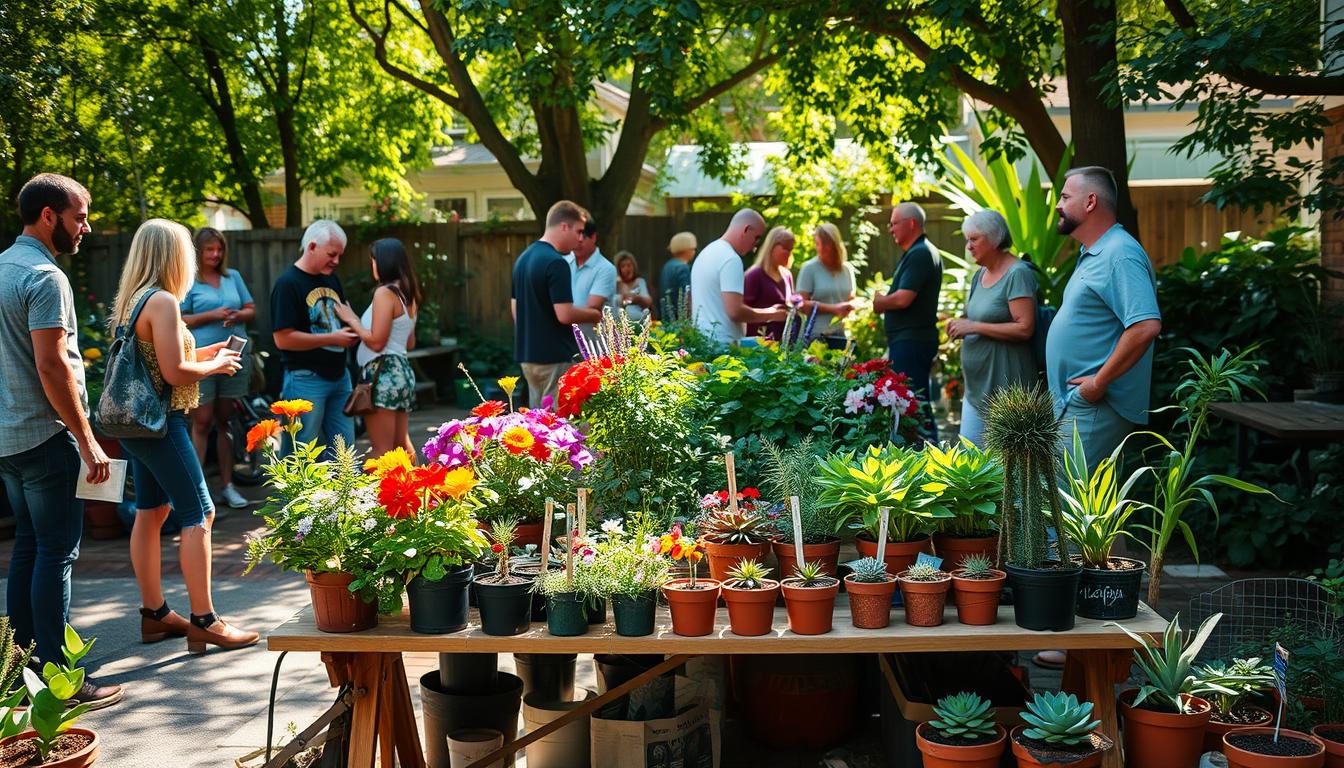
Trading plants with your neighbors can be a fun and rewarding experience. It fosters a sense of community and promotes sustainability in your neighborhood.
By hosting or participating in a plant swap, you can share and acquire new plants. You can also exchange gardening tips and build relationships with those living nearby. These events not only enhance your gardening skills but also contribute to a more sustainable lifestyle.
Organizing a community garden swap is simpler than you might think. With a few straightforward steps, you can create a successful event. This event brings your neighborhood together.
The Joy of Plant Trading
Plant trading is more than just swapping plants. It’s about making friends with other gardeners and making our gardens more diverse. It’s a fun way to add new plants to your garden without spending a lot of money.
Trading plants is good for your wallet and the planet. It lets gardeners update their gardens without using up lots of resources. This way of gardening saves money and helps the environment.
Economic Benefits of Trading vs. Buying
Trading plants with neighbors or at local swaps can save you a lot of money. For example, you can swap a grown plant for a new one you’ve always wanted. This not only saves cash but also brings new life to your garden.
Economic benefits of plant trading include saving money on gardening. By trading, you can get new plants without spending money upfront. Plus, it’s better for the planet because it reduces waste and carbon emissions from buying new plants.
Plant trading also helps build a community of gardeners. It’s a chance to share tips, learn from others, and make friends. As one gardener said, “Plant trading is about more than just plants; it’s about the connections you make along the way.”
“The community aspect of plant trading is just as valuable as the plants themselves. It’s a way to learn from others and share your own experiences.”
In short, plant trading is a win-win for gardeners. It offers economic benefits, promotes sustainability, and builds a community of gardeners. It’s a fun and rewarding hobby.
Understanding the Community Garden Swap Concept
The idea of a community garden swap is simple yet powerful. It lets gardeners exchange plants, seeds, and knowledge. People come together to share their gardening stories, building a strong community bond.
These neighborhood events unite people who love gardening. They offer a chance to learn from each other. By swapping, gardeners can grow a wider variety of plants without buying new ones.
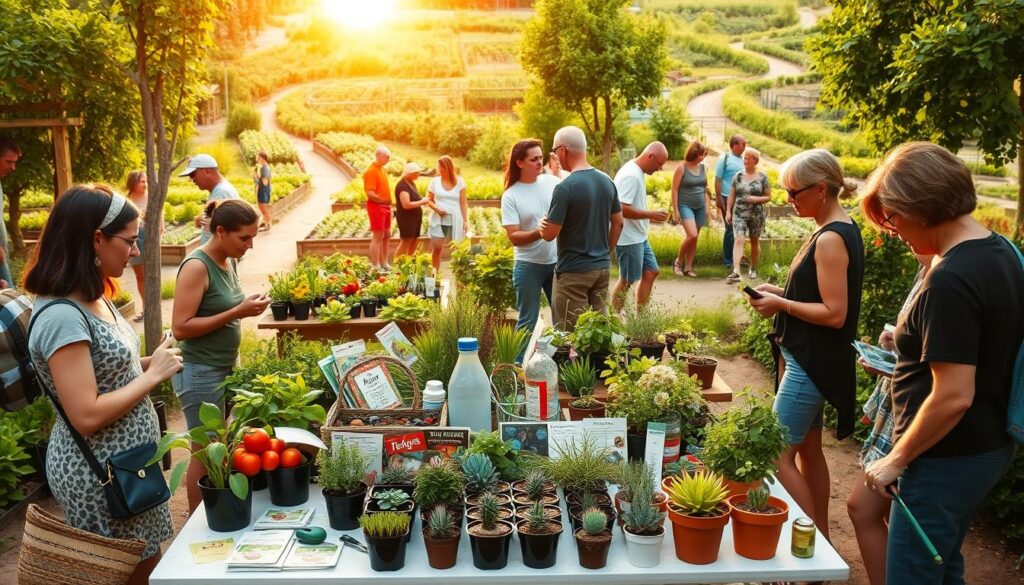
A community garden swap can happen in many ways. It might be a casual meet-up in a park or a bigger event with vendors and workshops. The main goal is always the same: to strengthen the gardening community.
These gatherings do more than just promote gardening. They also help the environment by cutting down on waste. Gardeners can share tips and experiences, making the community a better place for everyone.
Joining or helping to organize a community garden swap makes a neighborhood more lively and connected. It’s a great way to meet others who share your passion for gardening.
Plants Perfect for Trading with Neighbors
Some plants are great for trading with neighbors because they’re hardy and easy to grow. It’s key to pick plants that are not only pretty but also simple to care for and share.
Succulents and Cacti
Succulents and cacti are top picks for trading. They can store water, making them tough and easy to handle. This makes them perfect for people who don’t have a lot of time to garden or are new to it. Plus, they’re easy to share because you can split them or take cuttings.
Many succulents can be split by leaf or stem, letting you share new plants. Their unique shapes and sizes also make any garden or indoor spot more interesting.
Perennials and Dividable Plants
Perennials are also great for trading. They come back every year, adding beauty to your garden for years. Many perennials can be split to make new plants, which is ideal for swapping with neighbors.
Popular perennials like hostas, daylilies, and coneflowers are easy to divide. This lets you share plants and keeps the mother plant healthy by preventing it from getting too crowded.
Trading dividable plants like perennials with neighbors can make gardening more fun. It lets you try out new plants and varieties, building a sense of community and cooperation.
How to Prepare Plants for Trading
The success of a plant trade depends on how well you prepare your plants. Making sure they are healthy and ready to go shows you care. It also makes you look good as a trader.
Water Propagation Methods
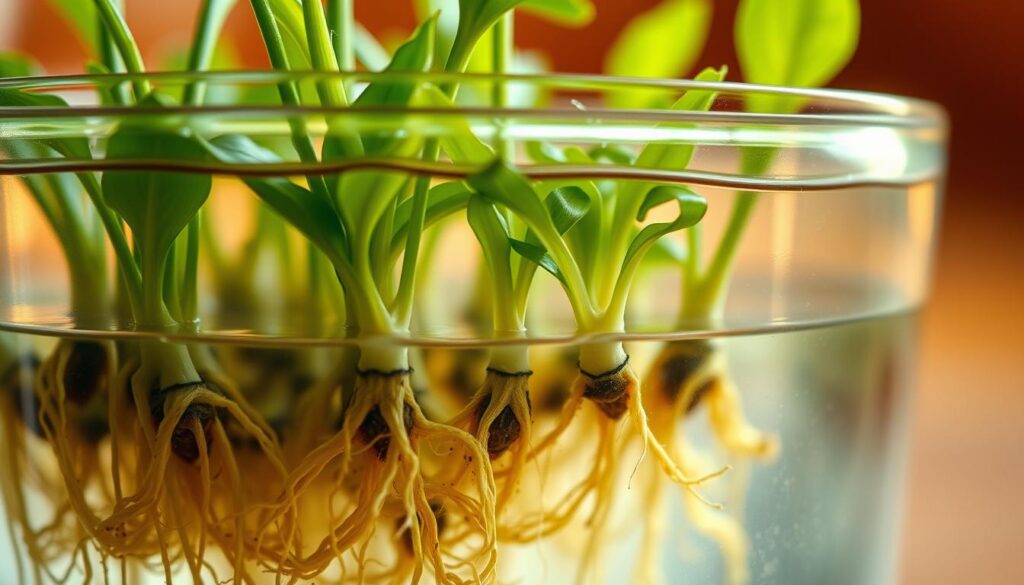
Water propagation works well for plants that love water. Plants like Pothos and Philodendron do great in water. To start, cut a stem, remove leaves, and put it in water.
Make sure the node is under water because roots grow there. Keep the water clean to stop bacteria.
A famous horticulturist once said, “Propagation is not just growing plants; it’s sharing life.”
This method lets you watch roots grow and transplant when ready.
Soil Propagation Tips
Soil is better for plants that like the old-fashioned way. Use a mix that drains well and pots with holes. Soak the soil before planting, but don’t overwater to avoid rot. Succulents and cacti do well in soil.
Check your plants for pests and diseases before trading. Healthy plants are more likely to thrive and attract buyers. Good preparation and care lead to a great trading experience.
Organizing Your First Community Garden Swap
Hosting a successful community garden swap requires careful planning and effective promotion. It brings together gardening enthusiasts and builds community among neighbors.
Digital and Physical Promotion Strategies are key to attracting participants. Use social media to create an event page and invite neighbors. Post eye-catching flyers in local spots and gardening stores to spread the word. Also, advertise in local newsletters or gardening magazines.
Digital and Physical Promotion Strategies
Maximize your reach by combining digital and physical strategies. Create a Facebook event or group to engage with participants. Share updates, tips, and sneak peeks of plants.
For physical promotion, distribute flyers in your neighborhood and local stores. Partner with nurseries or gardening clubs to promote your event.
Ensuring fair trading is vital for your swap’s success. Set clear guidelines for plant quality and trading rules. For example, plants must be healthy and well-cared for.
Consider a system where participants get “trading tokens” for their plants. They can then use these tokens to “purchase” plants from others.
By following these strategies, you can host a thriving community garden swap. It’s a wonderful way to share knowledge, resources, and the joy of gardening with your community.
Digital Platforms for Finding Plant Trading Partners
Finding plant trading partners is now easier than ever. The rise of digital platforms has made it simple for gardeners to connect worldwide.
One great way to find trading partners is through social media groups for gardening. Facebook and Instagram have many groups. Gardeners share their experiences, show off their plants, and look for trading partners there.

Online forums and gardening apps are also excellent resources. They offer a place for gardeners to talk about their interests, share knowledge, and plan swaps. Using these digital platforms, gardeners can grow their network and find the right trading partners.
To get the most out of these platforms, being active and engaging is key. Clearly share your interests and needs. This way, you can build strong connections and successful trading partnerships.
Etiquette and Best Practices for Plant Trading
When trading plants with neighbors, it’s key to follow some rules. This makes the experience better for everyone.
Being honest about a plant’s health is very important. You should tell the other person if the plant has pests or diseases. Honesty builds trust, which is vital in any trading group.
Pest and Disease Disclosure
Check the plant for pests or diseases before trading. If you find any, tell the other person. You can say it when you give them the plant or write a note with care tips and any problems. Clear communication helps avoid confusion and keeps everyone in agreement.
Other good practices include labeling plants well and giving care tips. This shows you care and helps the other person take good care of the plant. Following these steps helps create a friendly and reliable plant trading community.
By being careful with plant trading etiquette and following best practices, you make sure everyone has a good time. Whether it’s a rare succulent or a simple herb, being honest, considerate, and clear is always the right thing to do.
Legal and Ethical Considerations in Plant Trading
As community garden swaps grow, knowing the legal and ethical sides of plant trading is key. It’s important to make sure plants are legally obtained and follow local rules.
Gardeners need to understand laws about plant patents and intellectual property rights. Some plants are patented, and trading them without permission can lead to legal trouble. Also, check if the plants won’t harm local ecosystems by being invasive.

From an ethical view, being open about a plant’s origin and health is vital. Gardeners should share any known problems with the plants they trade. Also, respect others’ rights by not growing patented plants without permission.
By keeping these legal and ethical considerations in mind, gardeners can make sure plant trading is good for everyone.
Beyond Basic Swapping: Creative Community Garden Events
Community garden events can do more than just plant swaps. They can bring people together and make gardening more fun. By adding different activities, gardeners can learn from each other and grow closer.
Hosting workshops and lectures is a great idea. These can teach about organic gardening, garden design, and more. For example, a composting workshop can teach gardeners how to garden better and help the planet.
Creating regional plant trading communities is also a smart move. It lets gardeners from different places share plants and ideas. This makes gardening more interesting and helps plants thrive.
Events like plant trading days are perfect for this. Gardeners can swap plants and share tips. Online platforms can also help connect gardeners and plan events, making it easy for everyone to join in.
By being creative and welcoming, community garden events can become a key part of gardening communities. They encourage sharing and teamwork, making gardening a fun and rewarding activity.
Cultivating Community Through Shared Green Spaces
Community garden swaps and shared green spaces help build community. They promote a sense of shared purpose. By trading plants and gardening together, people connect with their neighbors.
These efforts bring people together around a common goal. They encourage cooperation and mutual support. Working in green spaces, people feel a sense of belonging and community pride.
The effects of these efforts go beyond the garden. They make communities more connected and environmentally aware. By adopting shared gardening practices, people help build a vibrant, resilient community that values cooperation and sustainability.