
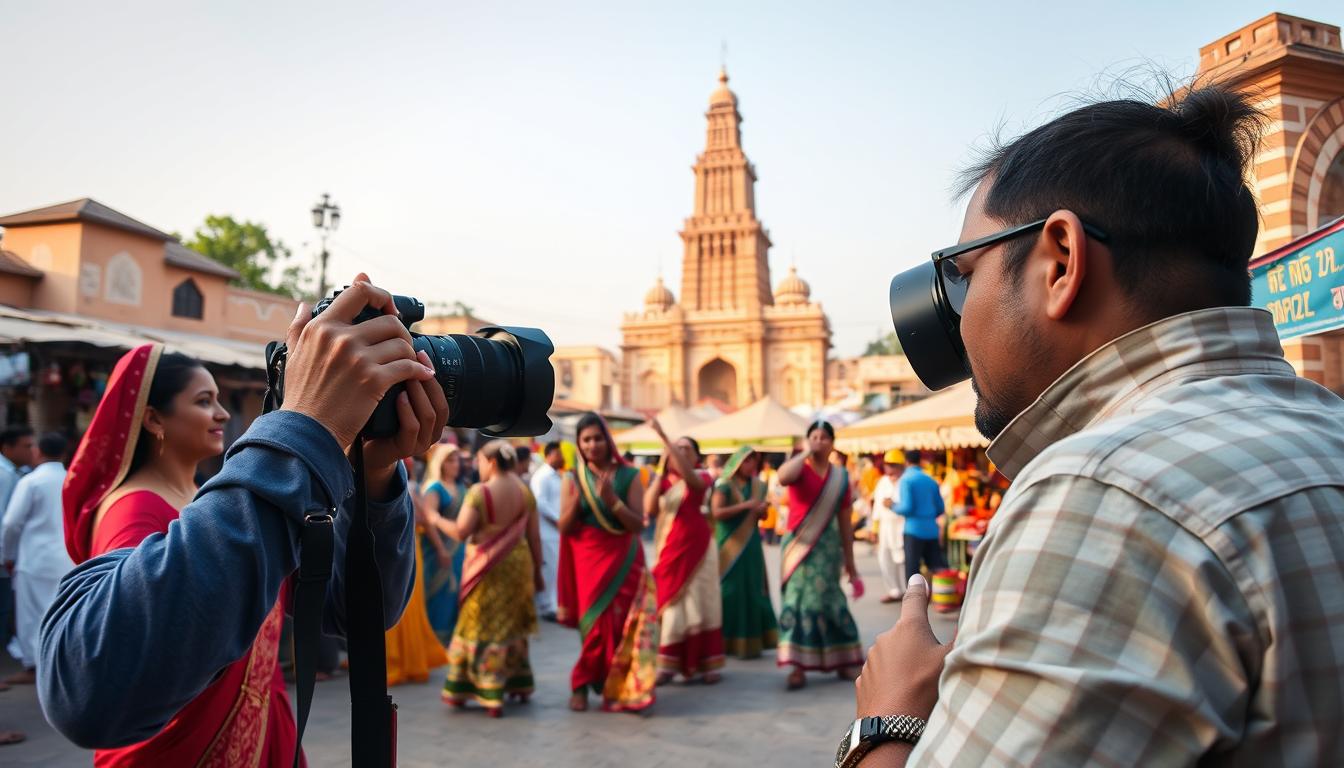
Photography is a great way to dive into a place’s rich heritage. With social media, travel photography has grown, letting people share their adventures worldwide.
But, this trend also brings up issues like cultural sensitivity and too many tourists. It’s key to respect the local culture and environment when taking photos. We’ll look at how to take photos that are both meaningful and respectful of cultural spots.
Understanding Cultural Photography
To take meaningful photos, you must first understand cultural awareness in photography. It’s important to practice cultural awareness to take better images and enjoy your journey more. It means being mindful of local culture and customs when you take photos.
Knowing about cultural photography is key to capturing real and meaningful images. It’s about knowing the local culture and customs. It also means being respectful of the people and places you photograph. This way, you can show the beauty of a place and tell a story through your photos.
Photography etiquette is very important in this process. It’s about respecting people’s privacy and dignity. This includes asking for permission before taking someone’s picture. It also means being considerate of cultural norms and avoiding behavior that disrupts.
Respectful photography helps build trust between the photographer and the subject. When done right, it leads to more genuine and powerful photos. It’s not just about capturing a moment. It’s about doing it in a way that is considerate and respectful of the cultural context.
Choosing the Right Location for Cultural Photos
Exploring new places is key to finding unique cultural hotspots for photos. Going off the beaten path can lead to original shots and real experiences.
When looking for the perfect photography locations, research is key. Look for areas rich in cultural significance. This might include local markets, historical sites, or community events.
Identifying Off-the-Beaten-Path Locations
To capture real cultural moments, visit off-the-beaten-path spots. These places offer a true look at local culture, away from tourist crowds.
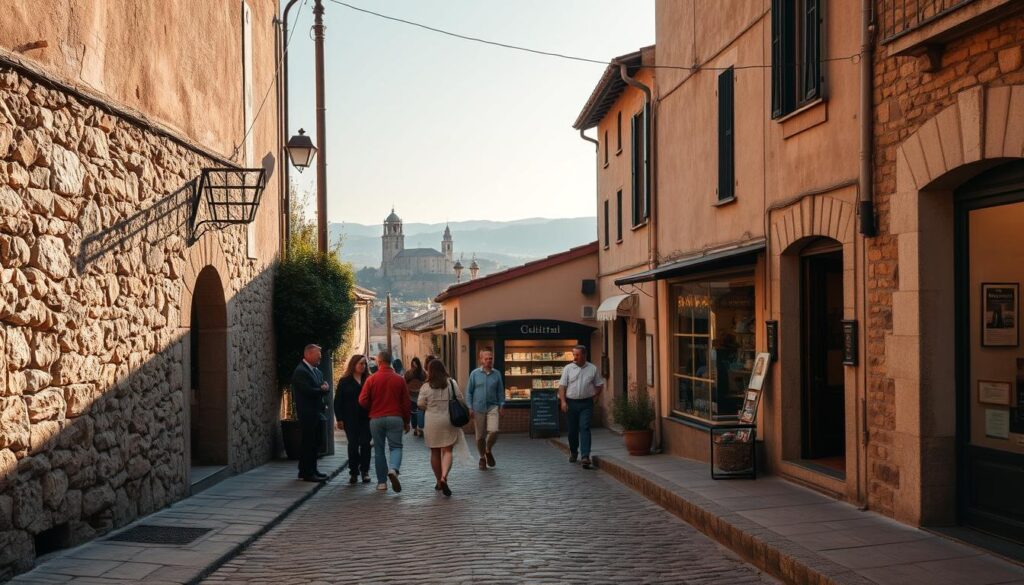
Exploring unknown areas lets photographers find unique cultural practices and traditions. This approach makes photos better and enriches the cultural experience.
The right spot can make cultural photography more engaging and meaningful. With research and a desire to explore, photographers can find the hidden gems that make cultural photography rewarding.
Preparing for Your Cultural Photo Shoot
Cultural photography is more than just taking pictures. It needs preparation and understanding. Before you start, make sure you’ve done your photography planning.
This means doing cultural research to learn about local customs and traditions. This way, your photos will be respectful and meaningful.
Understanding Local Culture and Customs
It’s important to research the local culture and customs. This includes knowing the best times to visit and what’s considered polite. It also means understanding local photography rules.
In some places, taking pictures is not allowed in certain areas or during special events. Knowing this can help you avoid causing offense and make your shoot smoother.
Also, knowing the cultural context can make your photos more authentic. It’s about connecting with the place and people. This can lead to photos that are both compelling and respectful.
In short, preparation is essential for cultural photography. With good photography planning and cultural research, your photos will be beautiful and respectful.
Capturing Authentic Cultural Moments
Photographing cultural spots is about capturing moments that tell a story. Capturing authentic cultural moments means being fully present and aware. You wait for the perfect moment to snap a photo.
To get this right, patience and observation are key. This way, your photos can show the culture and tell a story. For example, wait for a local artisan to work or a group to dance traditionally.
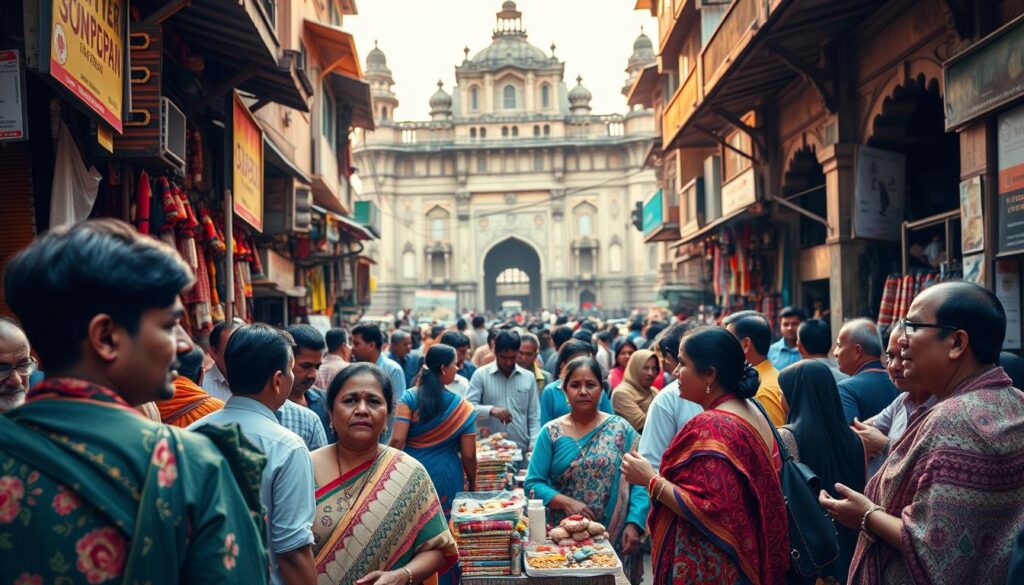
Being respectful of the culture and people you photograph is vital. This means following local customs and norms. It makes your photography ethical and improves your experience and photos.
Some photography tips include being discreet and avoiding flash. Also, engage with the local community. By doing this, you can access moments that are hidden from others.
Utilizing the Right Equipment
Capturing real cultural moments needs more than just a good eye. It also requires the right camera equipment.The quality of your photoscan improve a lot by choosing the right camera and lenses for cultural photography.
The right equipment for cultural photography depends on the shots you want to take. For wide shots of cultural landscapes or buildings, awide-angle lensis key. For portraits that show cultural heritage, aprime lenswith a wide aperture is best. It makes the background blurry, focusing on the subject.
Knowing your camera gear and how to use it is essential for great cultural photos. It’s not just about having the latest gear. It’s about using it to capture stories in your photos.
Investing in the rightphotography equipmentand learning to use it can make your cultural photos better. They will be more engaging and impactful.
Composition Techniques in Cultural Photography
The art of cultural photography is about making images that tell a story. Techniques like framing and leading lines can make your photos stand out.
Framing draws the viewer’s eye to the subject. It uses natural things like archways or trees to create a frame. “Framing is not just about enclosing the subject; it’s about creating depth and context.” It helps guide the viewer’s eye and adds layers to the story.
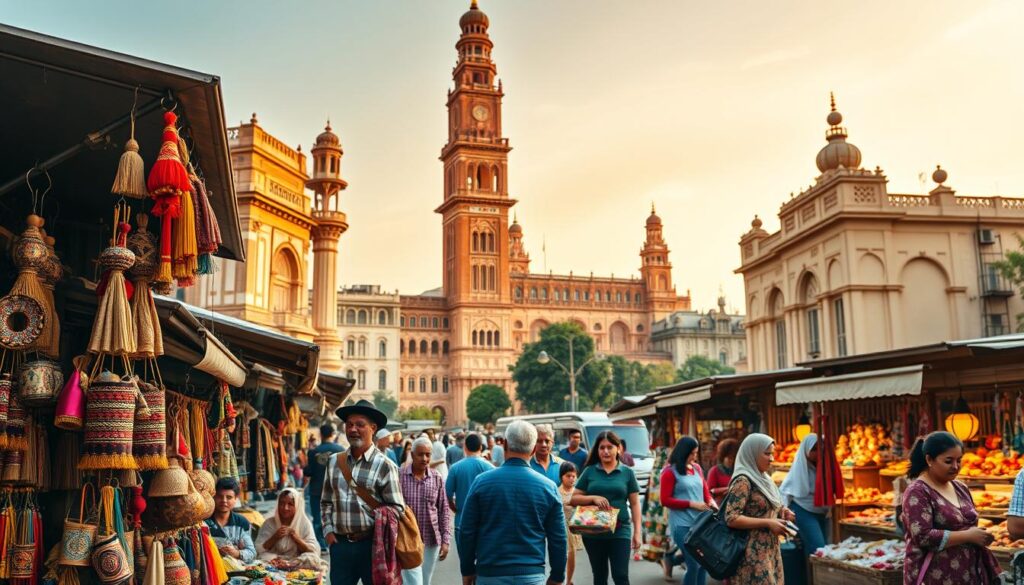
Leading lines guide the viewer’s eye to the subject. They can be roads, paths, or any continuous feature.
“The use of leading lines can transform a simple image into a dynamic and engaging visual story.”
This technique adds depth and invites the viewer to explore the image further.
Other techniques like symmetry, contrast, and perspective can also improve cultural photography. Symmetry brings order, while contrast highlights differences. Perspective adds scale and grandeur.
By mastering these techniques, photographers can capture cultural heritage. It’s about using elements in the frame to tell a story that connects with the viewer.
Post-Processing Your Cultural Images
Post-processing can make your cultural photos stand out. Learning the basics of image editing can greatly improve your photos’ quality.
Post-processing is more than just adjusting brightness and contrast. It’s about fine-tuning your photos to show the true essence of cultural moments. Good post-processing can change how people see your images.
Renowned photographer “The goal of post-processing is not to alter the reality of the scene but to enhance its authenticity.” This shows the importance of staying true to the moment while improving the image.
“The art of editing is not just about correcting flaws but about revealing the beauty that lies within the image.”
Photographers use software like Adobe Lightroom or Photoshop to tweak exposure, saturation, and sharpness. The goal is to improve the image without overdoing it.
Learning post-processing can elevate your cultural photography. You’ll create images that are not only beautiful but also full of cultural meaning.
Showcasing Your Cultural Photos
When you show your cultural photos, you’re doing more than just sharing images. You’re telling a story that can grab and teach your audience. The art of cultural photography is about capturing moments and presenting them in a way that touches viewers.
Choosing the right place to show your photos is key. It could be social media, a blog, or a photography show. Pick a spot that fits your goals and who you want to reach. For example, Instagram is great for showing off photos because it’s all about visuals and has lots of users.
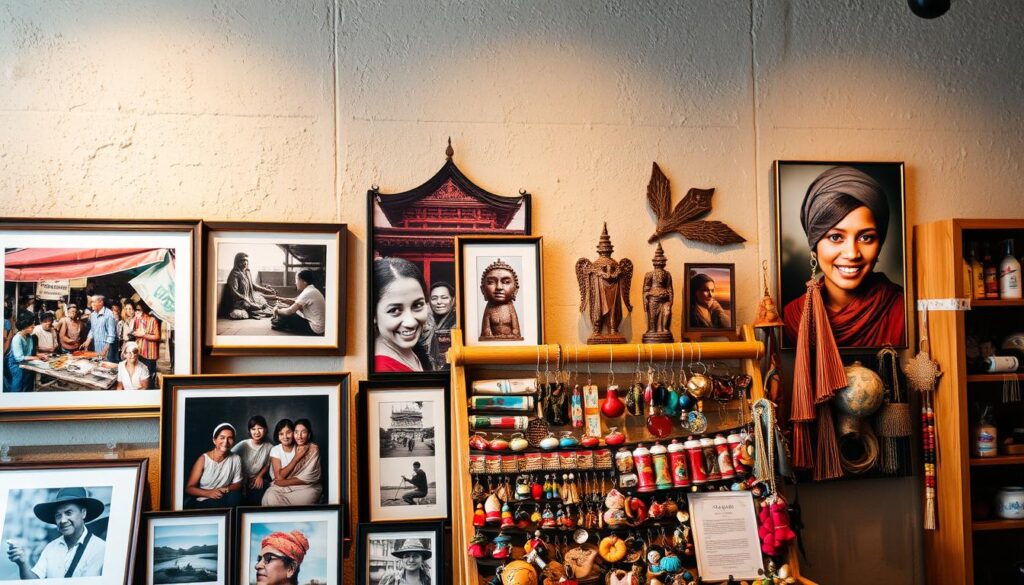
It’s also important to present your photos in a way that grabs attention. You can tell stories with your photos, share what’s happening in them, and add captions to help people understand better.
Also, showing photos gets better when you talk to your audience. Ask for their thoughts, listen to their ideas, and learn from them. This builds a community and helps you see the culture through different eyes.
The main aim of cultural photography is to share the stories and traditions of different cultures. By showing your photos well, you help make the world a more diverse and interesting place. You inspire and teach others through your photos.
Understanding Cultural Sensitivity in Photography
It’s key to know the cultural context of your photos for respectful photography. When you take pictures of cultural events, practices, or people, understanding local customs is important. This helps avoid disrespect or misrepresentation.
Being culturally sensitive means more than just knowing what to shoot. It’s also about knowing what not to capture. Some cultural practices or ceremonies are meant to be private. Respecting these boundaries is essential to keep the trust and dignity of the communities you photograph.
To practice cultural sensitivity, photographers should learn about the cultures they are photographing. This includes learning about local norms, dressing right, and being aware of your surroundings. It’s also good to talk to the community, understand their stories, and involve them in your photography when you can.
Being aware of your own cultural biases and preconceptions is important. This self-awareness, along with a willingness to learn and adapt, can make your cultural photography better and more respectful.
In conclusion, cultural sensitivity is a must in photography that shows different cultures. By being informed, respectful, and mindful, photographers can make images that celebrate cultural diversity.
Inspiring Cultural Photo Projects You Can Try
Exploring new cultures through photography is rewarding. It challenges you and lets you discover new places and cultures.
Think about documenting a local festival or cultural event. For example, the Cherry Blossom Festival in Washington D.C. or the Dia de los Muertos in Mexico. These events are full of photography inspiration and unique cultural moments.
Street art, traditional clothing, or local cuisine are also great subjects. They let you see the daily lives of people from different cultures. You can create meaningful images that show their beauty.
By doing cultural photo projects, you can see the world in a new way. You’ll improve your photography skills and create a visual story that celebrates cultural diversity.