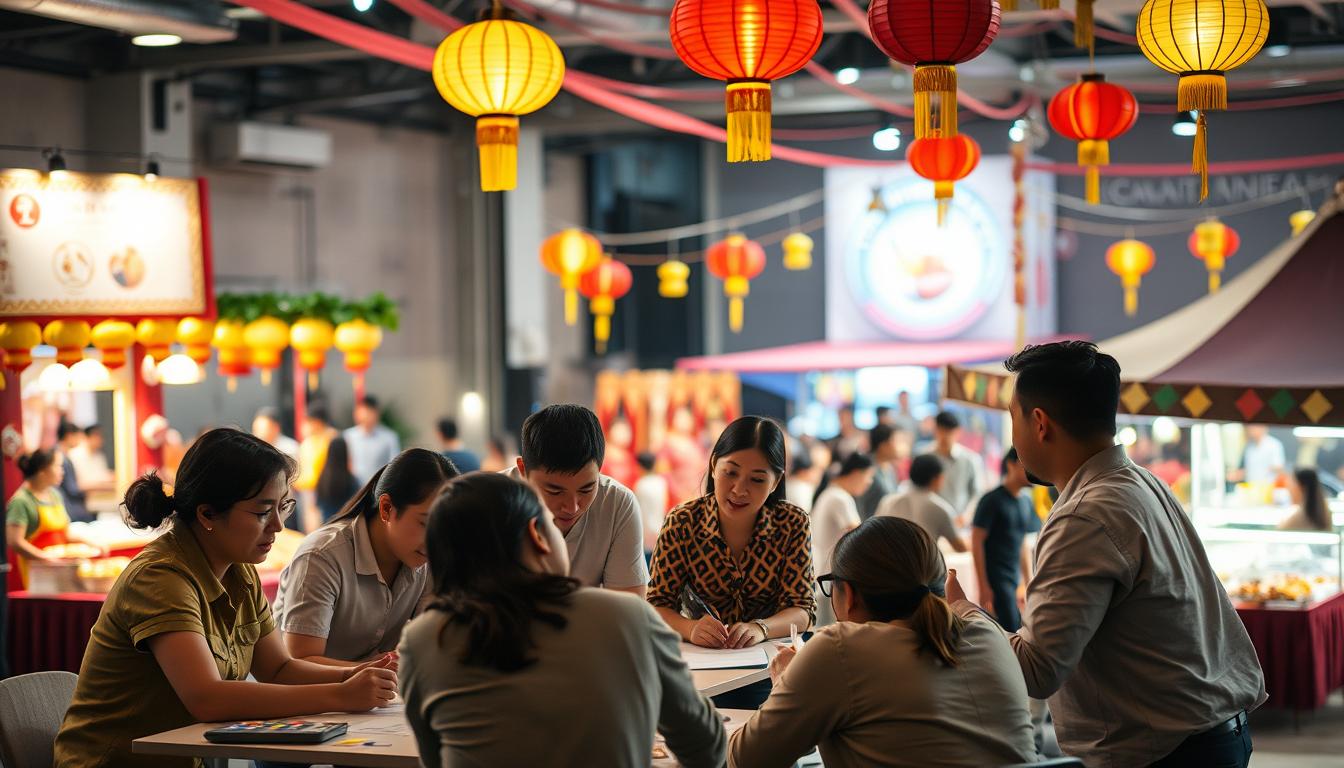
Hosting a cultural event is exciting but needs careful planning. A well-organized festival can unite people, celebrating our differences and togetherness.
We’ve made a step-by-step guide to help with your event planning. It covers key parts of festival organization. You’ll learn about setting goals, picking a date and place, and making a budget.
With this guide, you’ll be able to create a memorable event for everyone. Good planning is essential for a great event. Our guide will help you make a special day.
1. Understanding the Purpose of Your Cultural Festival
The success of a cultural festival depends on knowing its purpose and scope. First, you need a clear vision of your festival. What kind of festival is it? Is it for music, food, or arts? Knowing the event objective helps tailor the festival for your audience.
Defining the festival purpose means deciding on the cultural events and goals. Do you want to showcase local artists, celebrate heritage, or bring the community together? Knowing this guides your planning and makes your festival effective.
It’s also key to understand who you’re planning for. Knowing what they like helps you plan activities and shows they’ll enjoy. This makes the festival better and encourages people to come back.
With a clear idea of your festival’s purpose, you can make an event that truly connects with your audience. It will leave a memorable mark on everyone who attends.
2. Choosing a Theme for Your Festival
A great festival theme makes your event unforgettable. It’s the base for decorations, entertainment, food, and activities. A good theme can turn your festival into a memorable experience for everyone.
Cultural events can last from a few hours to days. Your cultural theme should be appealing for any length. For example, a festival celebrating a culture might focus on traditional music and food. A broader cultural festival could have more activities and performances.
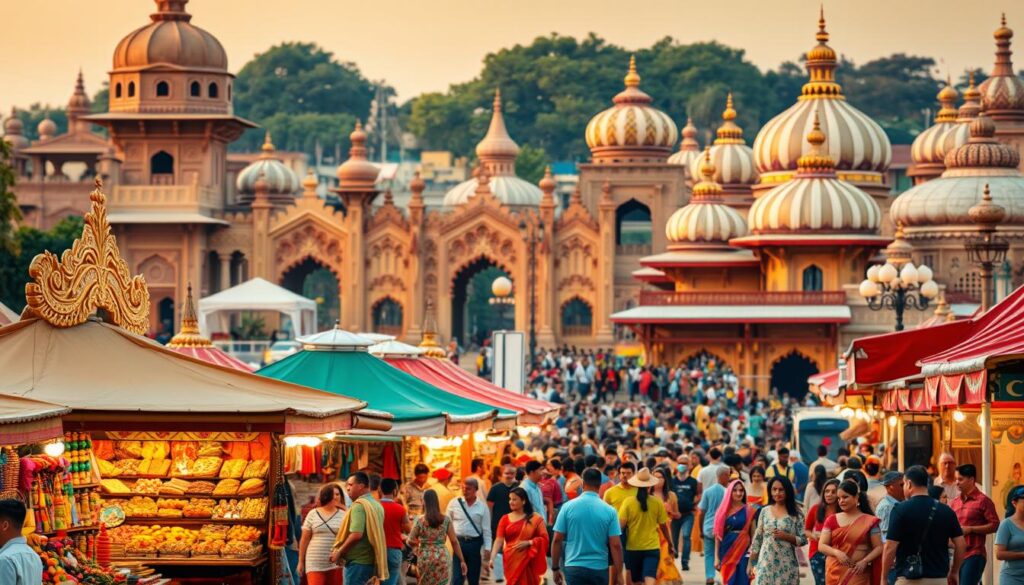
Think about who you’re planning for when picking an event concept. Are you aiming for families, young adults, or a mix? Knowing your audience helps pick a theme that will entertain them. For instance, a family-friendly festival might have more interactive fun. A festival for young adults could have live music and modern art.
The festival theme also shapes your decorations, marketing, and branding. A unified theme makes your festival look great and engaging. It makes your event more memorable and appealing to visitors.
In summary, picking the right cultural theme is key. It affects the vibe and fun of your festival. It also sets your event apart from others. By thinking about your audience and the event concept, you can choose a theme that makes your festival special and memorable.
3. Setting a Date and Time
After finding the perfect venue, it’s time to pick a date and time. Coordinating with the venue is key to make sure the day you want is free. This step is important in event scheduling to avoid conflicts or venue unavailability.
When picking a festival date, think about the weather, other events, and performer availability. It’s also important to give people enough notice to plan. Venue coordination will help find the best dates and times for your event.
After narrowing down dates, talk to your stakeholders like performers, vendors, and staff. Make sure everyone can make it. This teamwork will help pick a date and time that works for everyone, making your festival a success.
4. Selecting a Suitable Venue
A good venue is key for a cultural festival. It must have the right setup for a great event. The venue should match your festival’s goals and size.
Look at festival venues for accessibility, space, and amenities. It should be easy to get to by public or private transport. Also, it should have enough parking if needed.
The venue’s amenities are also important. These include restrooms, food and drink spots, seating, and tech for shows. Make sure the venue’s features meet your festival’s needs for a better experience.
Key Considerations for Venue Selection
Visit event locations in person to see if they fit. This lets you check the venue’s layout, condition, and feel. Also, ask about any rules or restrictions, like noise limits or equipment use.
Choosing the right venue is important for your festival’s success. A venue that fits your needs will make your event memorable for everyone.
5. Budgeting for Your Festival
A well-planned budget is key to a successful cultural festival. It helps organizers manage their expenses well. This ensures the event is fun and doesn’t break the bank.
Creating a detailed festival budget means listing all possible costs. This includes venue rental, talent fees, marketing, and logistics. It’s important to get these estimates right to avoid financial trouble later.
Event financing can be tough, but it’s doable with a solid plan. Knowing your expenses and income helps make smart budget choices. Look into different ways to make money, like ticket sales, sponsorships, and grants, to keep your finances stable.
Budgeting for a festival needs careful planning and checking. Keep an eye on your budget to track spending and find ways to save. This way, you can stay on track and meet your festival goals.
To improve your festival budget planning, try these tips:
– Focus your spending on what’s most important for the festival.
– Try to get the best deals from vendors and service providers.
– Set aside some money for unexpected costs.
With a detailed and flexible budgeting plan, your festival can be a hit with attendees and profitable too.
6. Curating Unique Activities and Performances
To grab your audience’s attention, it’s key to offer a wide range of activities and shows that fit your festival’s theme. Festival programming is vital for a memorable event. It sets the mood and keeps guests interested.
When picking talent, think about what your guests like. You might have music, dance, or cultural shows that show off your community’s diversity.
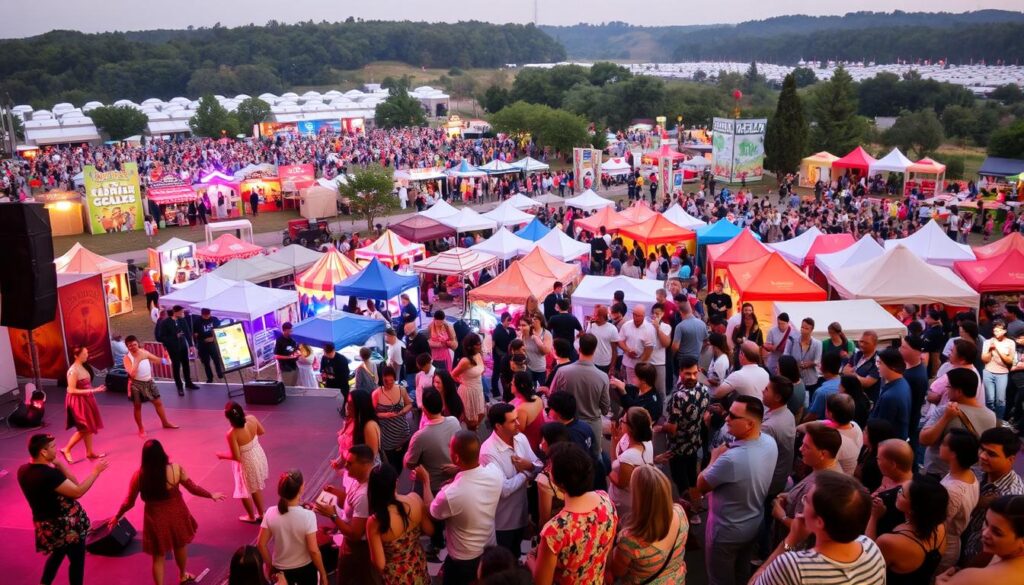
Event entertainment should be varied for all ages and interests. This could be workshops, food stalls, or games that make the festival fun.
By choosing the right activities and shows, you can make your festival stand out. It will leave a strong impression on everyone who attends.
7. Promoting Your Cultural Festival
Promoting your cultural festival needs a mix of strategies to reach your audience. A solid marketing strategy is key to making your festival buzzworthy.
To promote your event well, mix traditional and digital festival marketing methods. Use social media, email, local press, and community programs.
Social media is a big part of your event promotion plan. Use Facebook, Instagram, and Twitter to reach many people. Share videos, posters, and behind-the-scenes peeks to draw in visitors.
Don’t forget about old-school methods like flyers, posters, and local ads. They work well for local audiences. A strong online presence boosts your reach even more.
Engaging with your local community is also vital. Partner with local businesses, schools, and cultural groups. These partnerships help promote your festival and make it more welcoming.
Lastly, use event promotion tools like Eventbrite for ticket sales. It helps track interest and makes buying tickets easy for attendees.
With a detailed festival marketing plan, your cultural festival will get the spotlight it deserves. It will attract a diverse and excited crowd.
8. Navigating Permits and Regulations
Getting the right festival permits is key to a successful cultural festival. You also need to follow event regulations.
Most places require community events on private property to follow local laws. This means you must stick to noise rules, health and safety standards, and zoning laws.
To deal with these rules, start by talking to local government offices or event planning groups. They can tell you what permits you need and how to get them.
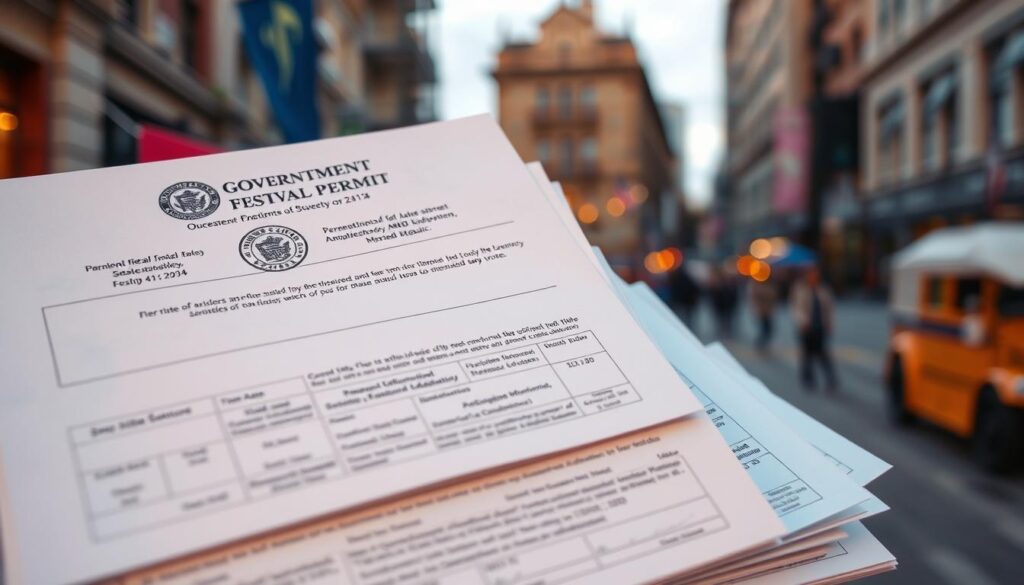
Following event regulations helps avoid legal trouble. It also makes sure everyone at the festival is safe and has fun.
By carefully getting festival permits and following all rules, you can make your cultural festival a hit.
9. Creating a Diverse Food Offerings
Having a wide range of food at your cultural festival is key. It lets visitors enjoy a unique taste experience. A festival celebrates many cultures, and its food should show this variety.
To make this happen, pick vendors and dishes that fit your festival’s theme. You should offer both traditional and new dishes. Also, make sure there’s something for everyone, including those with special diets.
Vendor Selection is very important. Look for vendors with a variety of cuisines like Asian fusion, Mexican, Italian, and traditional American. It’s also vital to ensure the food is high quality and authentic.
When choosing vendors, think about their reputation, prices, and how well they handle big crowds. Mixing familiar and exotic dishes is a good idea to please all tastes.
The dining experience matters too. Consider the atmosphere and service from vendors. Also, think about the layout and organization of the food area.
Diverse Cuisine Options
Here are some ideas for diverse cuisine:
Traditional dishes from places like China, India, or Mexico.
Modern dishes that mix different cooking styles.
Vegetarian and vegan options for those with dietary needs.
Local and regional foods that show off the city’s culinary scene.
10. Ensuring a Safe Environment
Keeping attendees safe is key when planning a cultural event. “Safety is not just a necessity, it’s a responsibility,” say event security experts.
To make sure everyone is safe, it’s important to have a solid safety plan. This plan should cover what to do in emergencies like natural disasters or medical issues. Event security teams need to know how to handle these situations well.
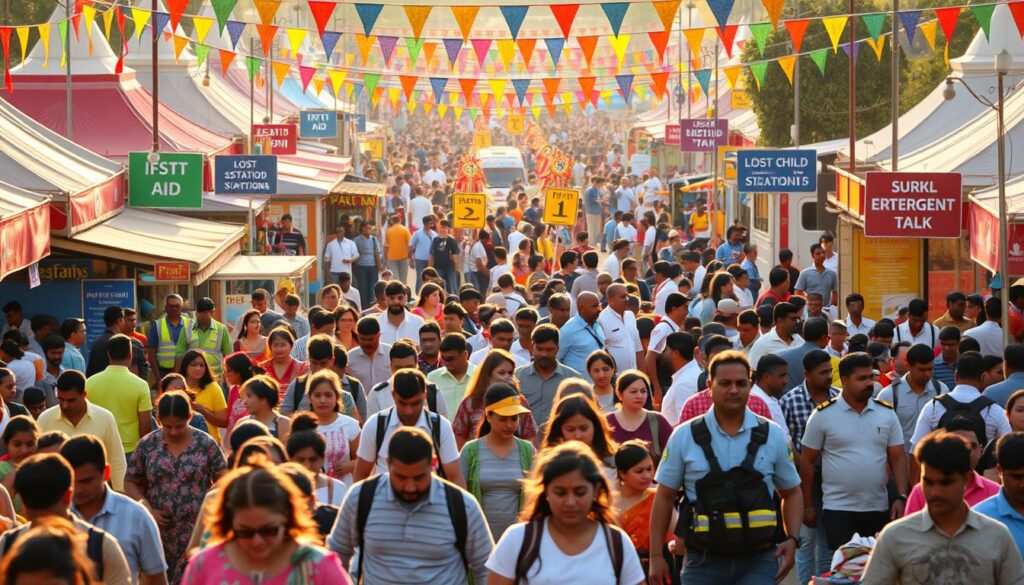
Festival safety isn’t just about emergency plans. It also means making sure the venue is secure. This includes having good access control and watching over the area. It’s also vital to have safety drills and training for staff and volunteers.
By focusing on emergency planning and event security, you can lower risks. This makes sure attendees have a fun and safe time. As a festival organizer, making safety a priority is your duty.
“The safety of our attendees is our top priority. We take every precaution to ensure their well-being.”
11. Evaluating Post-Festival Success
After your mini cultural festival ends, it’s key to check how it did. Getting feedback from those who attended is very important. It helps you see what was good and what could be better for next time.
Looking at different parts of the festival is part of the review. This includes how happy people were, how much money it made, and how smoothly things ran. You can ask for feedback through surveys, social media, or talking to people directly. This info is super helpful for making your next festival even better.
By looking at the feedback and judging the festival’s success, you can make smart choices. These choices will help make future events better. They will also help your cultural festival grow and get even more popular.