
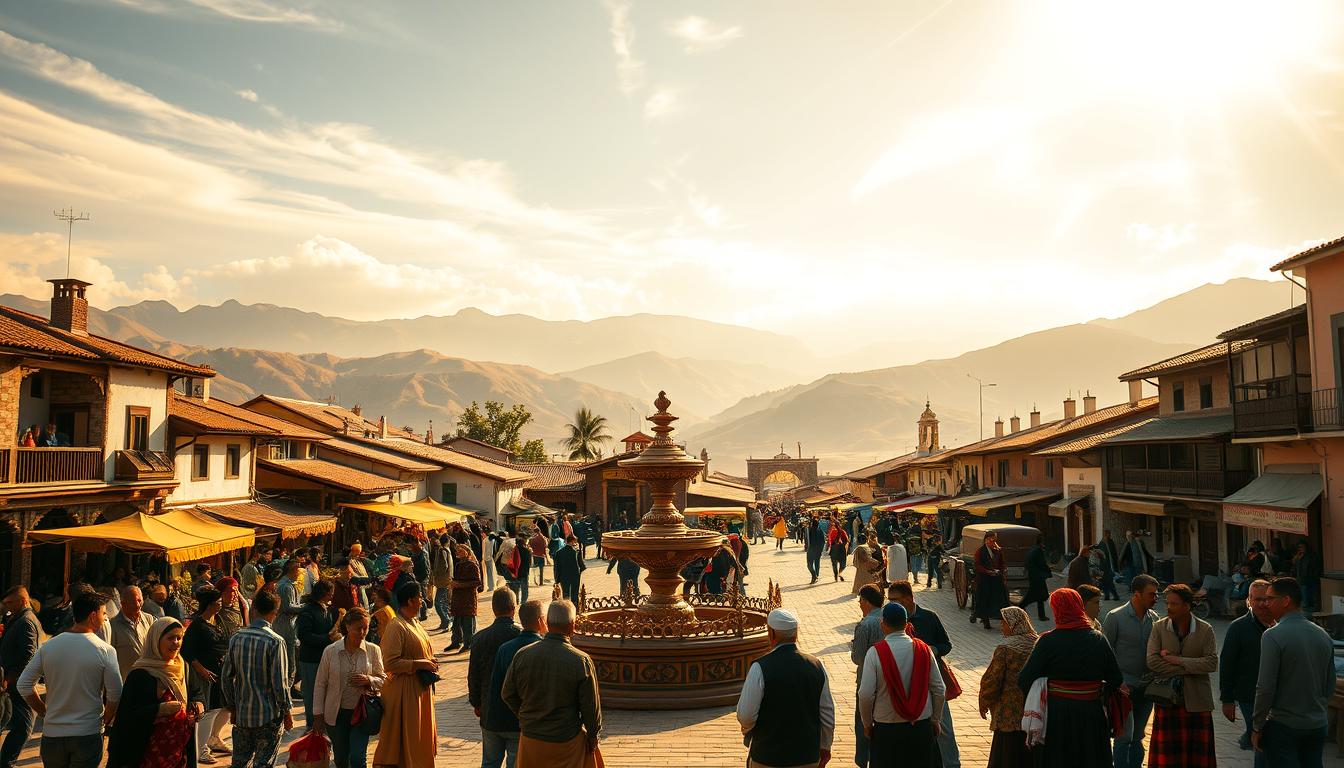
It’s important to understand the value of daily customs and cultural heritage in our world today. Different cultures have their own traditions that make them unique. These traditions shape who they are and how they live their lives.
Looking into these customs helps us see the heart of different societies. It also shows us the biblical and anthropological views behind them. By studying traditions, we learn more about the human experience.
As we explore special daily customs, we’ll see the variety of practices and rituals across cultures. We’ll also see how these customs affect our lives today.
What Are Customs and Why Do They Matter?
Understanding customs is key to appreciating the rich cultural practices around us. Customs are traditions or practices passed down through generations. They reflect the values and beliefs of a community.
These cultural practices shape our identities and influence our behaviors. They can be simple daily habits or complex rituals for special occasions. The significance of customs is in creating a sense of belonging in a community.
Research shows that customs and rituals can positively impact individuals. They can reduce anxiety and improve social bonding. By sharing traditions, people feel more connected, fostering unity and cooperation.
Customs also add to cultural diversity. They offer a glimpse into a society’s history and values. Understanding these customs helps us appreciate the complexities of human culture and behavior.
In short, customs are more than practices or rituals. They are the threads that unite communities, providing a sense of continuity and shared identity. They are essential for social cohesion and individual well-being.
Daily Customs in American Life
American daily life is filled with customs and traditions that show the country’s cultural identity. These customs reflect the nation’s history, values, and beliefs.
The United States is a mix of cultures, making its customs diverse. For example, traditions in Christian practices shape daily life. They influence family dinners and community events.
The third source looks at Christian traditions and their role in daily life. It shows how important these customs are to understand American culture. Daily customs in America are not just about following rules or practices; they are about creating a sense of community and belonging.
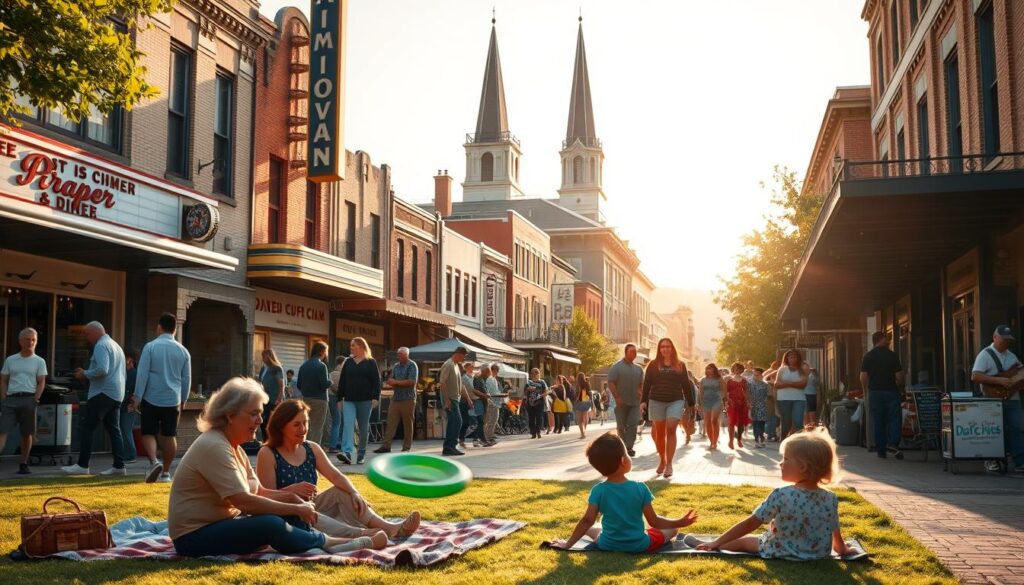
Customs like greetings and food choices are key in American daily life. For instance, family dinners together are common. They bring families closer and create unity.
Cultural Significance of Daily Customs
Daily customs in America are very important. They show the country’s rich cultural heritage and shape how people live. By understanding and respecting these customs, we can see the American way of life more clearly.
Unique Customs Around the World
The world is a mosaic of diverse cultures, each with its own unique customs and traditions. This diversity makes human culture rich and fascinating.
One of the most interesting aspects of global customs is how they reflect a culture’s history, values, and beliefs. For example, in Japan, bowing is not just a greeting. It’s a sign of respect and a way to acknowledge social hierarchy.
In many cultures, traditions are closely tied to religious or spiritual practices. For instance, in India, Diwali is celebrated with fireworks, lights, and offerings to the gods. It symbolizes the triumph of light over darkness.
Another example of cultural diversity is how people celebrate special occasions. In Mexico, the Day of the Dead honors ancestors and loved ones who have passed away. Families create altars and offer food and drinks to the deceased.
Cultural Significance of Customs
Understanding and respecting these differences is key in today’s interconnected world. By learning about and appreciating other cultures’ customs, we can foster greater empathy and cooperation.
Also, global customs and traditions shape our identities and sense of belonging. They connect us to our heritage and community.
In conclusion, the diversity of customs around the world shows the complexity and richness of human culture. By embracing and understanding this diversity, we can work towards a more inclusive and respectful global community.
The Role of Customs in Social Integration
Customs are key in creating a united community. They help people feel connected and part of a group. This feeling is vital for social integration, bringing everyone together.
Customs also help in building communities. For example, sharing meals is common in many cultures. It brings people together and makes them feel at home. In America, potluck dinners are a way to bond and feel part of a community.
Anthropologists say customs are essential for social unity. They show who belongs to a group, building trust and cooperation. Gift-giving customs, for instance, strengthen relationships in some cultures.
Customs also connect different cultures. Learning about other customs helps us appreciate diversity. This leads to a more united and peaceful society.
In summary, customs are important for social unity and community building. By respecting and understanding others’ customs, we can build a more inclusive and cohesive society.
Customs in Modern Society
The way customs change in modern society is complex. As the world gets more connected, old traditions are being looked at again. They’re being updated to fit today’s life.
“Tradition is not something that is fixed and unchangeable; it is a living, breathing entity that evolves over time,” a cultural anthropologist said. This shows how customs can grow and change with society.
In modern society, it’s hard to keep cultural heritage alive while the world changes fast. For example, studying Christian traditions in today’s world shows both the hurdles and chances of mixing old and new.
Changing traditions means finding a balance. It’s about keeping the heart of cultural practices alive for new generations. This is seen in how old customs are mixed into today’s life, like traditional clothes in modern fashion or old festivals in cities.
“The beauty of customs lies in their ability to connect us to our past while guiding us into the future.”
To make customs work in modern society, we need to be open and creative. Yet, we must stay true to the values and meanings of these traditions. This way, our cultural heritage can keep growing and stay meaningful in a changing world.
Observing Customs During Holidays
Celebrations and holiday traditions are key to cultural practices. They help communities feel connected.
People worldwide celebrate with unique customs passed down through generations. These holiday traditions show a community’s cultural heritage. They also connect the past to the present.

These customs bring people together. Family gatherings, communal feasts, and dances are all part of it. They help strengthen social bonds during holidays.
Holiday traditions also show a culture’s values and beliefs. For example, exchanging gifts at Christmas shows generosity. Lighting diyas during Diwali symbolizes light over darkness.
Holidays are also a time to reconnect with roots. Many travel home to join in traditional festivities. This strengthens their bond with their cultural heritage.
In summary, observing customs during holidays is precious in many cultures. These holiday traditions and cultural practices are more than celebrations. They help preserve cultural identity and build community cohesion.
Food Customs Across Cultures
Food is more than just something we need; it’s a cornerstone of cultural customs and traditions. The way people cook, eat, and share food shows their unique cultural background and values.
Culinary traditions differ greatly between cultures. They are shaped by things like where they live, their history, and their religion. For example, in Japan, making sushi is a ritual that shows precision, patience, and respect for nature. In India, the tradition of eating vegetarian food and using spices is tied to their culture and religion.
In many cultures, food customs are key to community practices and social integration. Sharing meals during holidays and special times brings people together. In Mediterranean cultures, eating together strengthens family and friend bonds.
Food customs also show a culture’s history and values. Using certain ingredients and cooking methods shows respect for tradition. As cultures change, their food customs evolve too. They keep their unique identity while welcoming new influences.
In conclusion, food customs and culinary traditions are essential parts of cultural practices worldwide. They showcase the diversity and richness of cultures. They also help shape identity and community practices.
The Role of Customs in Religion
Faith and customs are closely tied, with religious traditions shaping practices and rituals. Customs act as a bridge between the divine and everyday life. They help believers show their devotion and bond with their community.
The Bible sheds light on customs and traditions. For example, the Apostle Paul’s words in Galatians 4:10 show the balance between following old ways and the freedom of faith. This passage reveals the complex tie between customs and religious identity.
“Observe the customs which you have been taught, whether by word or by letter from us.” – 2 Thessalonians 2:15 (NASB)
Religious customs are more than just rituals; they are a way of life. They reflect a community’s values and beliefs. In many faiths, customs blend with cultural practices, shaping daily life and how followers interact with the world.
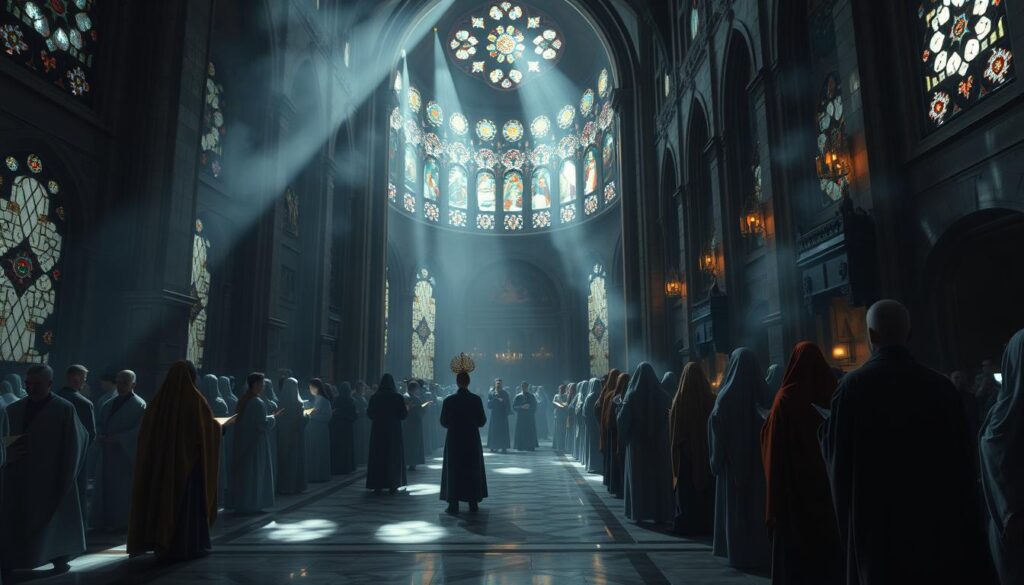
The importance of faith in shaping customs is huge. Faith gives customs their meaning and context, making them a key part of religious practice. Customs, like prayer, fasting, or coming together, show faith in action. They help believers feel connected to each other.
In summary, customs play a big role in religion, affecting both spiritual and social aspects of religious traditions. By understanding and valuing these customs, we can better appreciate the many ways faith is lived out globally.
Customs Related to Greetings
Greetings are more than just saying hello. They show us the cultural practices of a society. The way people greet each other varies greatly, showing the diversity of human interaction.
In many Western cultures, shaking hands is a common greeting. It shows respect and professionalism. But, in some cultures, people avoid physical contact. Instead, they use a bow or a simple hello.
In Japan, bowing is a key greeting custom. It shows respect, with the depth and length of the bow showing how much respect or gratitude is being given.
In some cultures, greetings are big rituals. They include special phrases, gestures, or even gifts. For example, in many Indigenous cultures, greeting ceremonies are important social interactions. They involve storytelling, singing, or sharing food. These customs help build community and keep cultural heritage alive.
It’s important to understand and respect greeting customs in today’s world. We meet people from different cultures more often. By embracing these differences, we can improve our social interactions and build stronger relationships across cultures.
In conclusion, greeting customs are interesting parts of cultural practices. They give us a peek into the values and norms of societies worldwide. By exploring and valuing these customs, we can better understand human communication and community building.
Understanding Customs Through Festivals
Customs and cultural practices shine through festivals and celebrations. These events are lively displays of a community’s heritage. They show off their unique festival customs and traditions.
Festivals are more than fun; they open a window into a culture’s heart. They reveal the values and beliefs that shape a community. Through cultural practices seen in festivals, we learn about a people’s history and identity.
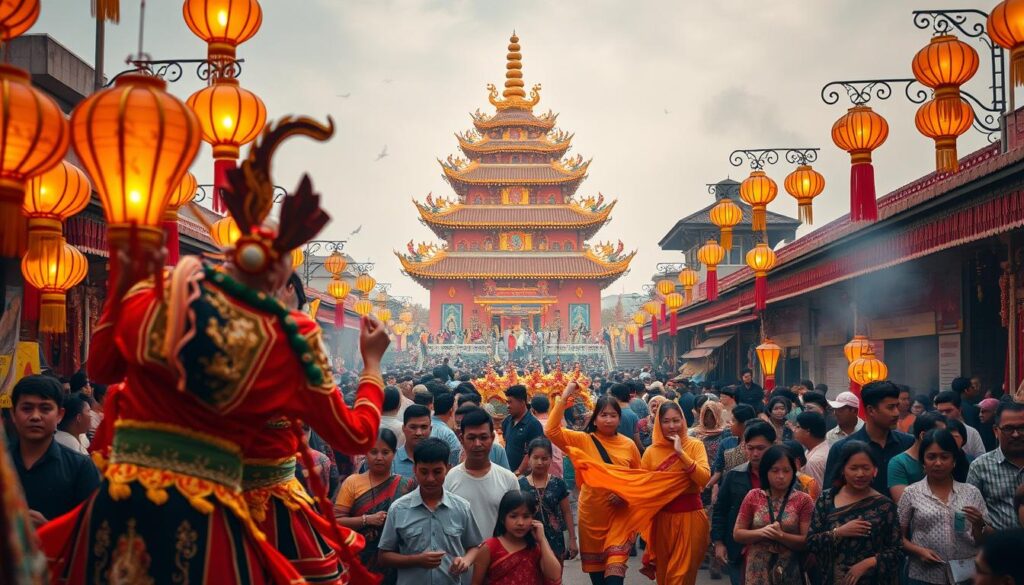
Celebrations and festivals are closely linked, each showing a culture’s customs and traditions. By looking at these events, we understand the importance of certain practices. We see how they weave into society’s fabric.
For example, how a community celebrates a festival tells us a lot about their values and social norms. The festival customs during these times are deeply connected to the community’s history and cultural heritage.
In summary, seeing customs through festivals gives us a special view of cultural practices and celebrations. By embracing and respecting these differences, we can build a more inclusive and harmonious world.
The Importance of Respecting Customs
In our world, respecting customs is vital. Customs and traditions bring us together, giving us a sense of who we are and where we belong.
Cultural sensitivity helps us understand and respect these customs. By knowing and valuing the traditions of others, we build a more welcoming and peaceful society. It’s not just about accepting differences; it’s about really getting them.
The third source shows how important it is to respect and understand cultural differences in Christian practices. Respecting customs is more than just avoiding offense. It’s about connecting communities.
By being cultural sensitive, we make places where everyone feels important and respected. This is very important in today’s world, where many customs and traditions live together.
In the end, respecting customs and being aware of cultural differences is key for unity. It’s a way to a world where traditions are cherished and honored.
Documenting Customs for Future Generations
Keeping cultural heritage alive is key to keeping community identity strong. It helps pass down traditions to the next generation. Documenting customs and cultural practices is vital in this effort. It lets us see and value the rich variety of cultures worldwide.
Recording and saving customs ensures their history and importance are not forgotten. We can use videos, written stories, and photos. These can be kept in archives or shared online.
Documenting customs helps teach future generations about their cultural roots. It shows how cultural practices shape who we are. It also gives us a peek into the past, highlighting the complexity of cultural traditions.
Working to save cultural heritage through documenting customs is vital. It promotes understanding and respect for different cultural practices. This enriches our global community.