
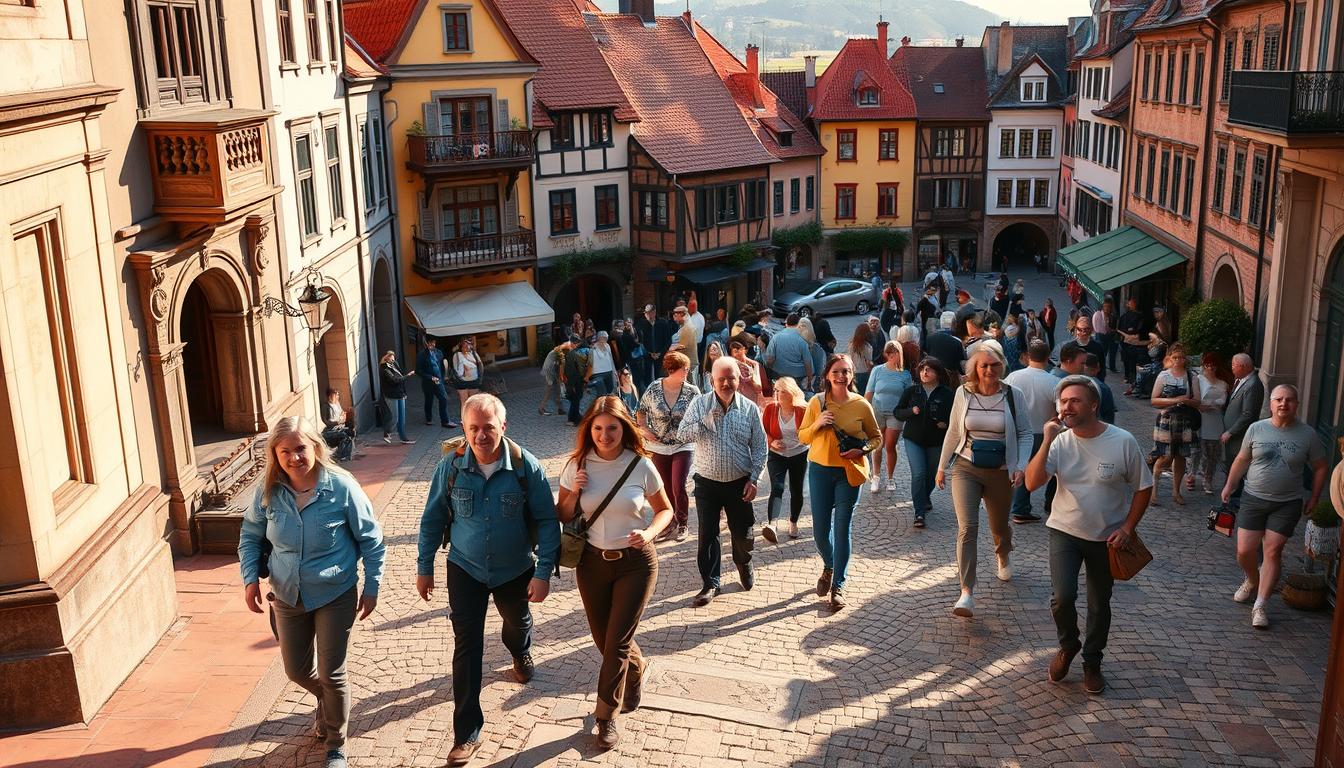
Exploring your town’s rich heritage is exciting. Walking around to see local landmarks and historical sites is a great way to learn. It lets you find out the stories that made your community what it is today.
Walking through the town slowly, you can see important historical spots. You can also admire the buildings and understand the area’s past and now.
This immersive experience gives you a special view of the town’s history and cultural heritage. It’s also a fun and hands-on way to learn about your home.
What is a History Walk?
A self-guided History Walk lets you explore historical sites at your own pace. It’s a chance to dive into the local history, architecture, and cultural heritage of a town or city.
This walk can be a self-guided tour or a guided journey. It takes you through key landmarks and historical areas. Walking through these sites helps you understand the events and people that shaped the community.
Many towns have self-guided tours that include museums, historic sites, and attractions. These tours are a great way to learn about an area’s history while enjoying the outdoors or local architecture.
Adding historical sites to your History Walk makes it meaningful and engaging. It shows the importance of preserving local heritage.
Planning Your History Walk
Planning a history walk needs careful thought to find a town’s hidden past gems. You must research historical sites and make a walking tour itinerary that’s both fun and informative.
To begin, pick the historical sites you want to see. Look for local art galleries, exhibits, or workshops online. Some towns also have free events with local artists or performances you can add to your plan.
Creating a Walking Tour Itinerary
Creating a walking tour plan has several steps. First, map out the historical sites you’ve chosen. Think about the distance between them and the walk’s pace to keep it enjoyable and not too hard.
Then, decide how long the walk will be and when to do it. Some sites are better seen at certain times because of the light. You can also add local events or performances to make it more interesting.

Think of your walking tour plan as a story that links the historical sites and other interesting spots. This story should be engaging and tell a clear tale of the town’s history.
To make your walk more exciting, consider using local guides or audio guides for extra insights. This can make the experience richer for everyone and help them understand the town’s history better.
By planning your history walk well and making a detailed itinerary, you can offer a special and enriching experience for those who want to learn about a town’s history.
Notable Historical Sites to Explore
Historic Bloomington Walking Tours show how history comes alive. They highlight the architecture and history of Bloomington, Indiana’s limestone capital. A History Walk includes historic landmarks and historical buildings that tell the town’s story.
Choosing notable historical sites is key for a History Walk. These sites can be ancient monuments or buildings that shaped the town’s history. For example, historic homes, old city halls, and forgotten cemeteries offer a peek into the past.
Adding historical sites to a History Walk teaches about local history. It also helps people appreciate cultural heritage. Walking through these sites makes history come alive, making the experience unforgettable.
Examples of Notable Historical Sites
Here are some examples of historical sites for a History Walk:
– Historic buildings that have been preserved or restored.
– Landmarks tied to important historical events or figures.
– Architectural wonders that show off the era’s styles and techniques.
By including these historic landmarks, History Walks become more engaging. They appeal to a wide range of interests.
In conclusion, the success of a History Walk depends on the sites chosen. By picking sites that are both historically important and interesting, History Walks can educate and engage communities.
Tips for a Successful History Walk
To have a successful history walk, preparation is key. This includes research, wearing comfortable clothes, and engaging with the community.
Before you start, do some research on the historical sites you’ll visit. Knowing the history and importance of these places will make your walk better.
Wearing comfortable shoes is very important. History walks often mean a lot of walking. Also, talking to locals can give you insights and make your walk more enjoyable.
Engaging with the Community
Joining a local group or non-profit is a great idea. It helps you connect with your community and learn about history together.

By talking to the community, you learn more about the sites and their history. You can go to local events, meet historians, or join guided tours.
A successful history walk is well-prepared, engaging, and educational. Follow these tips for a memorable and enriching experience.
The Role of Guides in History Walks
As a public programming intern at the Michigan Maritime Museum, I’ve seen the big impact guides have on history walks. Guides make history come alive, giving visitors a deeper understanding of the sites they see.
Knowledgeable guides do more than just share facts. They tell stories and share anecdotes that make history feel real and exciting. This personal touch turns a simple walk into an adventure that captures everyone’s imagination.
Guided tours, led by skilled guides, are great for history walks. They offer detailed insights into historical sites, showing why these places are important. Guides also adjust their stories to fit the group’s interests and age, making the tour fun for everyone.
Guides add an educational layer to history walks. They provide contextual information that makes learning fun. For kids, guides make history fun and engaging, helping them develop a love for history early on.
In short, guides are key to the success of history walks. They share knowledge, tell engaging stories, and adapt to their audience. Guides do more than lead tours; they create unforgettable experiences that stick with participants.
Incorporating Technology
Technology has changed how we explore historical sites. Digital tools help us understand the sites better. This makes our visits more meaningful.
Digital Resources like apps and online guides give us lots of info. Many parks and trails have visitor centers with important details. These centers offer insights into the history of the area.
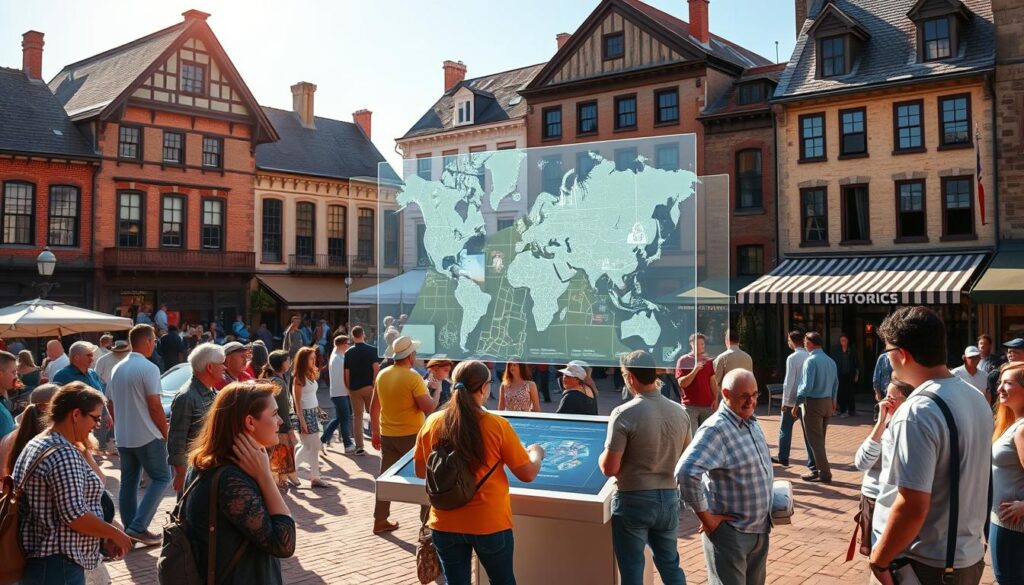
Interactive History Walks use cool tech like augmented reality (AR) and virtual reality (VR). These tools make the experience more fun and memorable. They help us connect with history in new ways.
A historian said, “Technology makes History Walks better. It helps tell stories in new and exciting ways.” Many historical sites are now using tech to improve visitor experiences.
“Technology has the power to transform the way we experience history, making it more accessible and engaging for a wider audience.”
Technology lets us update History Walks in real-time. This keeps the information fresh and accurate. It’s great for places with changing stories or new discoveries.
By using technology, History Walks become more fun and educational. As tech keeps improving, we’ll see even more cool things in History Walks.
Historical Figures to Highlight
A History Walk is not complete without acknowledging the historical figures who shaped the local community. These individuals add a personal touch to the history, making it more relatable and engaging.
Highlighting the roles of significant individuals is key. This includes leaders, activists, and everyday people who helped shape the town’s history. For example, during the War of 1812, Native American tribes played a big role, influencing events.
“The soil on which we stand is sacred, and we must preserve it for future generations.”
This quote shows how important it is to understand and respect the land’s history.
Featuring historical figures like local heroes, politicians, or influential community members can make the walk more engaging. It’s vital to pick figures that are relevant to the local history. Their stories can inspire and educate those on the walk.
By focusing on significant individuals, a History Walk becomes more immersive and memorable. It connects participants with the past in a meaningful way.
Educational Benefits for Schools
History Walks offer many benefits for schools. They make learning about local history fun and hands-on. Schools can use them to teach students in a new and exciting way.
These walks make history come alive for kids. They get to see historical sites up close. This helps them connect with the past in a real way.
Enhancing Curriculum through History Walks is more than just visiting sites. It’s about creating a deep learning experience. Teachers can use these walks to make history more engaging and easy to understand.
History Walks help schools teach local history in a unique way. They encourage students to appreciate their cultural heritage. This leads to a better understanding and love for their history.
Engaging the Community
History walks focus on bringing people together by sharing their heritage. They help locals understand their history and culture better.
These walks are great for building connections in the community. They bring people together, letting them share and appreciate their area’s history.
Joining a local group for history walks can open up volunteer chances. This boosts community engagement and helps everyone feel responsible for preserving their heritage.
History walks help people feel more connected to their neighborhood. This can make the community stronger and more lively.
In short, history walks are key for building connections and community engagement. They make local history exciting and enrich the community.
The Benefits of Group History Walks
Walking through history with a group is incredibly enriching. It lets people learn about past events and figures. It also builds a sense of community and shared understanding.
Group history walks create shared experiences. Exploring historical sites together sparks excitement and meaningful conversations. This leads to a deeper understanding of history.
Group history walks also have big social benefits. They offer a chance to meet new people with similar interests. This can lead to new friendships and a stronger community feeling.
“The best way to get to know a city or a historical site is to walk through it with people who can share their knowledge and insights.”
These walks provide a unique educational experience. By seeing historical sites up close, participants get a deeper understanding of the past. This is great for students and history lovers.
Group history walks can be customized for different interests and ages. They’re perfect for a fun, educational outing with family or a detailed historical study with enthusiasts.
In summary, group history walks bring many benefits. They foster shared experiences and social benefits. They also offer a unique chance to learn about history while making connections with others.
Seasonal Considerations for History Walks
Seasonal factors greatly impact the history walk experience. They include weather and local festivals. By adjusting your walk to the season, you make it more fun and connected to the community.
Weather Conditions: The weather can make or break a history walk. In summer, include shaded spots and water breaks. Spring and autumn walks can focus on the flowers or leaves changing.
Local Festivals and Events: Adding local festivals to your walk can make it better. These events show off local culture and traditions. For example, a walk during a harvest festival can visit farms or sites tied to farming.
Seasonal Themes: Each season brings its own themes for history walks. Winter walks can explore winter holidays or snowstorms. This makes the walk more interesting and relevant.
Thinking about these seasonal aspects helps create a walk that’s both fun and educational. You can adjust for weather, include local events, or focus on seasonal themes. The options are endless.
Extending Your History Walk Experience
After your history walk, you might wonder what’s next. There are many ways to keep exploring and learning about local history and culture. You can dive deeper into the stories and events from your walk, looking for more learning opportunities.
Local museums, historical societies, and cultural centers are great resources. You can also check out local libraries, archives, and historical newspapers. This way, you make your history walk experience more immersive and engaging.
We’re curious about your ideas for learning about your local area’s history or culture! What other ways can you think of to explore and understand your town’s heritage? Your suggestions can help make history walks richer and more diverse for everyone.