
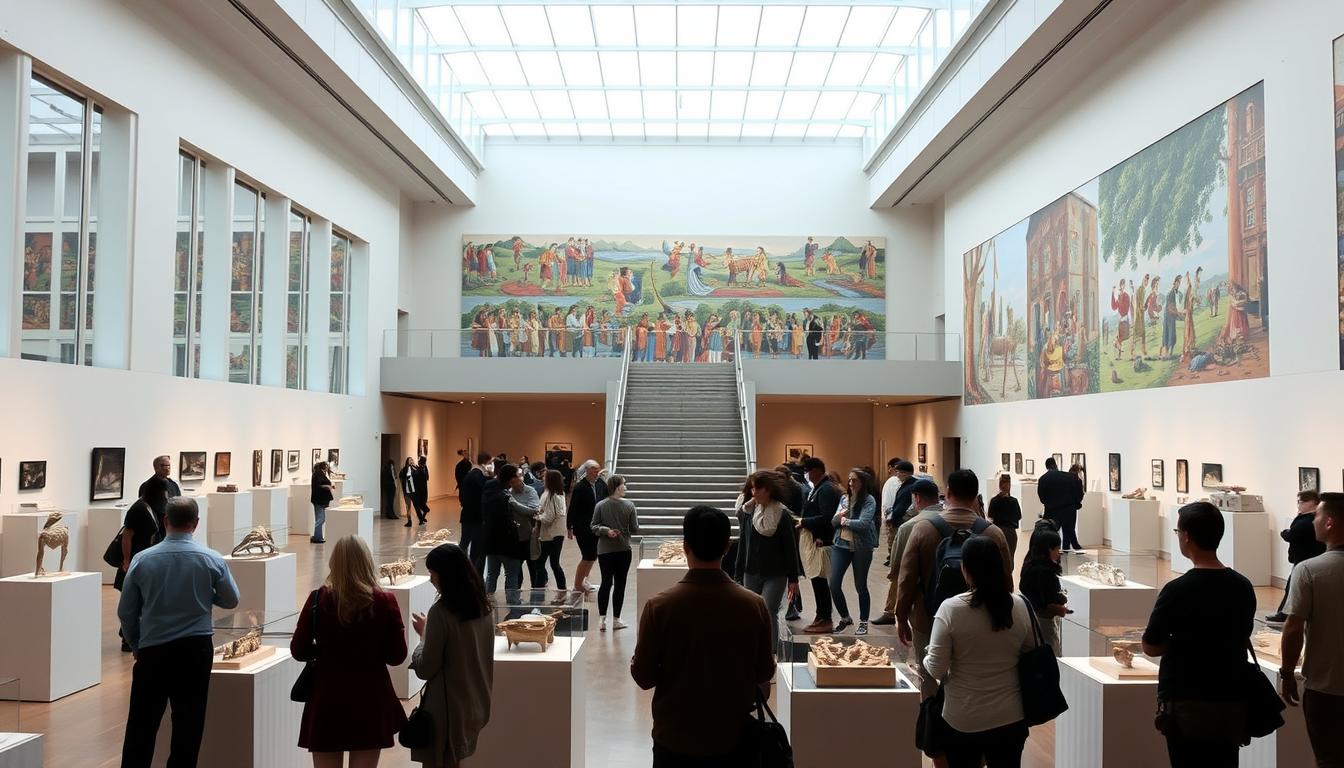
The Smithsonian Institution is famous for its work in U.S. history and culture. But it does more than that. It looks at, explains, and protects cultural heritage all over the world.
Museums like the Smithsonian are key in understanding and keeping culture alive. They do this through art and exhibitions. They act as protectors of our shared heritage, showing us the past and today.
When we explore culture in museums, we learn to value the rich experiences of humans. We see how different traditions shape our world.
The Importance of Museums in Cultural Preservation
Museums protect our cultural heritage for the future. They collect, conserve, and show artifacts and artworks. These items help us understand our history and who we are.
Cultural preservation is more than just keeping artifacts safe. Museums also explain their stories to the public. They do this through special exhibitions that share our shared history. As custodians of history, museums keep these stories alive for us.
“Museums are the memory of humanity, and without them, we would be lost in the labyrinth of time.” This quote highlights museums’ key role in saving our cultural heritage.
Museums gather many kinds of artifacts, from old relics to modern art. Each piece offers a glimpse into the past. Keeping these artifacts safe requires advanced techniques and knowledge of the materials.
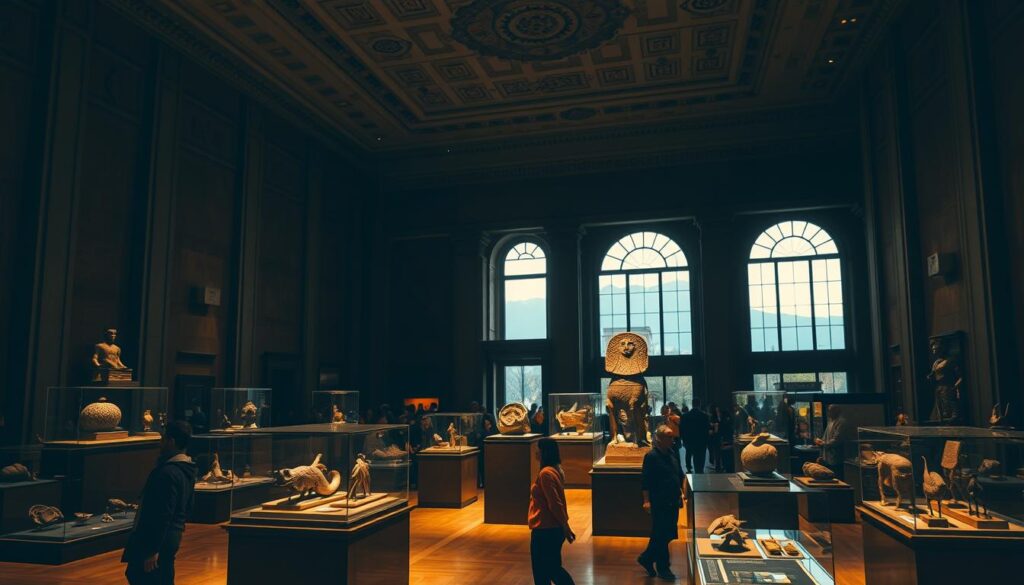
Museums make our cultural heritage available to everyone. They help build a sense of community and shared identity. They also offer educational programs to help people understand the artifacts.
In short, museums are more than just places to store history. They are lively places that shape our culture. They spark curiosity, promote understanding, and keep our cultural heritage alive.
Different Types of Museums to Explore
Museums are full of knowledge, with collections from many fields and times. They let us dive into human culture, history, and art in unique ways.
Art museums are very popular, drawing in crowds with their vast art collections. The J. Paul Getty Museum is a great example. It has an extensive collection of European paintings, drawings, sculpture, and decorative arts.
European Paintings and Sculpture
The J. Paul Getty Museum showcases European art masterpieces. Its galleries highlight European paintings and sculpture, showing art’s growth over time.
At art museums like the J. Paul Getty, you’ll see many artistic styles and periods. From Renaissance to modern, the diversity of European art offers a deep cultural experience.
Exploring different museums, like those for art, history, and science, broadens our understanding of the world. It helps us see the world’s complexities in a new light.
How Museums Foster Community Engagement
Museums are now places where people come together. They host interactive exhibitions that make visitors feel part of the show. This makes the museum visit unforgettable.
Museums offer many programs and exhibits for everyone. They have hands-on activities and workshops where you can dive into the exhibits. This lets you get involved and learn more.
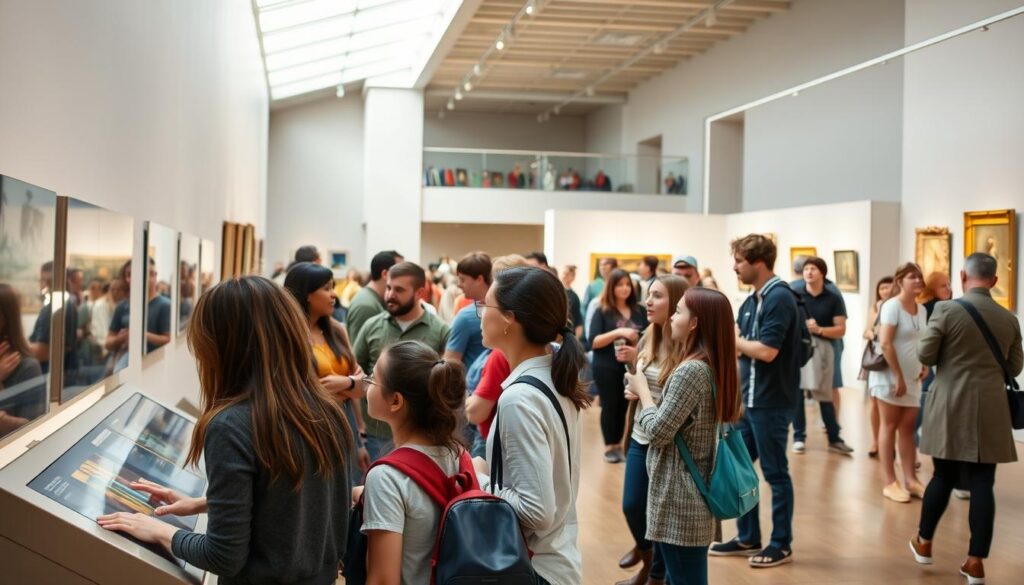
These interactive parts do more than just entertain. They help people connect with each other. Museums also work with local groups and artists. This way, they show off the community’s culture and history.
Museums do a lot for the community. They are places for sharing culture, learning, and meeting new people. Their programs help us understand and value our cultural heritage. This makes our community stronger.
In short, museums are key in bringing people together. They keep improving and meeting community needs. This makes museums important for socializing and learning about culture.
Planning Your Museum Visit: Tips for a Great Experience
Planning ahead is key to enjoying a stress-free and engaging museum visit. Start by checking the museum’s exhibition schedule in advance. This helps you prioritize the exhibits you want to see.
Another valuable tip is to join guided tours. These tours are led by experts who share insights you might miss on your own. Plus, visiting during less busy times helps you avoid crowds.
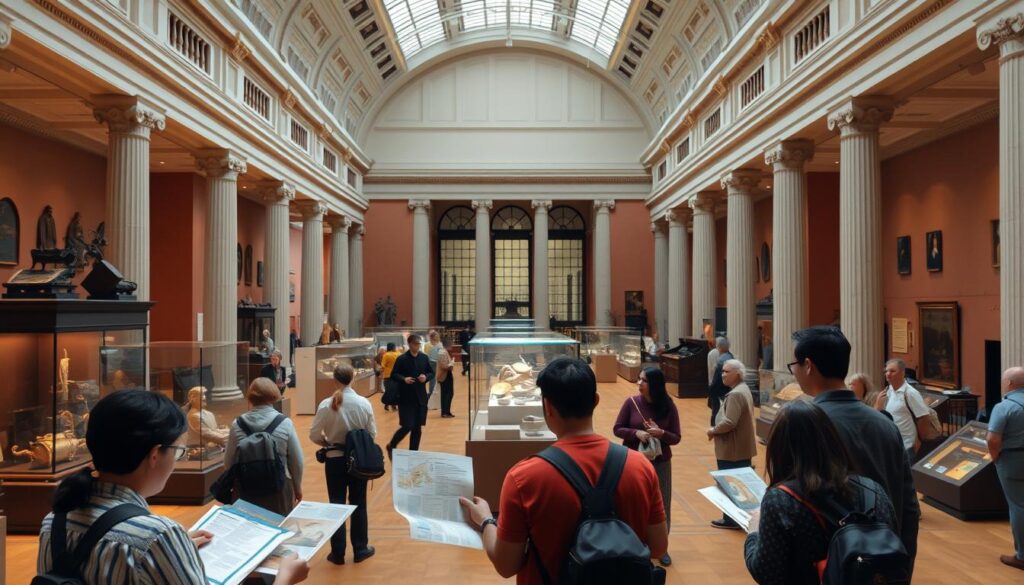
Before you go, get familiar with the museum’s map and plan your route. Some museums have interactive maps or apps to enhance your visit. By planning well, you’ll have a more enjoyable and enriching experience.
Lastly, check if the museum has special events or programs during your visit. Many museums host lectures, workshops, or family activities. These can make your museum visit even more engaging.
The Evolution of Museums in the Digital Age
Museums are now using digital tools to reach more people and improve visits. Digital technologies have changed museums, making them more interactive and preserving culture.
Online exhibitions have become key, letting museums show their collections worldwide. This makes museums more accessible and attracts a broader audience. Digital exhibitions include high-quality images, detailed descriptions, and interactive features.
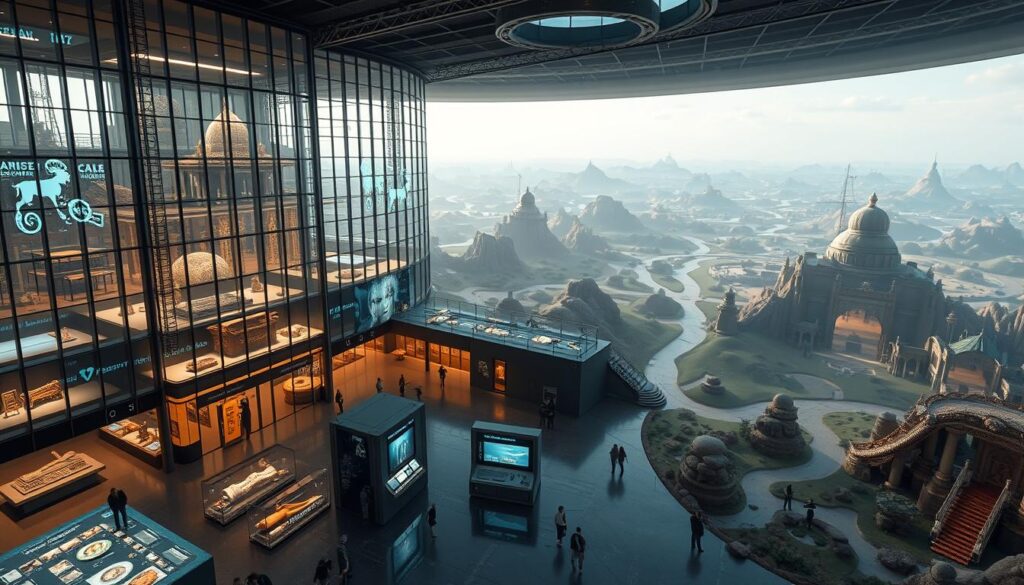
Museums also use digital tools to make visits better. Interactive displays and mobile apps offer deeper insights into exhibits. These tools help museums understand what visitors like.
The digital age helps museums save cultural heritage too. They can digitize collections, creating a digital archive. This makes artifacts available to researchers and the public, preserving them for the future.
Museums will likely use more tech, like virtual reality (VR) and augmented reality (AR). These technologies could change how we see museum exhibits, making visits more fun and interactive.
In summary, the digital age has greatly changed museums. By using digital tools, museums are not just saving culture but also making it accessible and engaging for everyone.
Highlighting Notable Museums Across the United States
Across the United States, many museums are known for their amazing collections and new exhibits. These places help keep the country’s rich culture alive and share it with everyone.
The National Museum of African American History and Culture in Washington, D.C., is a key cultural spot. It’s part of the Smithsonian Institution. This museum tells the story of African Americans from Africa to today through art and artifacts.
In New York City, the Metropolitan Museum of Art has art from all over the world. The Field Museum in Chicago is famous for its natural history and cultural items. The de Young Museum in San Francisco shows art from Africa, Oceania, and the Americas.
Innovative exhibitions and interactive displays make museums fun and educational. For example, the National Museum of African American History and Culture has exhibits that explore African American history and culture through different perspectives.
The U.S. also has specialized museums for specific interests. The National Air and Space Museum shows historic planes and spacecraft. The Museum of Modern Art (MoMA) in New York focuses on modern and contemporary art.
These museums are important for their cities’ culture and for teaching people about history and art. Whether you love history, art, or just want to learn, there’s a museum in the United States for you.
How to Support Your Local Museums
Supporting local museums is a great way to help your community’s culture grow. One of the best ways is to become a museum member. Members get free admission, invites to special events, and special programs.
The American Alliance of Museums says, “Membership is key for museums. It builds a community and connects members deeply with the museum.” Being a member helps the museum financially and builds a community around it.
“Museums are essential to the cultural fabric of our society, and supporting them is critical for their success.”
There are more ways to help your local museum. You can volunteer your time for events, programs, and daily tasks. Museums also welcome corporate sponsorship or donations from businesses.
Supporting your local museum enriches your community and gives you access to cultural and educational resources. Every bit of support, like membership, volunteering, or donating, makes a difference.
The Influence of Museums on Personal Growth
Museums are special places that help us learn and grow. They have many educational programs for all kinds of interests and ages. This makes them great for personal growth.
These programs include workshops, lectures, and hands-on exhibits. For example, art museums might teach you about different art styles and history. Science museums have interactive displays that make science easy to understand.
When we join these programs, we learn more, question our beliefs, and see things from new angles. This helps us grow personally. It makes us think deeply, be creative, and solve problems.
Museums are also places where people come together. They share interests and feel like they belong. This part of museum life helps us grow by letting us meet others and learn together.
To wrap it up, museums are key in helping us grow. Through their educational programs, we can understand ourselves and the world better.
Conclusion: The Lifelong Value of Visiting Museums
Visiting museums can be a lifelong enriching experience. They offer insights into culture, history, and art. Museums are key in preserving culture, engaging communities, and helping people grow.
Museums come in many types, from art to history. They offer a wide range of experiences for different interests. By supporting local museums, we help preserve cultural heritage.
In today’s digital world, museums have become more accessible. They now offer online exhibits and virtual tours. The Smithsonian Institution in the United States is a great example of innovation and community engagement.
The value of visiting museums is immense. They educate, inspire, and help us understand the world better. By engaging with museums, we can enrich our lives and appreciate cultural heritage more.