
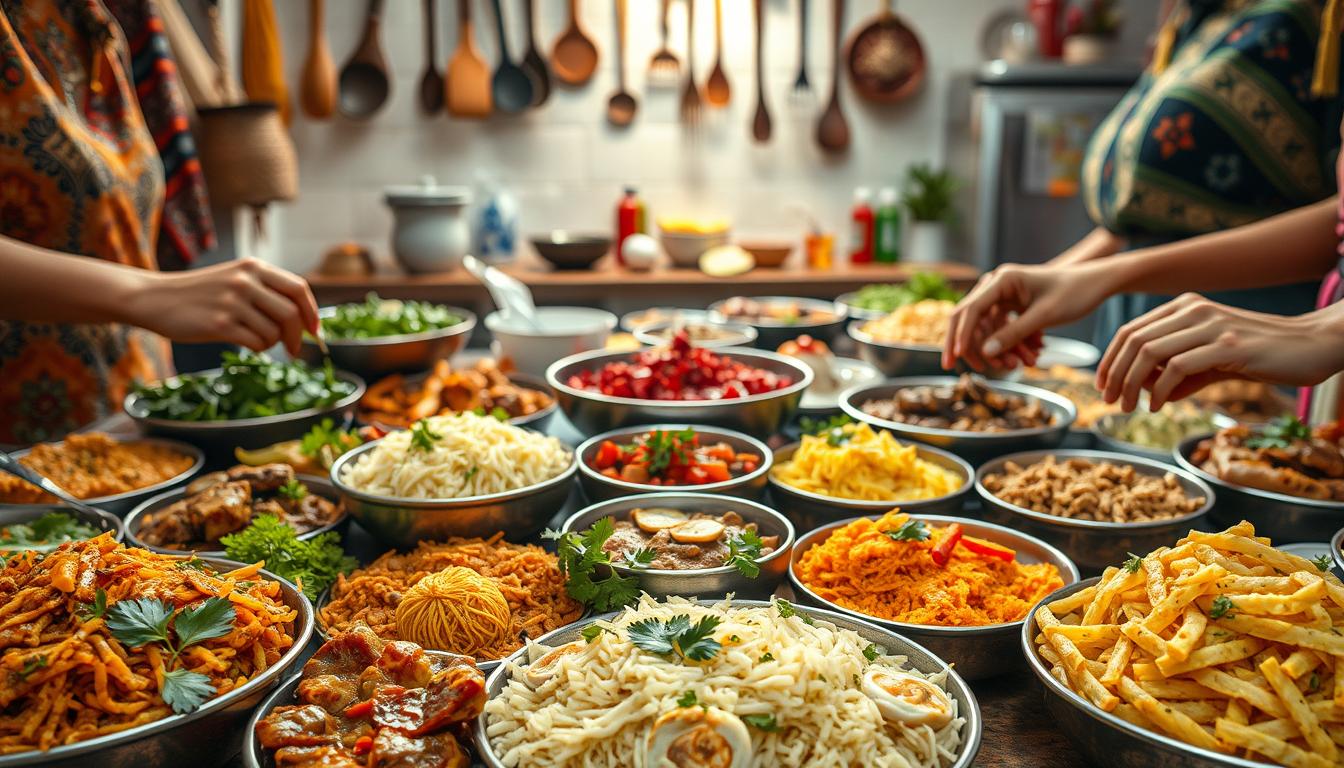
Cooking is a universal language that brings people together. Cultural recipes are a delicious way to experience the traditions of different countries.
Fried rice is a staple in many cultures. This vegetable-packed version is quick to make. It’s also a great way to use up leftovers. This makes it a perfect example of how international cooking can be both accessible and exciting.
By cooking a simple cultural dish, you can explore new flavors. You can connect with different cultures. Whether you’re using freshly cooked broccolini, snow peas, edamame, and chicken, or substituting with your favorite quick-cooking or leftover ingredients, the joy of cooking lies in its ability to bring people together.
Understanding the Importance of Cultural Recipes
Cultural recipes connect us to our past, bridging generations. They keep alive the cooking traditions that shape our cultural identity. Each recipe tells a story of history, values, and traditions.
The Significance of Cultural Recipes
Cultural recipes are key to our identity and connection to heritage. Marilou Robinson from Portland, Oregon, shared her family’s Irish recipe. It’s a part of her St. Pat’s menu, along with lamb chops and soda bread.
“Food is a symbol of love, care, and community. When we cook and share meals, we are not just feeding our bodies; we are nourishing our souls and strengthening our bonds with others.”
The Role of Cultural Recipes in Preserving Traditions
Cultural recipes keep traditional cooking alive and the stories behind them. They evolve with each generation, adding personal touches. 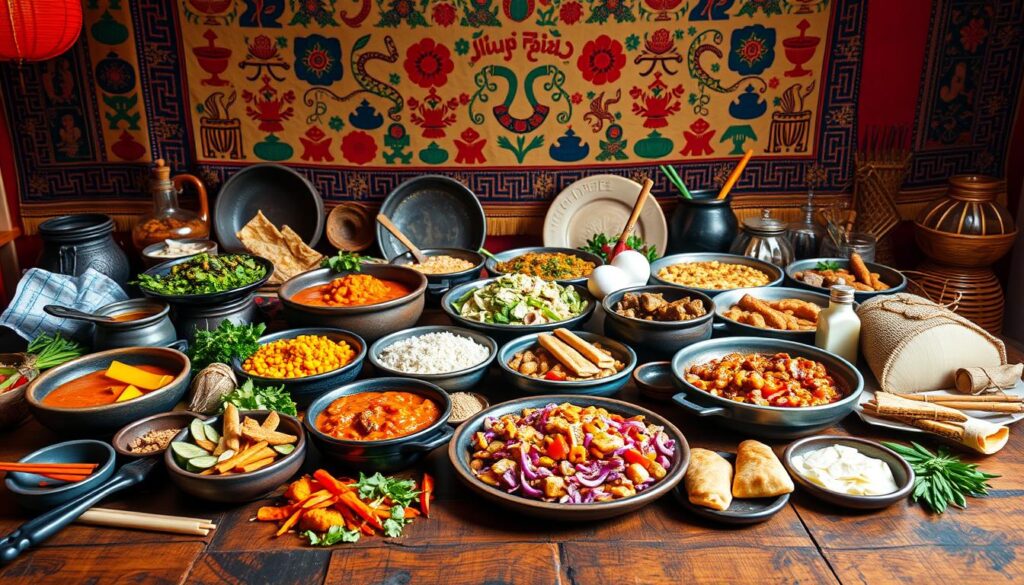 Cooking these recipes honors our ancestors and keeps traditions alive.
Preserving Cultural Heritage Through Recipes
Preserving cultural heritage through recipes is more than cooking. It’s about understanding the dish’s context and significance. It’s the love and effort put into meals passed down through generations. By cooking and sharing these recipes, we keep our heritage alive for the future.
Choosing the Right Cultural Recipe
The world of global cuisine is vast. Finding the right traditional meal to cook can seem hard. But, with a few tips, it’s easier.
When picking a cultural recipe, think about what you like, any diet rules, and your cooking skills. For example, Sopa negra, or Costa Rican black bean soup, is a great pick. It’s from Costa Rica’s south, is creamy, and easy to make.
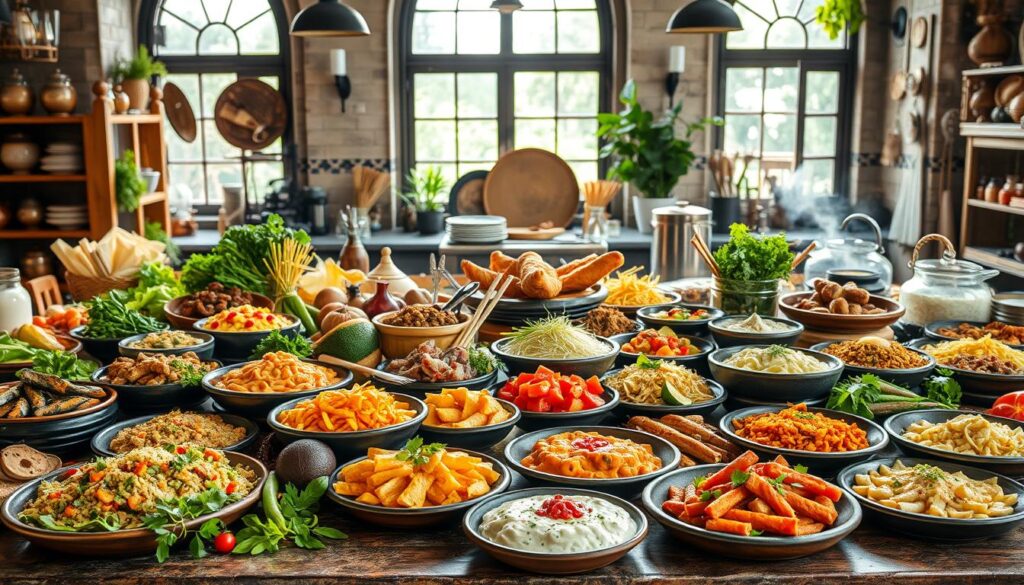
Remember any diet rules or likes you or your guests have. Recipes can be changed to fit these needs. Sopa negra is already vegetarian and can be made gluten-free with the right broth and spices.
Choosing a recipe that fits your taste and diet makes cooking and eating fun. It also lets you try many global cuisine dishes without losing flavor or tradition.
The best recipe is one you’ll love making and sharing. So, take your time to look at different traditional meals. Feel free to change them to fit your needs.
Ingredients You’ll Need
To truly capture the essence of a cultural recipe, one must start with the right ingredients. The authenticity of a dish is heavily influenced by the components used in its preparation. For instance, a vegetable-packed version of fried rice requires freshly cooked broccolini, snow peas, edamame, and chicken. This shows the diversity and richness that cultural recipes can offer.
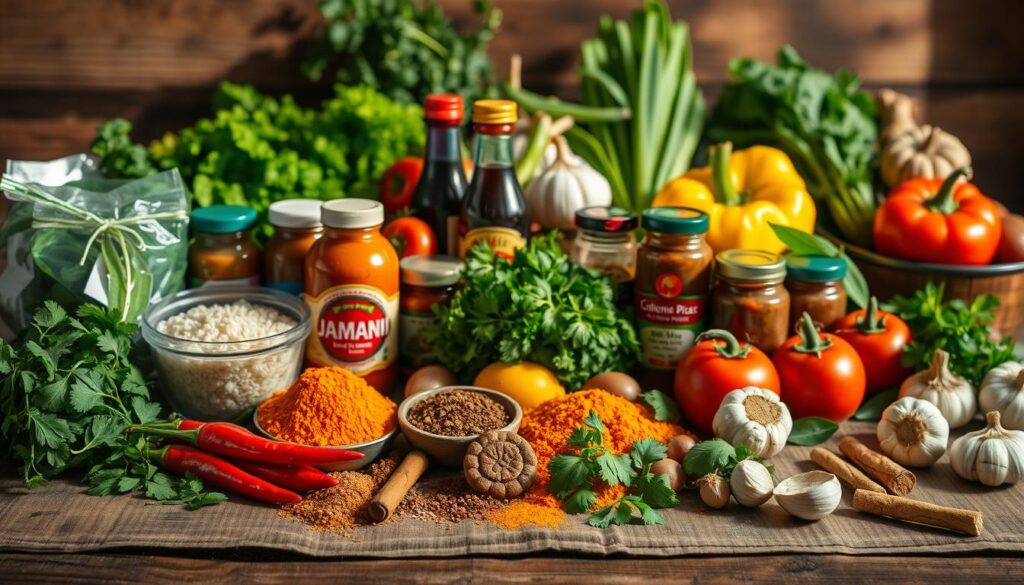
The selection of ingredients is not just about availability; it’s about capturing the flavors and essence that define a culture’s cuisine. Using authentic ingredients can make a significant difference in the outcome of your dish. But, it’s also important to be flexible and understand when and how to make substitutions due to availability or dietary restrictions.
Understanding Ingredient Substitutions
Not everyone has access to the exact ingredients called for in a cultural recipe. This is where understanding ingredient substitutions becomes critical. Substitutions should be made based on the role the ingredient plays in the recipe – whether it’s for flavor, texture, or moisture. For example, if a recipe calls for a specific type of chili pepper, you can substitute it with another variety that offers a similar level of heat.
Being open to cooking techniques from different cultures can also influence your choice of ingredients and how you prepare them. Techniques such as steaming, grilling, or stir-frying not only affect the texture and flavor of the ingredients but also their nutritional value.
In conclusion, the key to a successful cultural dish lies in understanding the importance of ingredients and being adept at making necessary substitutions. By combining the right ingredients with appropriate cooking techniques, you can bring the essence of a culture’s cuisine into your kitchen.
Preparation Steps for Your Recipe
Cooking cultural food can be easy and quick. With a few preparation steps, you can make tasty meals from all over the world at home.
First, carefully follow the recipe. Read the cooking methods and ingredient list before you start. This helps you plan and manage your time better.
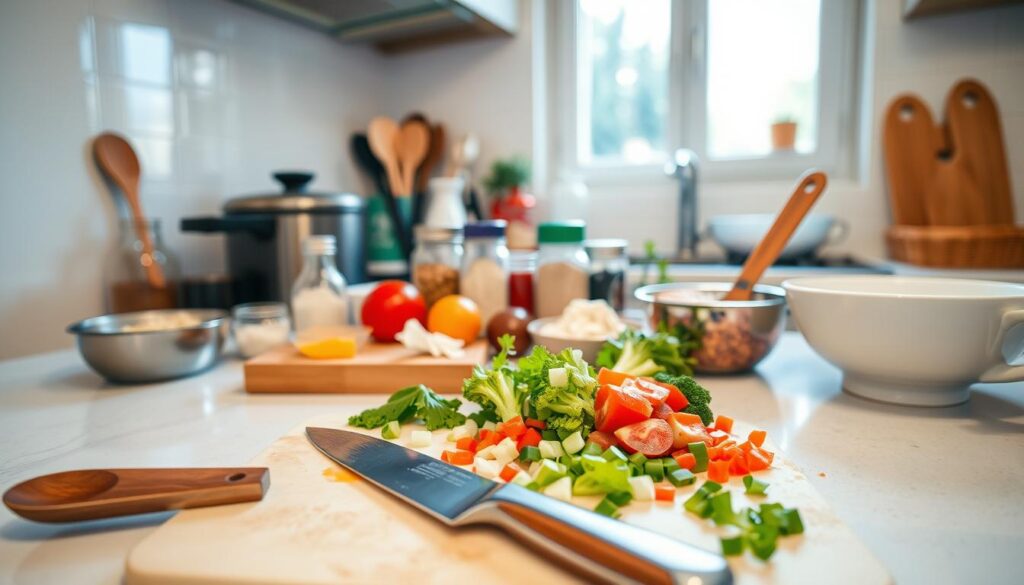
Having all your ingredients ready before cooking is key. This method, called “mise en place,” makes cooking faster. Also, choosing the right cooking methods for your recipe is important for the best results.
For recipes with many parts, start with the simplest ones. This builds momentum and makes cooking less stressful. The main goal is to enjoy cooking and share cultural food with others.
By following these preparation steps and tips, you’ll make delicious cultural dishes easily. Whether you’re experienced or new to cooking, cultural cuisine offers many exciting flavors and cooking methods to try.
Cooking Tools and Equipment
The secret to making cultural dishes is knowing the right cooking tools and kitchen equipment. The right tools make cooking easier and help you make dishes just right.
For example, a Mexican chorizo torta needs a good griddle or skillet. It’s key for cooking the chorizo right. Also, a sharp knife and cutting board are must-haves for chopping ingredients.
Understanding Kitchen Equipment
It’s important to know your kitchen equipment. Learn how to use your stove, oven, and other appliances well. For dishes that need special cooking, like steaming or frying, you need the right gear.
Also, keeping your kitchen equipment in good shape is key. Clean them often and store them right to avoid damage. This keeps them working well and safe.
By choosing the right cooking tools and knowing your kitchen equipment, you’ll make tasty cultural dishes. They’ll surely wow your guests.
Cooking Techniques from Different Cultures
Learning various cooking techniques is key to making international recipes right. Each culture has its own way of cooking, which is vital for traditional dishes.
Kolokithokeftedes, or zucchini fritters, are a favorite in Greece. They mix grated zucchini with herbs, feta, and spices, then fry until golden. This dish shows the grilling and frying techniques used in Mediterranean cooking.
To really get cultural cooking techniques, you need to know the basics of international recipes. Methods like roasting, sautéing, and steaming are used worldwide.
Roasting is common in Middle Eastern and European cooking. It enhances the taste of veggies and meats. Sautéing, quick and simple, keeps ingredients crunchy and colorful in many Asian dishes.
By using these cooking techniques with different ingredients, home cooks can make many authentic dishes. Whether it’s the light flavors from steaming or the deep flavors from slow roasting, mastering these methods is essential for exploring global cuisines.
Enhancing the Recipe with Cultural Sides
Cultural sides and ethnic dishes go hand in hand. They make each other better. Sides are key to a great meal, not just the main dish.
Casamiento, a Salvadoran dish, is a mix of rice and beans. It’s simple to make and goes well with many dishes. It’s a great side for many meals.
Exploring Cultural Side Dishes
Side dishes are more than just extras. They show off a culture’s traditions and history. For example, yuca frita, or fried cassava, is loved in Latin America. It’s a tasty side with grilled meats and local dishes.
“The way we eat is a reflection of our culture, and side dishes are a significant part of that reflection.”
Choosing the right sides can make a meal better. For instance, Jollof Rice is a favorite in West Africa. It’s served with grilled chicken or fish, adding flavor and texture.
In short, cultural sides are vital for enjoying ethnic dishes. By trying traditional sides, you can make meals more authentic. You also connect with the culture behind the recipes.
Presentation and Serving Suggestions
The way you present a dish can make it more enjoyable. Serving cultural recipes like Lemon Chicken Piccata with care can make it more appealing.
Enhancing Visual Appeal
To make the dish look better, use garnishes and accompaniments from the culture it comes from. A sprinkle of fresh parsley or a lemon slice can add color and freshness.
Tips for Serving Cultural Recipes
Here are some valuable tips for serving cultural recipes:
- Use traditional serving dishes or utensils to add authenticity.
- Garnish with fresh herbs or ingredients native to the culture.
- Serve with accompaniments that complement the dish, such as rice, bread, or vegetables.
For Lemon Chicken Piccata, try it with garlic mashed potatoes or a green salad. This balances flavors and textures while keeping the dish true to its culture.
Creating an Immersive Experience
To make dining more immersive, think about the ambiance and company. Traditional music and decorations that reflect the culture can enhance the experience.
By focusing on these details, you can make a meal into a memorable cultural experience.
Sharing and Enjoying Your Cultural Meal
Cooking a cultural recipe is more than just making food. It’s about sharing a part of your heritage with others. When you make your own homemade Thai Red Curry Paste, you add a burst of flavor. This will surely impress your family and friends.
Sharing Cultural Recipes with Others
Sharing cultural meals brings people together and creates lasting memories. You can share your cultural recipes by hosting dinner parties or teaching cooking classes. Enjoying cultural meals is a sensory experience. It’s about exploring new flavors, aromas, and traditions.
By sharing and enjoying cultural meals, you preserve your cultural heritage. You also create new memories with those around you. So, share your favorite cultural recipes and enjoy the joy of cooking and sharing meals together.