
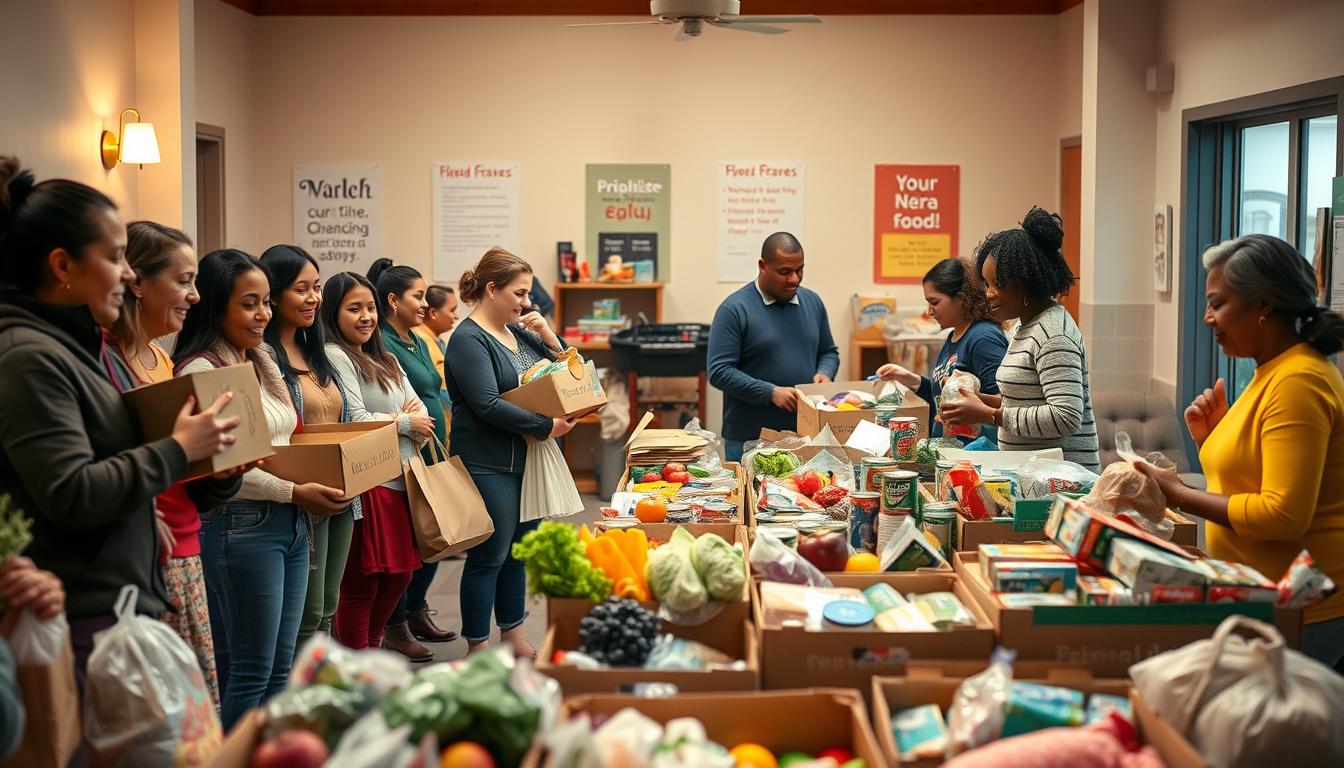
In the United States, a staggering 42 million people, including 1 out of every 6 children, may face food insecurity. This was reported by Feeding America in 2021. It shows how vital it is to help families in need with food.
Starting a food drive is a great way to help. It brings communities together to support those who are struggling. Every item, from cans to bags, makes a big difference.
Understanding the value of food drives helps us tackle food insecurity. Together, we can ensure a future where everyone has enough to eat.
Understanding the Need for Food Drives
To understand the need for food drives, we must look at food insecurity in the U.S. today.
The COVID-19 pandemic has made things worse. Many families now struggle to get enough nutritious food. This has led to a big increase in demand at food banks and pantries.
Millions of Americans are facing food insecurity. Some families have to choose between food and other important expenses. This is really tough for kids, the elderly, and those with low incomes.
The call for hunger relief is urgent. Food drives are key in helping communities support those in need.
Donating to food banks and joining food drives can really help. It makes a big difference in the lives of those struggling with food insecurity.
Food drives also bring attention to the need for lasting solutions to food insecurity.
As we go forward, supporting food banks and hunger relief efforts is vital. We must keep helping those in need.
How to Organize a Successful Food Drive
Organizing a food drive is all about planning and teamwork. It starts with setting goals and getting volunteers on board. This task needs careful thought and action.
First, understand the community’s needs. Know who you’re helping and what food they need most. Setting clear goals and objectives is key at this stage.
Setting Clear Goals and Objectives
Clear goals guide your planning and keep everyone focused. Think about what you want to achieve. Do you aim to collect a lot of food or get more volunteers? Establishing measurable objectives keeps you motivated.
After setting goals, plan the logistics. Decide on the drive’s length, where to drop off donations, and how to promote it. Good promotion is essential. Use social media and local business partnerships to spread the word.
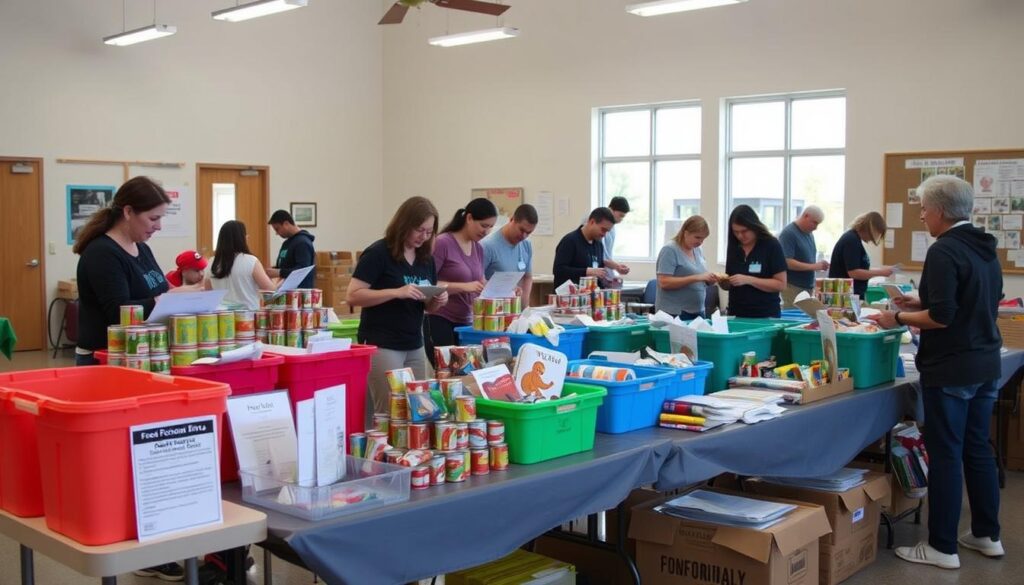
Getting volunteers is vital. They help sort donations and promote the event. By involving the community, you build a sense of purpose and increase success.
In summary, a successful food drive needs careful planning, clear goals, and community involvement. Follow these steps to help those in need.
Engaging Your Community
Building a strong community support system is key for a food drive’s success. Local businesses, schools, and organizations are essential in this effort.
Hosting local events is a great way to get people involved. Events like charity runs, bake sales, or food festivals raise awareness. They also encourage community members to join the food drive.
Using social media is another effective strategy. It helps promote the food drive and boosts local engagement. By creating engaging content, you can attract more donors.
Working with local organizations and businesses can also increase the drive’s impact. These partnerships help collect donations and spread the word about the cause.
By using these strategies, a food drive can get a lot of community support. This ensures its success and helps those in need.
Effective Donation Strategies
Creating effective donation strategies is key for food drives and hunger relief. A good plan makes sure the right items are collected and given to those who need them.
Food drives can accept many types of donations. This includes non-perishable food items, fresh produce, and personal care products. Non-perishable foods like canned goods and dried fruits are great because they last a long time and are nutritious.
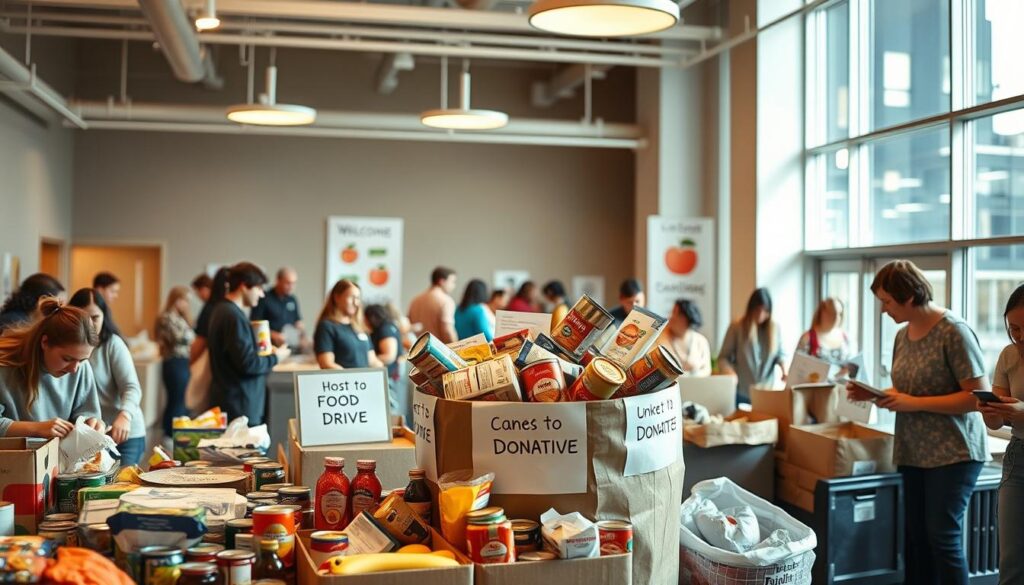
Fresh produce adds a lot of nutritional value, but it must be handled and given out carefully because it spoils quickly. Personal care items, like toiletries and hygiene products, are also important. They help meet the personal needs of recipients, boosting their dignity and happiness.
The effects of these donations are wide-ranging. Nourishing meals help keep family members healthy and full of energy. Personal care items improve their overall well-being and self-respect.
To make donation strategies work best, it’s important to know what the community needs. This means looking at the families’ demographics, their dietary needs, and any challenges they face.
By customizing donation strategies for these needs, food drives can be more effective. This helps in providing real hunger relief and support to families.
Inspiring Volunteers to Help
The spirit of volunteerism is key to food drives’ success. It brings communities together to help those in need. Volunteers are vital, sorting donations, distributing food, and spreading the word.
To get volunteers excited, show them how their work helps. Share stories of families helped by food drives. Highlighting volunteers’ role in achieving goals motivates others to join.
Getting community volunteers involved does more than help the cause. It builds community spirit. Holding events to thank volunteers or publicizing their work boosts morale and encourages more to help.
Good volunteer engagement means clear instructions, training, and making volunteers feel important. A positive, supportive atmosphere inspires volunteers to actively participate in the food drive.
In the end, a food drive’s success depends on its volunteers. By inspiring and engaging them, you can greatly improve the lives of families in need.
Creating a Welcoming Environment
The success of food banks and pantries often depends on their ability to create a welcoming space. A welcoming environment is key to making sure recipients feel dignified and respected.
Family support programs and nutrition assistance initiatives greatly benefit from a respectful atmosphere. This can be achieved by keeping the physical space clean, organized, and comfortable.

Best practices include training volunteers to be empathetic and understanding. Also, provide clear information about the services offered. Make sure recipients have access to the resources they need quickly.
By focusing on creating a welcoming environment, food banks can improve the experience for families in need. This makes them feel valued and supported.
A welcoming environment not only shows the values of the organization. It also contributes to the well-being of the community it serves.
Gathering and Sorting Donations
Gathering and sorting donations is key to helping those in need. A good food drive logistics plan is essential. It helps manage the donations efficiently.
To start, a system for collecting donations is set up. This includes drop-off spots, community events, and working with local businesses. After collecting, donations are sorted by type, expiration date, and nutritional value.
Efficient donation sorting is vital. It makes sure donations are good to use and reach those who need them most. Food items are sorted into groups like canned goods and grains. They are then sorted again by condition and expiration dates.
A strong system for gathering and sorting donations boosts a food drive’s food distribution efforts. This helps support families in need more effectively.
Distributing Food to Families
Fair distribution of food is key when helping families. It’s important for food banks and pantries to make sure everyone gets the help they need.
They must understand the different needs of families. This means looking at family size, dietary restrictions, and nutritional needs.
Key Considerations for Fair Distribution:
- Assessing family needs and sizes
- Providing a variety of food options to cater to different dietary needs
- Ensuring that the distribution process is transparent and fair
Food banks and pantries can really help families by being fair. It’s not just about giving food. It’s about giving nutrition assistance that helps the community thrive.
They also need to work with the community. This helps them understand and meet family needs better.
Celebrating Success and Impact
Celebrating a food drive’s success is more than just numbers. It’s about the lives changed. It’s the smiles on children’s faces when they eat a full meal. It’s the relief for families struggling to make ends meet. And it’s the stronger bonds in the community.
Success Stories from past drives show the power of community. For example, a local drive collected over 10,000 pounds of food in a month. This was thanks to volunteers and donors’ generosity. Such efforts not only help but also bring people together.
Measuring a food drive’s success is more than counting food. It’s about the food drive impact on families and their well-being. Sharing success stories inspires more community engagement and involvement.
The success of a food drive shows the community’s effort. By celebrating, we honor volunteers and donors. We also show the real difference made in people’s lives.
Sustaining Long-Term Support
Supporting families in need for the long haul needs a plan that gets the community involved. A community leader said, “The key to long-term success lies in building a strong, engaged community that cares.”
Community engagement is key for food programs to last. Events like food drives and volunteer days keep people involved. It’s not just about the food; it’s about building relationships and trust within the community.
“Community support is the backbone of our food assistance programs. By working together, we can make a real difference in the lives of families in need.”
To keep support going, having a solid plan is vital. This means setting goals, tracking progress, and adjusting as needed. Flexibility and responsiveness to community needs are key to sustaining support over time.
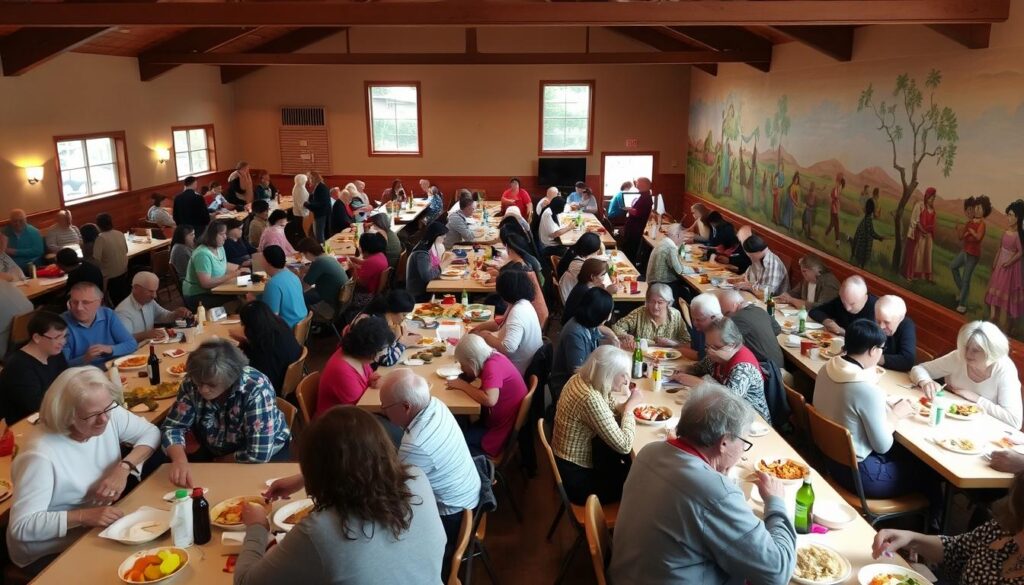
Also, food assistance programs should be able to change with the community’s needs. This could mean adding new types of help or reaching more people.
By focusing on community engagement and strategic planning, food programs can offer lasting support. This makes a big difference in the lives of families in need.
Planning Future Food Drives
As communities keep helping families in need, planning future food drives is key. Organizers can use past successes and lessons to improve their efforts. This way, they can have a bigger impact.
Good planning means understanding the community’s needs, setting goals, and getting volunteers. This approach helps keep food drives going strong. It also ensures they keep helping families.
Getting the community involved is critical for food drives. By building a strong sense of community, organizers can get more people to help out. This support is essential for the success of future drives.
By focusing on planning and community involvement, future food drives can keep helping families in need. This makes a real difference in their lives.